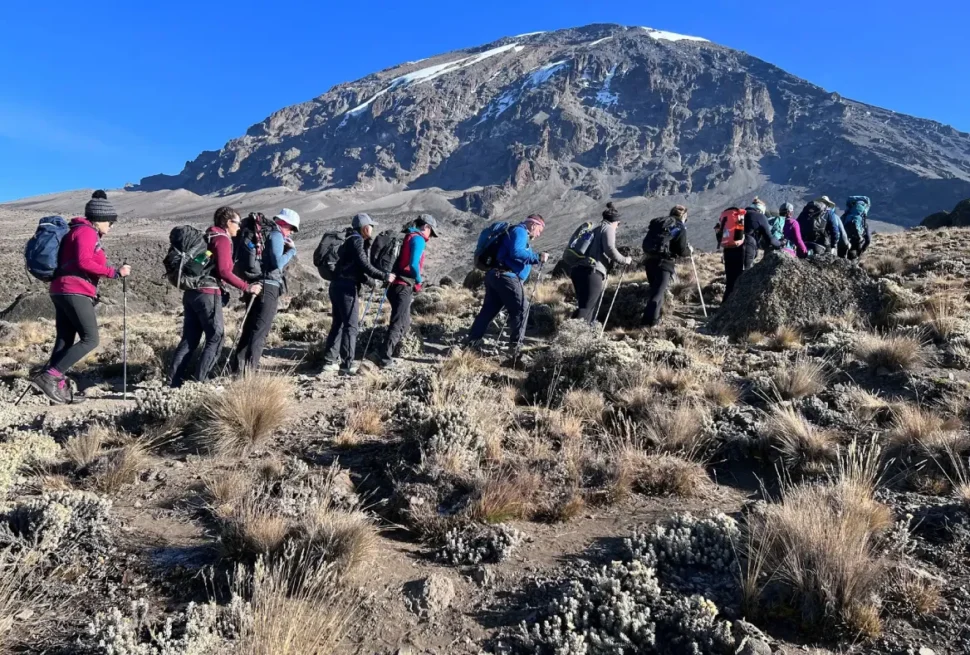


Tanzania Hiking Guide: Essential Gear for Kilimanjaro Beginners
Climbing Mount Kilimanjaro is a life-changing experience, but for first-time hikers, preparation is key. The mountain presents a variety of climates, from warm rainforest at lower altitudes to freezing alpine conditions near the summit. Having the right gear is essential for comfort, safety, and a successful ascent. Beginners often underestimate the importance of proper equipment, but choosing the right items can make the difference between a challenging climb and a rewarding adventure. This guide outlines the essential gear for Kilimanjaro beginners.
Clothing for All Climate Zones
Layering is the foundation of clothing for Kilimanjaro. Beginners should prepare for the wide range of temperatures encountered during the climb. A moisture-wicking base layer keeps sweat away from the skin, while an insulating mid-layer, such as fleece or down, provides warmth. A waterproof and windproof outer layer protects against rain, wind, and snow. Trekking pants, thermal leggings, hats, gloves, and neck protection complete the clothing essentials. Avoid cotton, as it retains moisture and can increase the risk of cold exposure.
Footwear and Socks
Proper footwear is critical for preventing injuries and discomfort. Beginners should invest in waterproof hiking boots with good ankle support and thick, comfortable soles. Breaking in boots before the climb is essential to avoid blisters. Hiking socks that wick moisture and provide cushioning are equally important. Some climbers choose liner socks beneath thicker hiking socks to further prevent friction and enhance comfort during long trekking days.
Sleeping Gear
A quality sleeping bag rated for cold temperatures is essential for rest at higher camps. Summit night temperatures can fall well below freezing, so an insulated sleeping bag and liner provide warmth and comfort. Using a sleeping mat adds insulation from the cold ground and improves overall sleep quality. Adequate rest supports energy, endurance, and acclimatization at high altitudes.
Backpacks and Daypacks
A lightweight and durable daypack is necessary for carrying personal items during trekking days. Essentials like water, snacks, extra clothing layers, a camera, and a first aid kit should fit comfortably in a 25–35 liter backpack. Backpacks with padded shoulder straps, sternum and hip belts, and ventilated back panels provide better comfort and weight distribution. Properly fitted packs reduce fatigue and help maintain balance on steep or uneven terrain.
Trekking Poles
Trekking poles offer stability and reduce strain on the knees and legs during long ascents and descents. Beginners benefit from using poles to maintain a steady pace and improve endurance. Adjustable poles allow customization for different terrain and height, making them a versatile tool throughout the climb.
Hydration and Nutrition
Staying hydrated is essential at high altitude. Beginners should carry reusable water bottles or a hydration bladder, along with electrolyte powders to replace lost minerals. Energy snacks, such as protein bars, nuts, and dried fruit, provide quick fuel during long trekking days. Practicing hydration and nutrition during training hikes helps the body adjust to physical demands and altitude.
Personal and Safety Items
First-time climbers should bring essential personal and safety items. A headlamp with extra batteries, sunglasses with UV protection, sunscreen, and lip balm protect against the sun and cold. A basic first aid kit and personal medications ensure readiness for minor injuries or ailments. Carrying identification, travel documents, and emergency contacts is also crucial.
Optional but Useful Gear
Some additional items improve comfort and convenience. Hand warmers, gaiters, and a camera to capture memories enhance the overall experience. Lightweight rain covers for backpacks protect gear in wet conditions, and a sleeping bag liner can add extra warmth on summit night.
Final Thoughts
For beginners, selecting the right gear for Kilimanjaro is a critical part of climb preparation. Clothing, footwear, sleeping gear, backpacks, trekking poles, hydration supplies, and personal items all contribute to comfort, safety, and success. Properly organized gear ensures that climbers can focus on pacing, acclimatization, and enjoying the journey. By investing in essential equipment and preparing carefully, first-time hikers can confidently take on Mount Kilimanjaro and experience the reward of reaching Africa’s highest peak.