
Understanding elevation changes on the Mount Meru trek is essential for anyone planning to hike Tanzania’s second-highest mountain. Rising to 4,566 meters, Mount Meru may be shorter than Mount Kilimanjaro, but its elevation gain is still significant and requires proper preparation, pacing, and acclimatization.
This guide explains how elevation changes day by day on Mount Meru, how they affect your body, and why the route is designed the way it is.
Why Elevation Matters on Mount Meru
As elevation increases, oxygen levels decrease. This affects:
- Breathing efficiency
- Energy levels
- Sleep quality
- Overall trekking performance
Managing elevation gain correctly is the key to preventing altitude sickness and ensuring a safe, enjoyable climb.
Mount Meru’s official Momella Route is carefully designed to balance elevation gain with acclimatization opportunities.
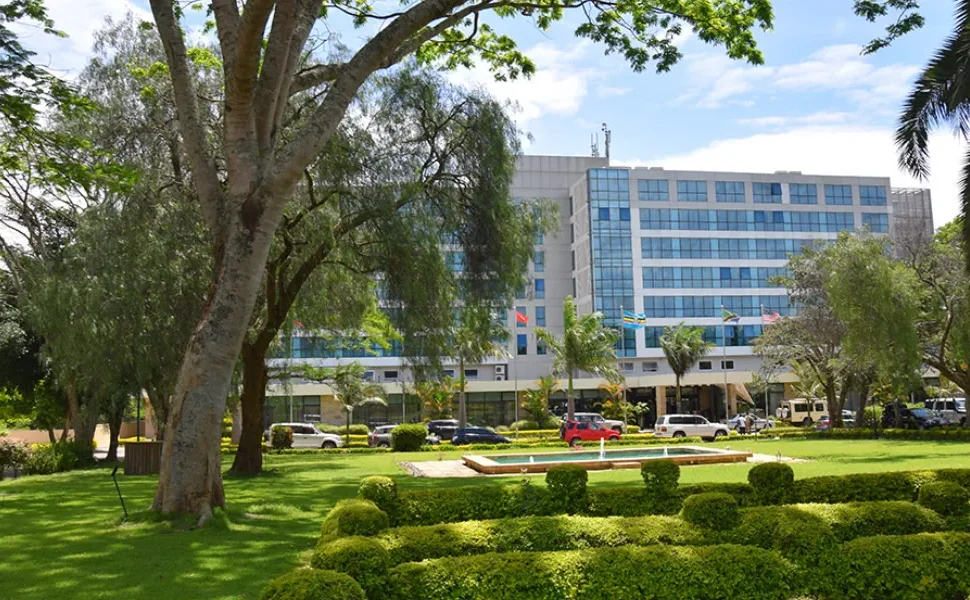
Starting Elevation: Momella Gate
- Starting point: Approximately 1,500 meters
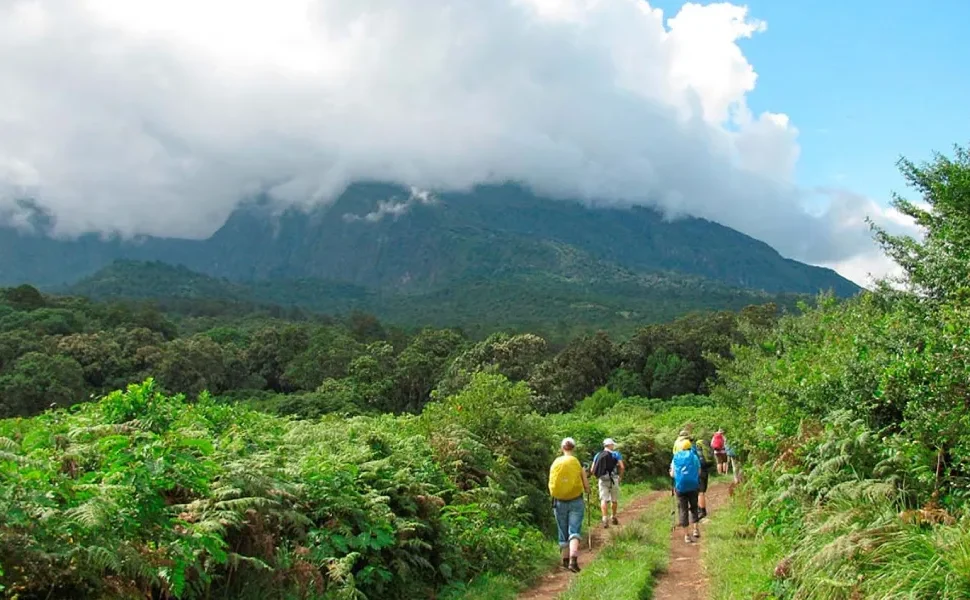
- Terrain: Open grassland and forest
At this altitude, most hikers feel comfortable. The lower elevation allows your body to warm up gradually before entering steeper terrain. Wildlife sightings are common, and the pace is intentionally slow.
Day 1 Elevation Gain: Momella Gate to Miriakamba Hut
- Ending elevation: About 2,500 meters
- Elevation gain: ~1,000 meters
This is the first major elevation increase. While the climb is steady, the trail remains manageable. Most hikers experience:
- Slight breathlessness
- Increased heart rate
This is normal and part of the acclimatization process. Hydration and slow pacing are essential.
Day 2 Elevation Gain: Miriakamba Hut to Saddle Hut
- Ending elevation: Around 3,500 meters
- Elevation gain: ~1,000 meters
This section introduces thinner air and cooler temperatures. The forest gradually gives way to alpine vegetation. Some hikers may notice:
- Mild headaches
- Reduced appetite
- Slower walking pace
Guides monitor hikers closely during this stage, as altitude symptoms may begin to appear.
Optional Acclimatization Gain: Little Meru Hike
On a 4-day Mount Meru itinerary, hikers often take an acclimatization hike toward Little Meru.
- Maximum elevation: Approximately 3,800–4,000 meters
- Sleeping elevation: Remains at 3,500 meters
This “climb high, sleep low” approach helps the body adapt more effectively and significantly improves summit success rates.
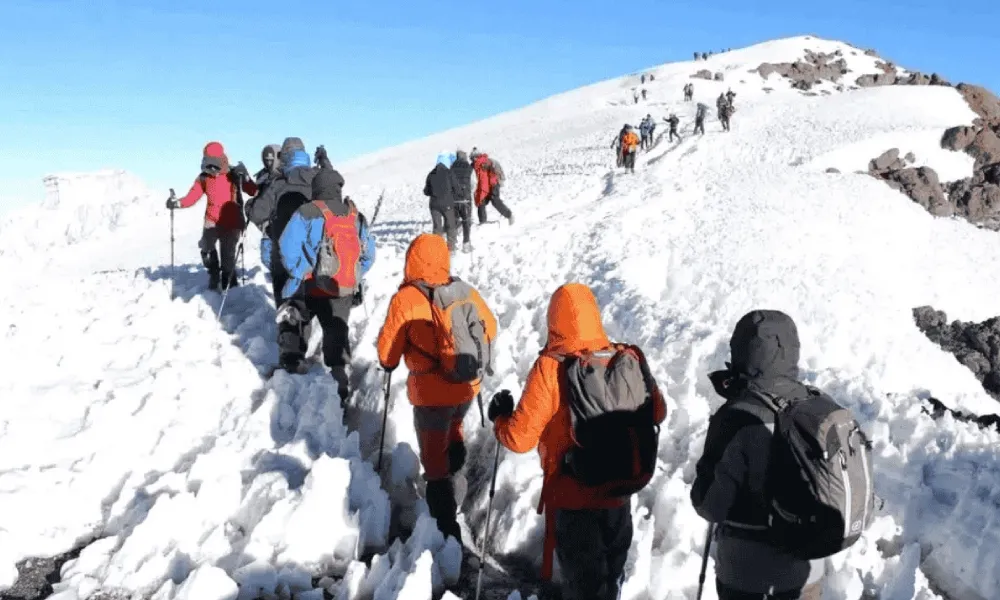
Summit Day Elevation Gain: Saddle Hut to Socialist Peak
- Summit elevation: 4,566 meters
- Elevation gain: ~1,000 meters
Summit day begins around midnight. The ascent follows a narrow volcanic ridge with steep sections. This is where elevation has the greatest impact:
- Breathing becomes more difficult
- Movement slows
- Mental focus is critical
Reaching the summit is a major achievement, but descending safely is equally important.
Total Elevation Gain and Descent
Over the full trek:
- Total elevation gain: Approximately 3,000 meters
- Total descent: Similar or greater on summit day
The descent is long and demanding, making proper pacing and trekking poles very helpful.
How Elevation Changes Affect Acclimatization
Mount Meru’s elevation profile is ideal for acclimatization because:
- Elevation gain is spread across multiple days
- Sleeping altitude increases gradually
- Optional acclimatization hikes improve adaptation
This is why Mount Meru is often recommended as preparation for Mount Kilimanjaro.
3 Day vs 4 Day Elevation Differences
- 3-day route: Faster elevation gain, higher physical demand
- 4-day route: Slower ascent, better acclimatization, higher success rate
Most hikers benefit from the 4-day itinerary, especially first-time high-altitude trekkers.
Safety Tips for Managing Elevation Changes
- Walk slowly (“pole pole”)
- Drink 3–4 liters of water daily
- Eat regular meals
- Report altitude symptoms early
- Follow your guide’s instructions
Never ignore signs of altitude sickness.
Trek With Confidence With Tanzania Hiking
Tanzania Hiking designs Mount Meru treks with proper elevation management, professional guides, and strict safety standards to maximize comfort and success.
- Email: info@tanzaniahiking.com
- WhatsApp: +255 752 213 715 / +255 754 557 877
Request a Quote for Your Mount Meru Trek
Planning your Mount Meru climb?
Fill out the quote request form below, and our team will create a custom itinerary that matches your fitness level, schedule, and acclimatization needs.