

Tanzania Hiking Guide: Common Mistakes First-Time Kilimanjaro Climbers Make
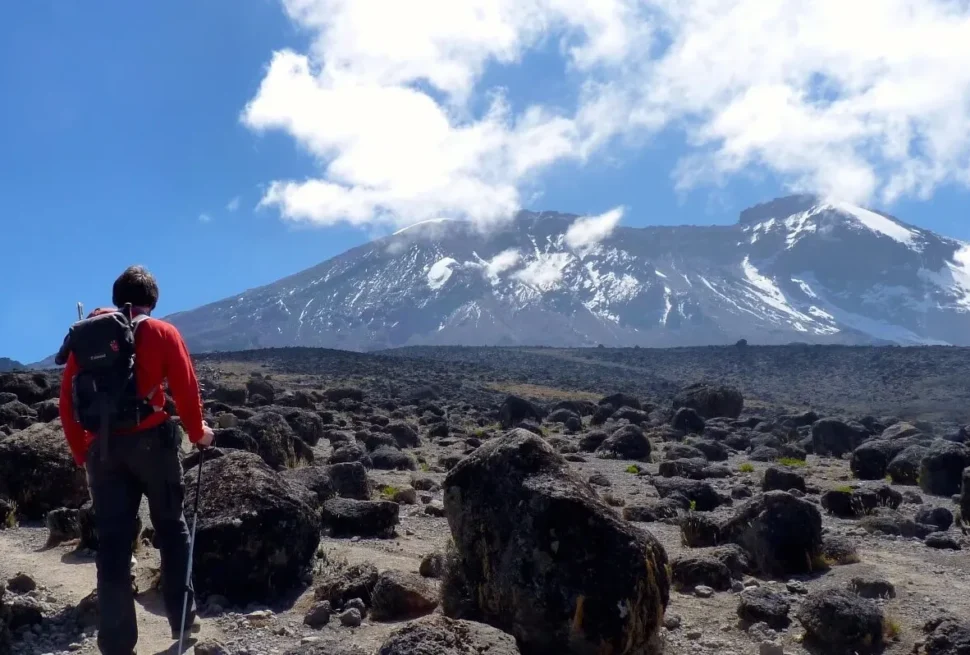
Climbing Mount Kilimanjaro is a dream adventure for many hikers visiting Tanzania. At 5,895 meters, it is Africa’s highest peak and a non-technical climb that attracts thousands of first-time climbers each year. Despite its popularity, many newcomers make mistakes that can affect their comfort, safety, and chances of reaching the summit. Understanding these common pitfalls helps first-time hikers prepare better and enjoy a successful climb.
Underestimating the Physical Challenge
One of the most common mistakes is underestimating the physical demands of the trek. Even though Kilimanjaro does not require technical climbing skills, the mountain tests endurance, strength, and stamina. First-time climbers sometimes assume casual fitness is enough and do not train adequately.
To avoid this mistake, hikers should engage in cardiovascular exercises, strength training, and practice hikes several weeks before the climb. Preparing the body for long trekking days and steep ascents increases comfort and reduces fatigue.
Ignoring Altitude Acclimatization
Altitude sickness is one of the biggest risks on Kilimanjaro, yet first-time climbers often ignore the importance of gradual acclimatization. Ascending too quickly, choosing a short route, or skipping rest days can lead to headaches, nausea, dizziness, and in severe cases, life-threatening conditions.
Beginners should select longer itineraries that allow the body to adapt to decreasing oxygen levels and follow their guide’s advice on pacing and hydration. Proper acclimatization greatly increases the chances of a successful summit.
Overpacking or Underpacking Gear
Packing mistakes are another frequent issue. Some climbers carry too much unnecessary gear, which adds weight and slows progress, while others fail to bring essential items like thermal layers, proper hiking boots, or a good sleeping bag.
Testing gear before the climb and following a checklist ensures hikers have everything they need without carrying excess weight. Comfortable clothing, reliable footwear, and trekking poles can make a significant difference during long trekking days.
Poor Hydration and Nutrition
Many first-time climbers underestimate the importance of hydration and proper nutrition. Dehydration can worsen fatigue and increase the risk of altitude sickness. Skipping meals or relying on insufficient snacks also reduces energy levels during demanding treks.
Hikers should drink water consistently, include electrolyte drinks, and carry high-energy snacks. Practicing nutrition and hydration strategies during training helps the body adjust to the demands of the climb.
Rushing the Climb
Excitement often leads beginners to rush to the summit. Moving too quickly increases fatigue, decreases oxygen efficiency, and raises the risk of altitude sickness. First-time climbers may also underestimate the time needed to complete each day’s distance, leading to exhaustion.
It is important to maintain a steady pace, take regular breaks, and follow the guide’s advice. Slow and steady progress improves endurance, safety, and overall experience.
Mental Unpreparedness
Climbing Kilimanjaro is as much a mental challenge as a physical one. First-time hikers often underestimate the mental resilience required for long trekking days, cold temperatures, and early summit pushes.
Mental preparation, visualization, and mindfulness techniques help hikers stay motivated and focused. Breaking the climb into smaller goals and celebrating daily achievements can keep morale high.
Neglecting Logistics and Planning
Another common mistake is neglecting proper planning. Some climbers book last-minute trips, fail to confirm park permits, or overlook travel insurance and medical preparation. These oversights can cause unnecessary stress and disrupt the trekking experience.
Advanced planning ensures smooth transfers, proper accommodations, and clarity about included services and costs. A well-organized itinerary allows climbers to focus on the journey and enjoy the adventure.
Final Thoughts
First-time Kilimanjaro climbers face many challenges, but avoiding common mistakes makes the trek more enjoyable and increases the chances of reaching the summit. Physical preparation, proper acclimatization, packing essential gear, maintaining hydration and nutrition, pacing the climb, mental readiness, and thorough planning are key to a safe and successful experience. By learning from these pitfalls, Tanzania hiking enthusiasts can confidently take on Africa’s highest peak and make the journey unforgettable.