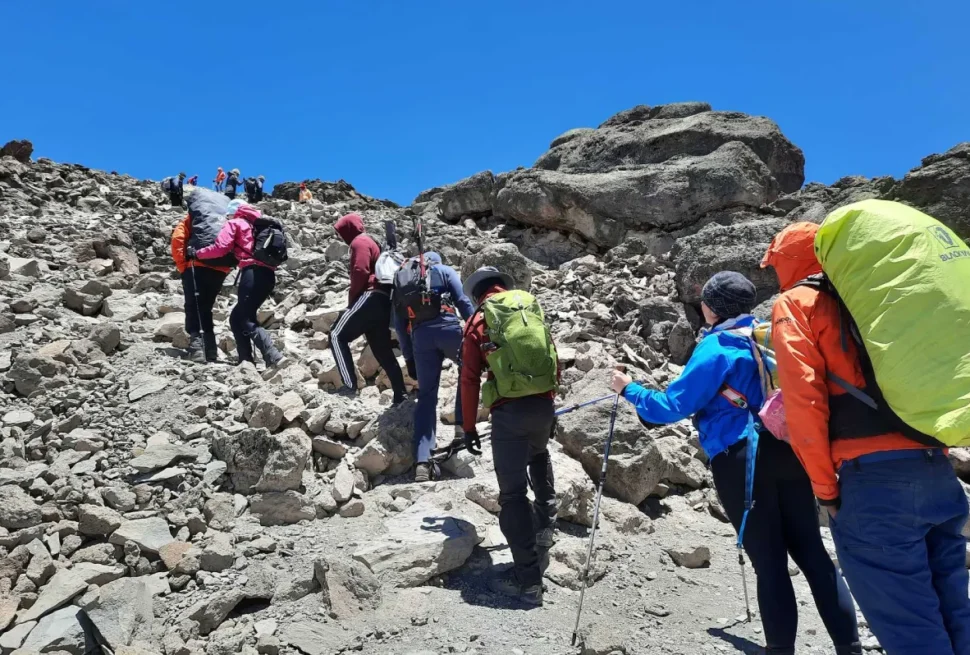


Climbing Kilimanjaro Solo vs Guided: Which Option is Right for You?
Mount Kilimanjaro is one of the world’s most accessible high-altitude peaks, attracting thousands of adventurers each year. When planning a climb, a key decision is whether to climb solo or with a guided tour. Both options have pros and cons, but understanding the differences is essential for safety, comfort, and summit success.
Solo Climbing Kilimanjaro
Some experienced trekkers may consider climbing Kilimanjaro solo, meaning without professional guides or porters. While technically possible, solo climbing is highly discouraged by Kilimanjaro National Park authorities.
Pros of Solo Climbing
- Full independence and control over your itinerary
- Personal pacing and schedule
- Fewer people on the trail if done outside group tours
Cons of Solo Climbing
- Safety risks: Altitude sickness, injuries, or sudden illness may require immediate assistance
- Legal restrictions: Kilimanjaro National Park mandates licensed guides for all climbers
- Logistical challenges: Arranging permits, accommodation, food, and camping equipment can be complicated
- Limited support: No porters to carry gear or provide emergency assistance
Solo climbs may appeal to highly experienced hikers familiar with high-altitude trekking, but they carry significant risks.
Guided Climbing Kilimanjaro
The vast majority of climbers choose guided climbs. Professional guides and support teams provide safety, expertise, and logistical support, making the climb more accessible and enjoyable.
Pros of Guided Climbing
- Safety: Guides monitor for altitude sickness, manage pacing, and provide first aid
- Expert knowledge: Guides share insights about the mountain, wildlife, and culture
- Logistical support: Porters carry gear, camp setup is managed, and meals are prepared
- Higher summit success: Proper acclimatization and support increase your chances of reaching Uhuru Peak
Cons of Guided Climbing
- Less personal independence due to structured pace
- Slightly higher cost due to guide and porter fees
Despite these minor drawbacks, guided climbs are overwhelmingly recommended for first-time climbers and even experienced trekkers due to safety and legal requirements.
Safety Considerations: Solo vs Guided
Altitude sickness is the biggest risk on Kilimanjaro. Guided teams monitor oxygen saturation, hydration, and physical symptoms, intervening if conditions worsen. Without a guide, solo climbers must rely solely on self-monitoring, which increases risk.
Weather and trail conditions can also be unpredictable. Guides anticipate storms, trail hazards, and health emergencies, ensuring rapid response and evacuation if needed.
Cost Comparison
While guided climbs are more expensive than attempting a solo trek, the value lies in safety, logistics, and increased summit success. Solo climbers may save on guide fees but often incur higher stress, risk, and potential emergency costs.
Why Guided Climbs Are Recommended
The Kilimanjaro National Park requires all climbers to be accompanied by licensed guides. Guided climbs provide:
- Personalized pacing
- Acclimatization strategies
- Experienced leadership in emergencies
- Gear, food, and camping logistics
At Tanzania Hiking, our guides are trained to maximize safety, monitor for altitude sickness, and ensure an enjoyable experience for every climber.
Book Your Guided Kilimanjaro Climb
Choosing a guided climb with Tanzania Hiking ensures you focus on the adventure while we handle safety and logistics. For bookings and inquiries, contact
- info@tanzaniahiking.com
- WhatsApp +255 752213715 / +255 754557877.
Request a Quote for Your Kilimanjaro Adventure
Below this page, you’ll find a request-a-quote form. Share your preferred dates, route, and group size, and our team will prepare a customized itinerary and detailed pricing.