
Climbing Kilimanjaro in January: Weather, Conditions, and What to Expect
Climbing Kilimanjaro in January is an excellent choice for trekkers looking for good weather, fewer crowds, and high summit success rates. January falls within one of the mountain’s short dry seasons, offering generally clear skies, moderate temperatures, and stable trail conditions. For many climbers, this month provides a perfect balance between comfort and adventure.
If you are planning a Mount Kilimanjaro climb, understanding what January offers can help you prepare properly and make the most of your experience.
January Weather on Mount Kilimanjaro
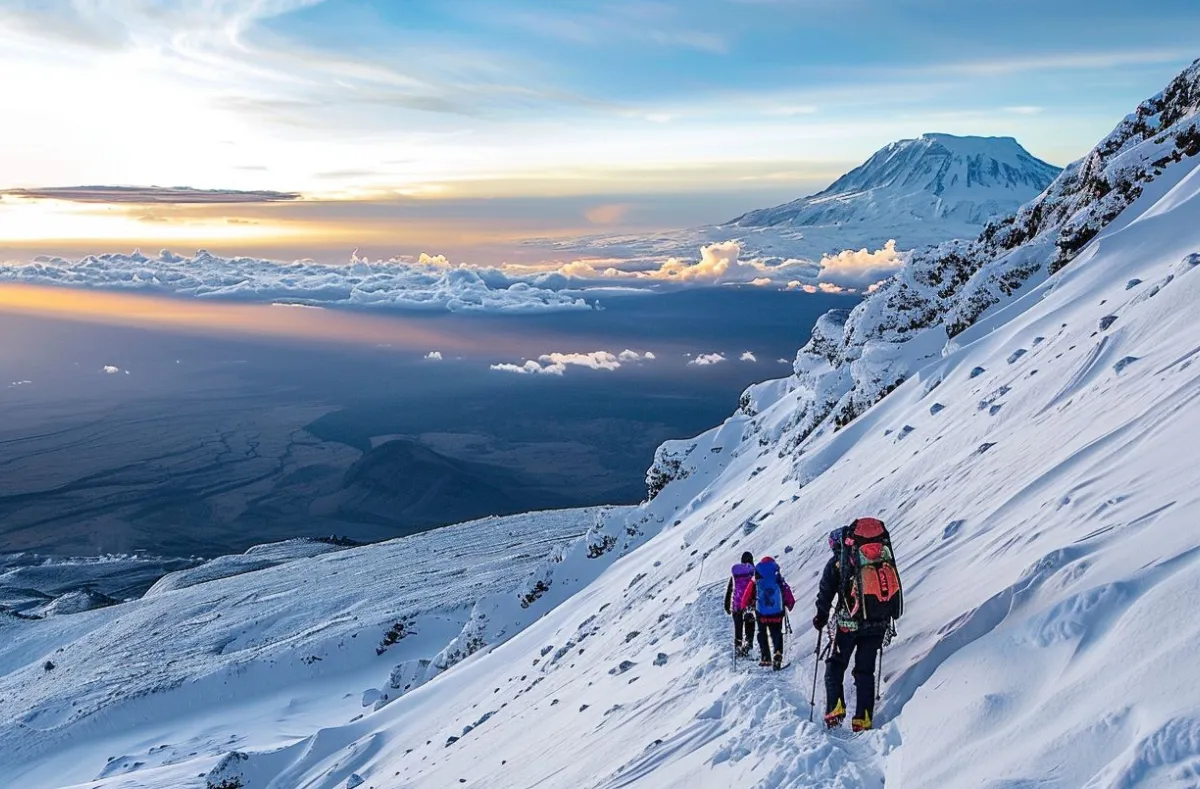
January weather on Mount Kilimanjaro is mostly dry, with occasional light showers, especially in the rainforest zone. Daytime temperatures at lower elevations are warm, while higher altitudes experience cooler conditions. As you approach the summit, temperatures can drop well below freezing, particularly during early morning summit attempts.
Visibility is often excellent in January, making it a great month for photography and enjoying panoramic views above the cloud line. Snow may still be present near Uhuru Peak, adding to the beauty of the climb without creating extreme conditions.
Trail Conditions in January
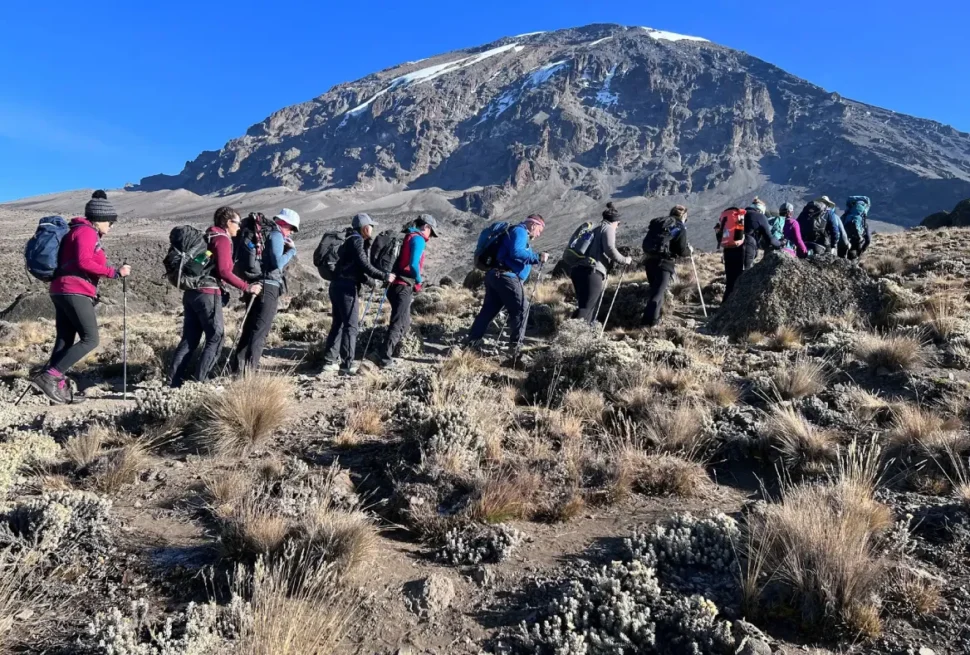
Trails are generally dry and in good condition during January. Compared to the long rainy season, there is far less mud and fewer slippery sections, making hiking more comfortable and safer. River crossings are manageable, and campsites are usually dry.
Because January is not as busy as the peak months of July and August, climbers often enjoy a quieter, more relaxed experience on the mountain. This allows guides to maintain a steady pace and focus on acclimatization.
Best Routes for January Climbs
Most Kilimanjaro routes perform well in January, but some are particularly well suited to the season. Routes with good acclimatization profiles and scenic variety are popular choices during this time.
Longer routes are especially recommended, as they improve your chances of reaching the summit by allowing your body more time to adjust to altitude. January’s stable weather supports multi-day climbs with fewer disruptions.
Advantages of Climbing Kilimanjaro in January
- Favorable weather with low rainfall
- Clear skies and excellent visibility
- Fewer climbers compared to peak season
- Comfortable daytime hiking temperatures
- High summit success rates
January is also a great time for climbers who prefer a less crowded mountain and a more personal trekking experience with their guide team.
Challenges to Consider
While January offers many advantages, climbers should still prepare for cold conditions at high altitude. Summit night can be extremely cold, and proper clothing is essential. Occasional rain showers may occur, so waterproof gear is still recommended.
Good physical preparation and proper acclimatization remain critical, regardless of the season.
What to Pack for a January Kilimanjaro Climb
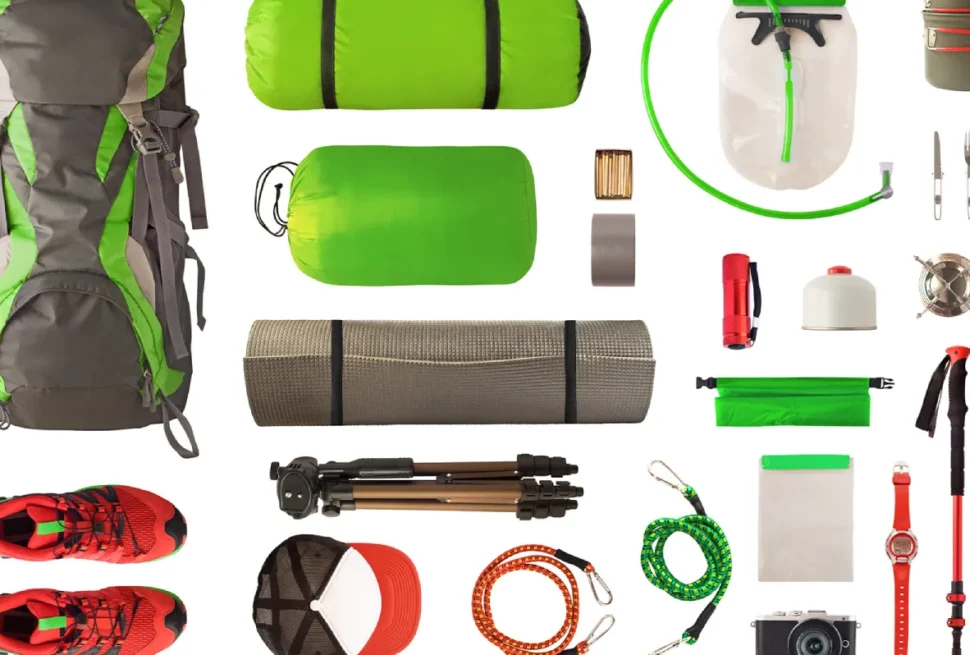
Packing correctly is key to a successful January climb. Essential items include layered clothing, insulated jackets for summit night, waterproof outer layers, warm gloves and hats, and sturdy hiking boots. Sun protection is also important, as January often brings strong sunlight during the day.
Your guide will provide detailed packing advice based on your chosen route and climb duration.
Plan Your January Kilimanjaro Climb with Tanzania Hiking
At Tanzania Hiking, we specialize in professionally guided Mount Kilimanjaro climbs throughout the year, including January departures. Our experienced local guides understand seasonal conditions and focus on safety, acclimatization, and summit success.
For bookings and inquiries, contact
- Email: info@tanzaniahiking.com
- WhatsApp +255 752213715 / +255 754557877.
Request a Quote for Your Kilimanjaro Climb
Below this page, you’ll find a simple request-a-quote form where you can submit your preferred travel dates, route, and group size.