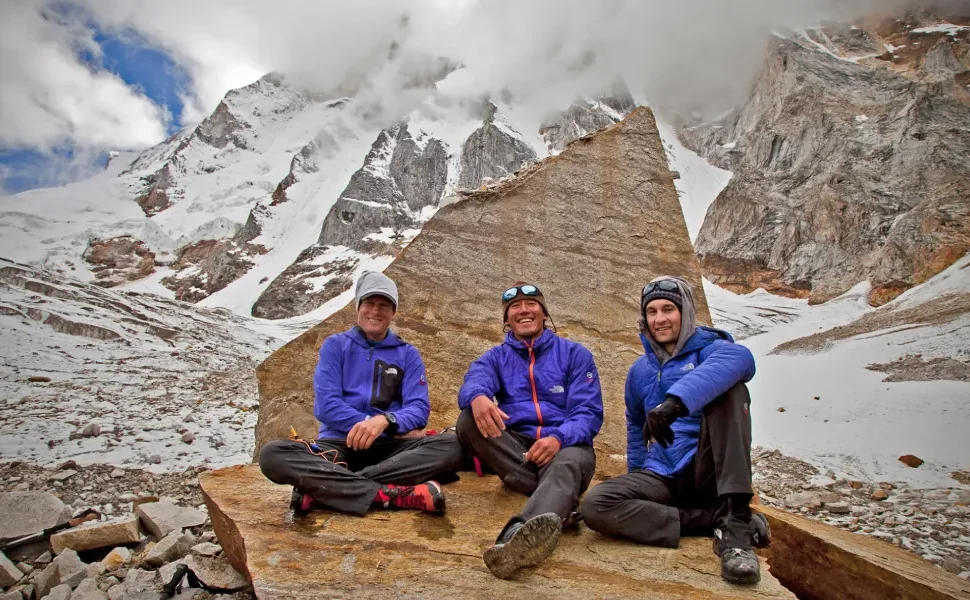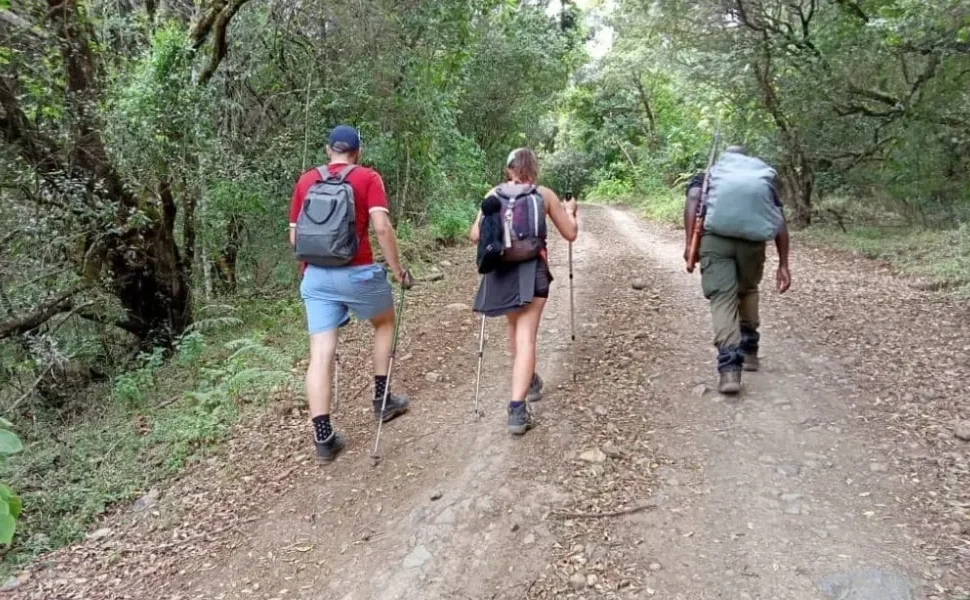

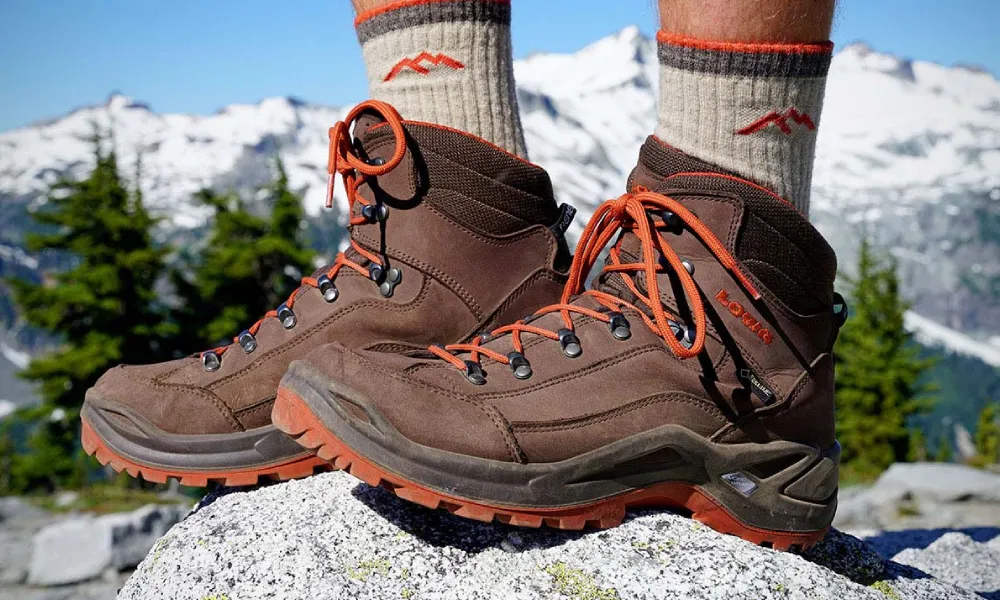
Choosing the right hiking boots for Mount Meru is one of the most important decisions you’ll make before your trek. Mount Meru Tanzania’s second-highest peak at 4,566 meters offers diverse terrain, including forest trails, rocky ridges, loose volcanic scree, and steep ascents. With weather that can shift from dry to rainy and temperatures dropping significantly at higher elevations, the right footwear keeps you safe, comfortable, and confident on every step of the journey.
This guide helps you understand what to look for in hiking boots and how to choose the best pair for your Mount Meru adventure.
Why Proper Hiking Boots Matter
The wrong boots can lead to:
- Blisters and foot pain
- Slips and unstable footing on uneven terrain
- Wet, cold feet in rainy or muddy sections
- Fatigue due to poor support
The right boots provide traction, stability, ankle support, and comfort especially during long summit days and steep descents.
Key Features to Look For
1. Ankle Support
Mount Meru’s terrain can be uneven and rocky, especially above Saddle Hut.
Choose boots with high ankle support to:
- Prevent sprains
- Reduce ankle fatigue
- Improve balance on narrow ridges
2. Sturdy Soles and Good Traction
A strong sole with deep lugs helps maintain grip on:
- Loose volcanic rock
- Muddy rain-soaked trails
- Steep ascents and descents
Look for Vibram®-style soles or equivalent tread patterns designed for mountain terrain.
3. Waterproof or Water-Resistant Material
Mount Meru’s weather can be unpredictable:
- Rain in montane forests
- Drizzle during the wet season
- Dewy ground at higher altitudes
Waterproof boots with breathable membranes (e.g., Gore-Tex) help keep feet dry without trapping sweat.
4. Comfort and Fit
Comfort is essential:
- Your boots should feel snug but not tight
- There should be room to wiggle toes
- Heel should feel secure
- No pressure points or sliding
Try boots with the socks you plan to wear on the trek to ensure a precise fit.
5. Weight and Break-In Period
Mount Meru requires long days of walking. Ideally:
- Choose light- to mid-weight boots (not heavy mountaineering boots)
- Break them in with multiple hikes before your trek
Never wear brand-new boots on summit day unbroken boots increase blister risk.
Boot Types to Consider
Leather Hiking Boots
- Durable and supportive
- Excellent ankle protection
- May require longer break-in time
Synthetic Boots
- Lightweight and breathable
- Quick to dry
- Often more comfortable out of the box
Waterproof vs. Breathable
Waterproof boots are ideal for rainy season (March–May, November) and wet trails. Breathable boots can be great during dry seasons (January–February, June–October) if paired with gaiters.
Socks Matter Too
Your sock choice can enhance boot performance:
- Merino wool or synthetic hiking socks (no cotton)
- Use double-layer socks if you blister easily
- Carry an extra pair in your daypack
Good socks reduce friction, wick moisture, and provide extra cushioning.
Preparing Your Boots Before the Trek
- Break them in gradually with day hikes
- Wear them with your trekking socks
- Adjust lacing technique to prevent heel slip
- Treat leather boots with waterproof conditioner
This prep ensures comfort and confidence, especially during summit night and descent.
Book Your Mount Meru Trek With Tanzania Hiking
Tanzania Hiking specializes in expertly guided Mount Meru treks with professional support, gear advice, and personalized itineraries. The right hiking boots are critical and we help you prepare for success every step of the way.
- Email: info@tanzaniahiking.com
- WhatsApp: +255 752 213 715 / +255 754 557 877
Request a Quote for Your Mount Meru Adventure
Ready to plan your Mount Meru trek from gear to summit day?
Fill out the quote request form below, and our team will create a customised trekking plan based on your travel dates, fitness level, and hiking experience.