
Tanzania Hiking Guide: Cheap versus Luxury Kilimanjaro Climb
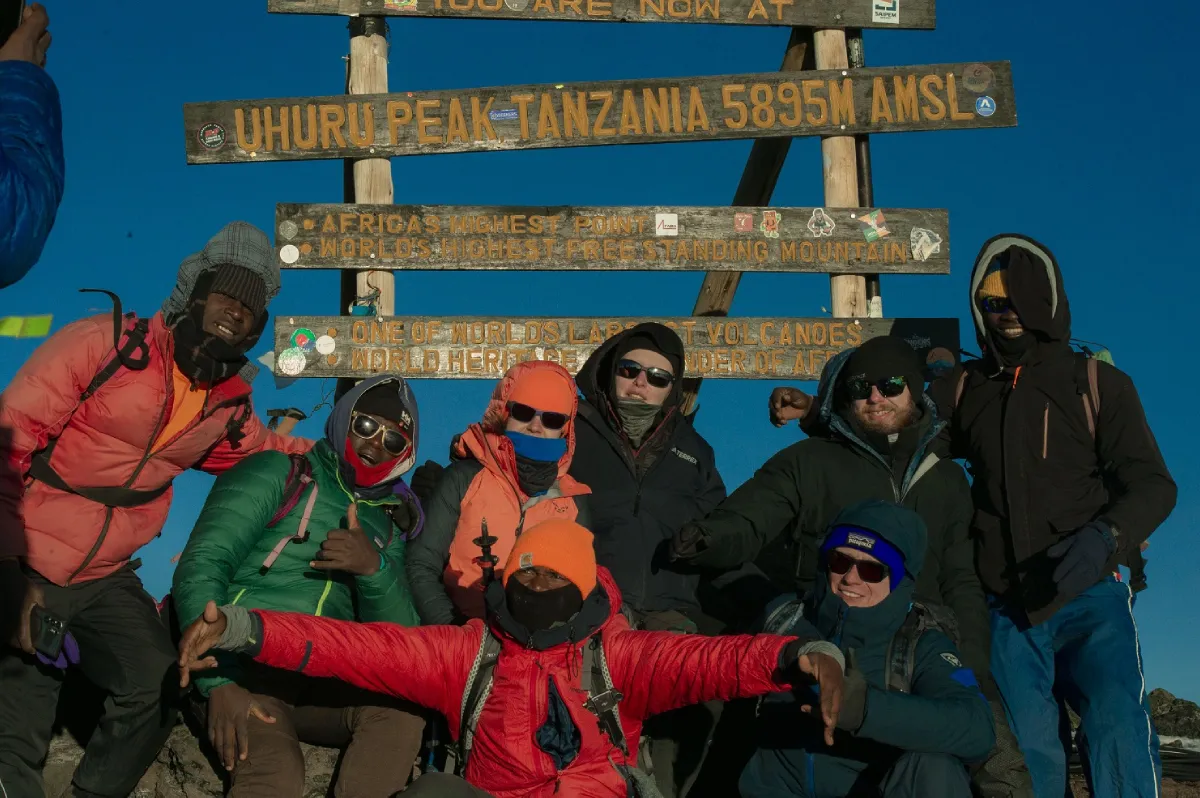
Climbing Mount Kilimanjaro is one of the most popular adventure experiences in Tanzania. As Africa’s highest peak at 5,895 meters, it attracts hikers from around the world. While the goal is the same for all climbers – reaching the summit – the experience, cost, and comfort can vary greatly depending on whether you choose a budget or luxury climb. Understanding the differences between cheap and luxury Kilimanjaro climbs helps hikers plan the trip that best fits their needs and expectations.
What Defines a Cheap Kilimanjaro Climb
A cheap Kilimanjaro climb typically refers to climbing packages with lower costs, often ranging from $1,600 to $2,500 per person for a standard seven-day itinerary. These climbs are designed to make the mountain accessible to more travelers but usually involve compromises in comfort and service.
Features of cheap climbs often include:
- Larger group sizes
- Basic meals and camping equipment
- Fewer staff members supporting the climb
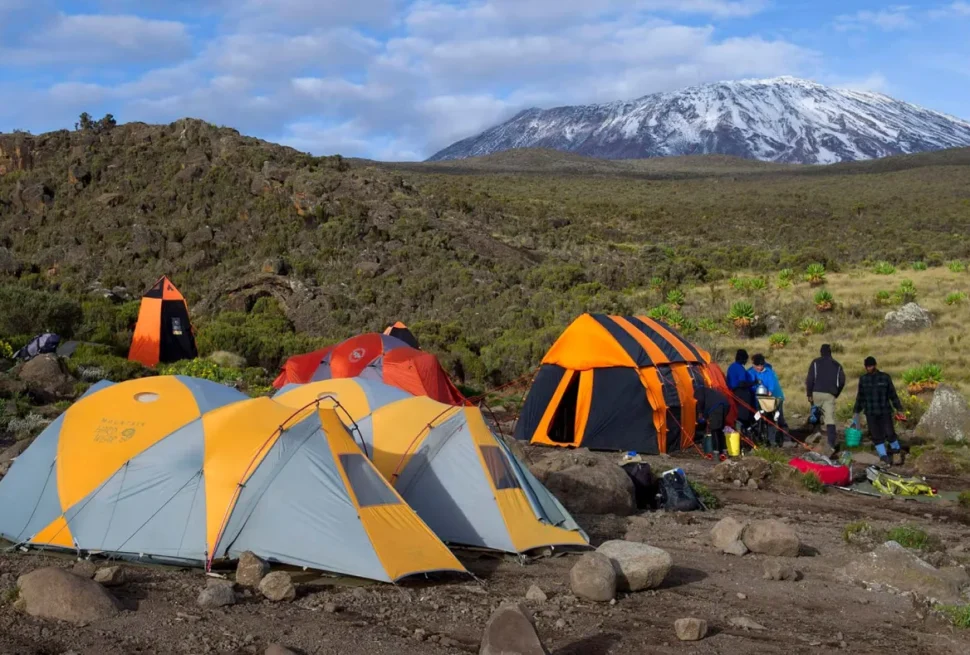
- Standard tents and sleeping arrangements
While budget climbs can still be safe and successful, climbers may need to bring some of their own equipment or supplies. The pace of the climb may be faster, which can increase the risk of altitude sickness. Additionally, porter wages and ethical treatment vary depending on the operator, so it is important to choose a reputable company even when selecting a cheaper package.
What Defines a Luxury Kilimanjaro Climb
Luxury climbs offer an enhanced level of comfort, service, and attention to detail. Costs for luxury packages often exceed $4,000 per person for a seven-day trek. These climbs are designed for hikers who want a more comfortable and personalized experience while still aiming to reach the summit.
Luxury climb features often include:
- Smaller groups with more personalized attention
- High-quality meals and specialized diets
- Premium tents with more space, better bedding, and sometimes private facilities
- Extra staff including cooks and additional porters
- Optional services such as medical support, satellite communication, and private transportation
Luxury climbs focus on minimizing physical stress and maximizing comfort, which can improve summit success. The slower pace and additional support also allow hikers to acclimatize more effectively and reduce the risk of altitude sickness.
Key Differences Between Cheap and Luxury Climbs
The main differences between cheap and luxury Kilimanjaro climbs include:
- Comfort and Amenities: Luxury climbs provide more spacious tents, better sleeping arrangements, and high-quality meals, while cheap climbs offer basic setups.
- Staffing and Support: Luxury climbs have more guides, porters, and cooks per hiker, making the climb easier and safer.
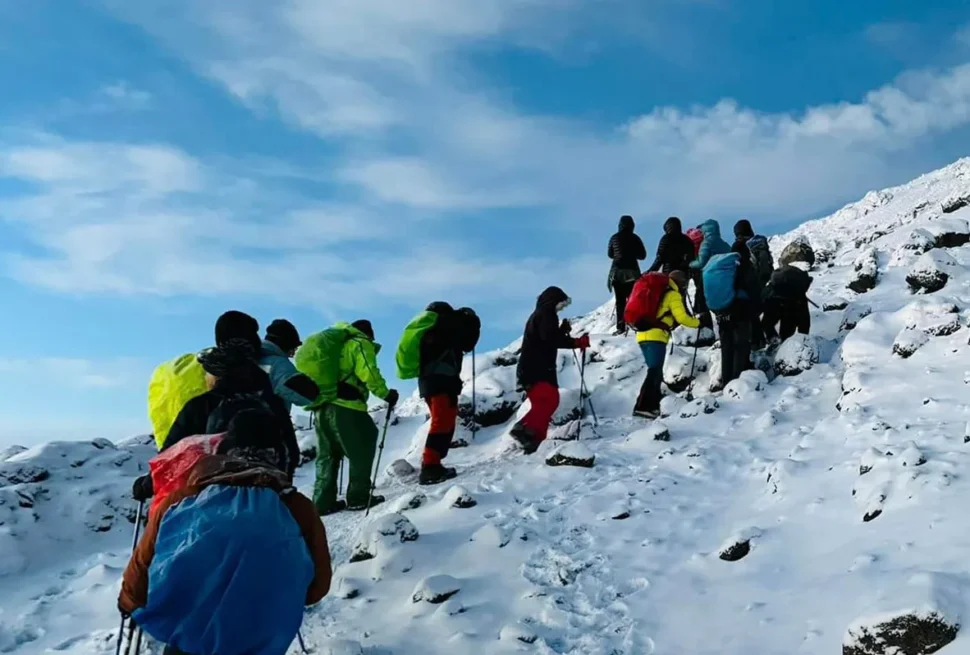
- Pace and Acclimatization: Luxury itineraries often allow extra days for gradual altitude gain, increasing the likelihood of reaching the summit. Budget climbs may have shorter itineraries with faster daily ascents.
- Group Size: Luxury climbs usually operate with smaller groups, offering a more personalized and peaceful experience, while budget climbs can have large groups.
- Cost and Value: Cheap climbs save money but may require hikers to sacrifice comfort, while luxury climbs provide additional support and amenities for a higher price.
Choosing the Right Option
The choice between a cheap and luxury Kilimanjaro climb depends on individual priorities. Budget climbs are ideal for travelers who are experienced, physically fit, and willing to accept less comfort in exchange for a lower cost. Luxury climbs are better for first-time climbers, those seeking comfort. Or hikers who want the highest chance of reaching the summit with minimal stress.
Regardless of the option chosen, it is essential to prioritize safety, proper equipment, and ethical treatment of guides and porters.
Final Thoughts
Cheap and luxury Kilimanjaro climbs both offer the chance to reach Africa’s highest peak, but the experience can vary dramatically. Budget climbs are cost-effective and accessible, while luxury climbs provide more comfort, personalized support, and better acclimatization. Understanding the differences helps hikers plan a Tanzania hiking adventure that matches their fitness level, expectations, and budget, ensuring a safe and memorable summit experience.