

Best Time to Climb Mount Kilimanjaro
Choosing the best time to climb Mount Kilimanjaro depends on several important factors, including weather conditions, temperatures, scenery, crowd levels, safety, and your personal travel schedule. While Kilimanjaro can be climbed year-round, certain months offer more favorable conditions and a higher chance of summit success.
Understanding Kilimanjaro’s Climate
Mount Kilimanjaro lies near the equator, so it does not experience the traditional four seasons. Instead, the mountain has wet and dry seasons, which significantly influence trail conditions and visibility.
Rainy Seasons
- Long rains: April to May
- Short rains: November
Rainfall during these months can be unpredictable. Heavy rain softens trails, makes rocks slippery, and increases safety risks, especially on steeper routes.
Dry Seasons
- January to early March
- June to October
These months bring clearer skies, more stable weather, and better trekking conditions, making them the most popular times to climb Kilimanjaro.
Peak Climbing Seasons on Kilimanjaro
The two main climbing seasons are:
- January – February
- July – September
These periods coincide with summer and Christmas holidays in Europe and North America, leading to:
- Excellent weather conditions
- Clear panoramic views
- Higher numbers of climbers on popular routes
Weather Conditions on Kilimanjaro
Weather is the single most important factor when planning your climb.
- Best months: January to early March and June to October
- Expect more sunshine, clearer views, and comfortable hiking conditions
- Weather can still change rapidly at any time due to altitude
Even during the dry season, climbers should prepare for sudden cold, wind, and cloud cover.

Read more about Kilimanjaro weather by month.
Temperature Changes by Altitude
Temperatures on Mount Kilimanjaro vary greatly depending on elevation and season.
- Lower slopes are warm and humid
- Mid-altitude zones are cool and temperate
- The summit zone is classified as Arctic, with temperatures below freezing year-round
Coldest Months
- December to March
- June (just after the rains)
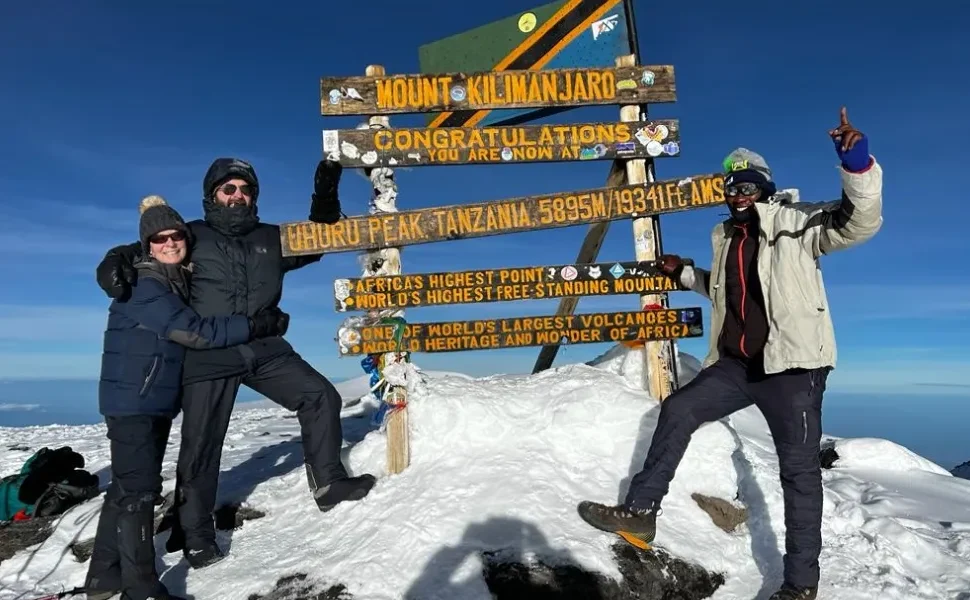
These months often bring snow at the summit and fewer climbers compared to July and August.
Visibility: Clouds, Mist, and Fog
Visibility plays a major role in your overall experience and photography opportunities.
- Low visibility months: Late March to May and November
- Cloud cover and mist can obscure views and reduce photo quality
If scenic views are a priority, climbing during the dry season offers the best chance for clear skies.
Crowds on Mount Kilimanjaro
Good weather attracts more climbers, especially during:
- January to early March
- June to October
Busiest Routes
- Marangu Route
- Machame Route
Quieter Alternatives
- Lemosho Route
- Northern Circuit
- Rongai Route
To enhance comfort during peak seasons, Tanzania Hiking provides private toilet tents, helping our climbers avoid overcrowded facilities at campsites.
Despite higher numbers, many climbers enjoy the social atmosphere and form lasting friendships on the mountain.
Best Time to Climb Kilimanjaro Without Crowds
If avoiding crowds is your top priority, consider the shoulder seasons, just before or after the rains.
- Fewer climbers
- More solitude on the trails
- Slightly higher chance of rain
During wetter months, we favor northern routes, which receive less rainfall and offer better protection from the weather.
Safety and Trail Conditions
Trail safety varies greatly with weather conditions.
- Dry season: Safer, less muddy, ideal for beginner hikers
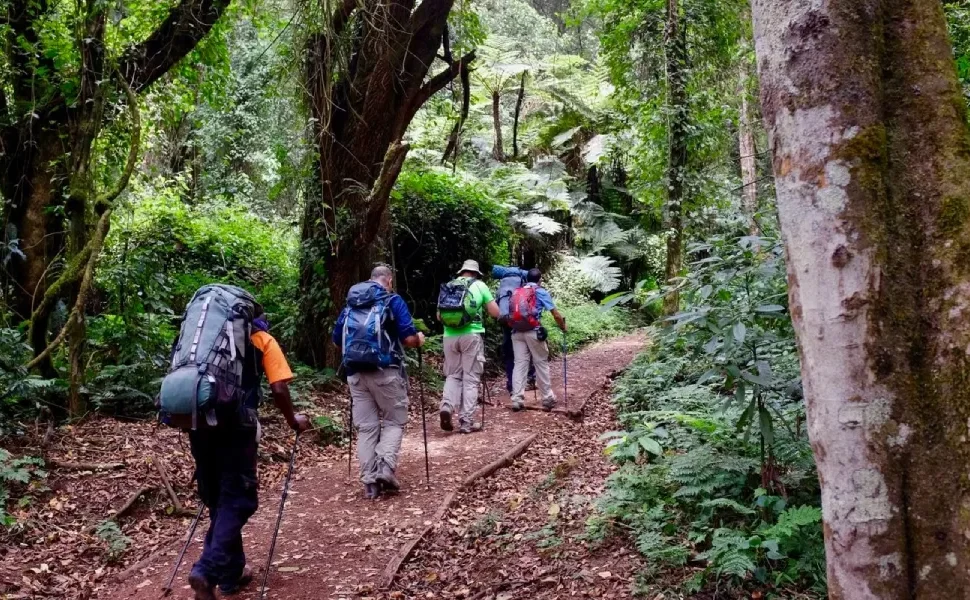
- Rainy season: Slippery trails, muddy forest paths, increased risk
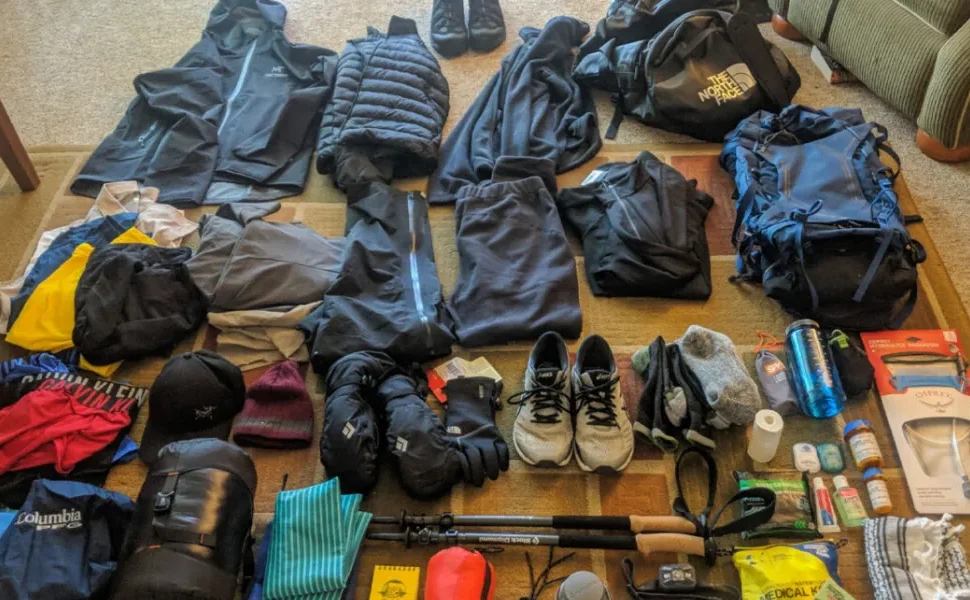
Wet clothing combined with altitude exposure increases the risk of hypothermia. Keeping gear dry is essential.
Safety Measures with Tanzania Hiking
- Highly experienced Kilimanjaro guides
- Constant weather monitoring
- Flexible itineraries to adjust for conditions
Note: Plastic bags are banned in Tanzania. Use reusable waterproof stuff sacks instead of rubbish or Ziplock bags.
Planning Around Your Schedule
When deciding the best time to climb, consider:
- Work or holiday availability
- Adding a Tanzania safari or Zanzibar beach holiday
- Flight costs, which rise during European school holidays
Apart from April–May and November, there is no truly bad time to climb Kilimanjaro—only trade-offs.
Climbing Kilimanjaro During a Full Moon
Climbing under a full moon is a magical experience.
Full Moon Advantages
- Natural light during summit night
- Less reliance on headlamps
- Stunning mountain scenery
Full moon climbs are popular and therefore busier. For fewer crowds and excellent stargazing, consider climbing around a New Moon instead.
Summit nights just before or after the full moon are equally beautiful and often quieter.
So, When Is the Best Time to Climb Kilimanjaro?
Mount Kilimanjaro is climbable year-round, but we recommend:
Best overall months: January–February and June–October
Months to avoid: April–May and November (rainy seasons)
If your schedule only allows travel during shoulder seasons, Tanzania Hiking can still arrange safe and successful climbs with proper planning.
Kilimanjaro Weather by Month (Overview)
| Month | Temperature | Rainfall | Cloud Cover | Crowds |
|---|---|---|---|---|
| January | Warm | Medium | Low | High |
| February | Warm | Medium | Low | High |
| March | Moderate | High | Medium | Low |
| April | Moderate | High | High | Low |
| May | Moderate | High | High | Low |
| June | Cold | Medium | Medium | Medium |
| July | Cold | Medium | Low | High |
| August | Cold | Low | Low | High |
| September | Moderate | Low | Low | High |
| October | Moderate | Low | Medium | Medium |
| November | Moderate | High | Medium | Low |
| December | Moderate | Medium | Medium | Medium |
Plan Your Kilimanjaro Climb With Experts
Email: info@tanzaniahiking.com
WhatsApp: +255 752 213 715 / +255 754 557 877
Contact us for expert advice on the best time, best route, and best itinerary for your Mount Kilimanjaro climb.