

Tanzania is a world-class destination for trekking and hiking, offering a variety of landscapes from high mountains to lush forests and scenic highlands. Understanding the weather and seasons is essential for planning your trekking adventure, ensuring safer trails, comfortable conditions, and a more enjoyable experience. This guide highlights the best times to hike in Tanzania and what to expect throughout the year.
Why Timing Matters
Weather conditions in Tanzania affect trail accessibility, safety, and comfort. Choosing the right season ensures:
- Clear and stable trails for easier navigation
- Reduced risk of rain and slippery paths
- Better visibility for scenic viewpoints and wildlife sightings
- Comfortable temperatures for mountain and forest hikes
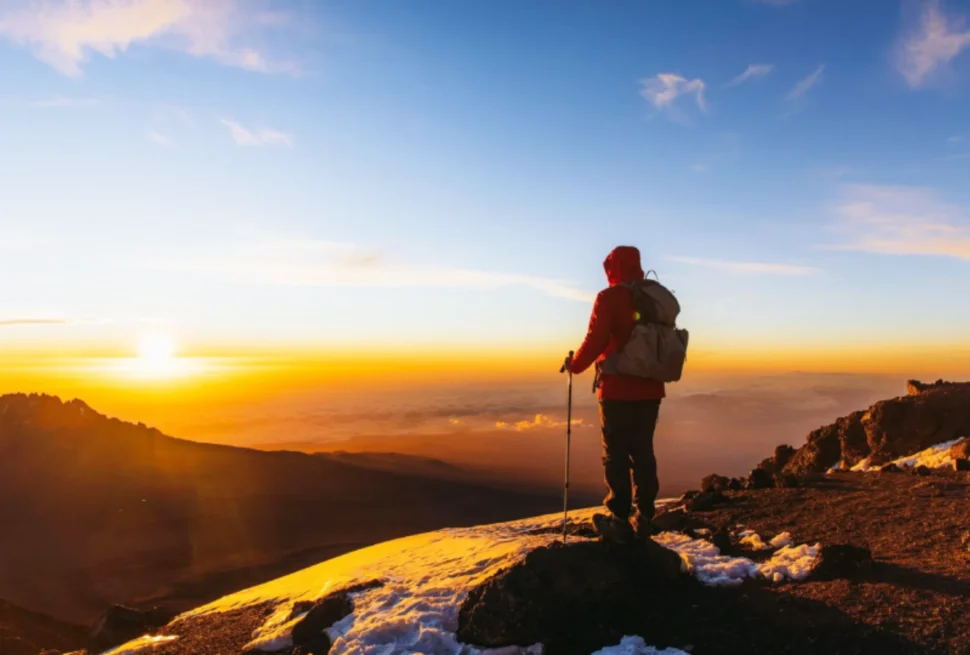
Planning your trip around optimal conditions can also improve your chances of successfully summiting peaks like Mount Kilimanjaro or completing multi-day treks.
Dry Seasons – Best Time for Hiking
January to March
- Conditions: Warm days, cooler nights, mostly dry trails
- Benefits: Excellent for highland and mountain treks, fewer tourists than mid-year
- Highlights: Clear skies for scenic views, good wildlife spotting in national parks
June to October
- Conditions: Cooler and drier, especially at higher altitudes
- Benefits: Ideal for climbing Mount Kilimanjaro, Mount Meru, and other multi-day hikes
- Highlights: Best months for summit success and longer treks due to stable weather
Dry seasons are considered the most reliable periods for trekking in Tanzania. Trails are safer, and rain is minimal, making this the preferred time for both beginners and experienced hikers.
Rainy Seasons – When to Consider Alternatives
Long Rains: March to May
- Conditions: Frequent heavy rainfall, muddy and slippery trails
- Challenges: Higher risk of difficult terrain, trail closures, and lower visibility
- Tips: Short hikes, cultural walks, or lower-altitude treks are better options during this period
Short Rains: November
- Conditions: Occasional showers, generally shorter and lighter
- Benefits: Less crowded trails, lush green landscapes, and blooming flora
- Tips: Suitable for moderate treks if prepared with rain gear
Rainy seasons can still offer rewarding experiences, but multi-day mountain treks are less comfortable and more physically demanding during this time.
Regional Considerations
- Northern Tanzania (Kilimanjaro, Arusha, Manyara, Tarangire): Dry months are June–October and January–March
- Southern Highlands (Udzungwa, Njombe): Slightly wetter than northern regions, best in June–September
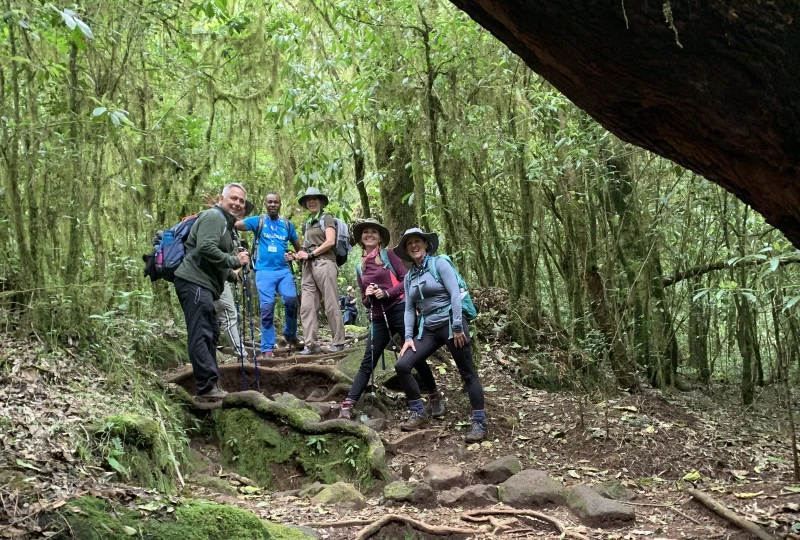
- Eastern Highlands (Usambara, Uluguru): Shorter dry season, best hiking months are June–October
Choosing the right region based on season can help avoid rain and ensure safer trekking conditions.
Planning Tips for Seasonal Hiking
- Check Weather Forecasts: Even in dry seasons, mountain weather can be unpredictable
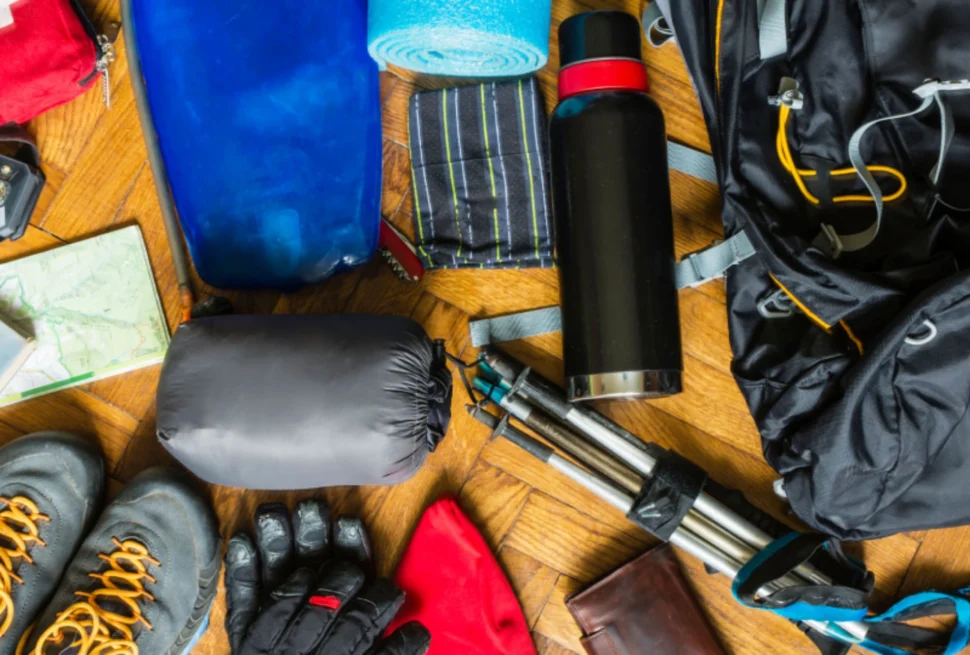
- Pack Accordingly: Bring layers for cooler mountain temperatures and rain protection for wet months
- Allow Extra Days for Summit Treks: Dry seasons are better for multi-day climbs and higher success rates
- Consider Wildlife and Flora: Dry seasons offer easier wildlife spotting, while rainy months showcase vibrant landscapes
Final Thoughts
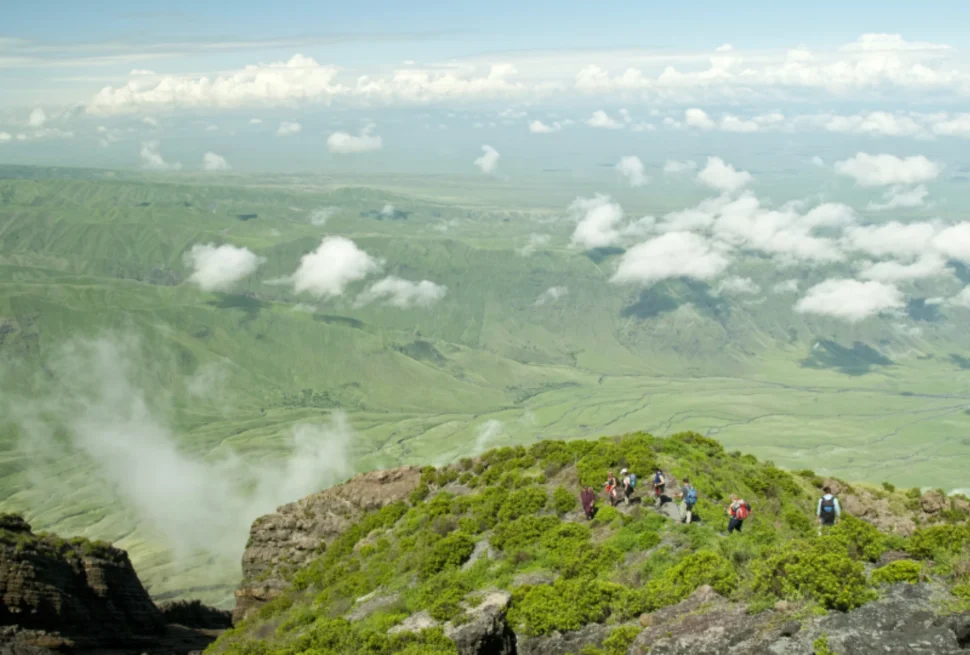
The best time for trekking and hiking in Tanzania is during the dry seasons from January to March and June to October. These periods provide the safest and most comfortable conditions for mountains, forests, and highlands. Careful planning around weather and seasons ensures a rewarding adventure, whether you are hiking Kilimanjaro, exploring Udzungwa, or trekking through Usambara.
For personalized trekking itineraries, seasonal advice, and guided tours, contact us:
- Email: info@tanzaniahiking.com
- Call / WhatsApp: +255 752 213 715 / +255 754 557 877
Use the enquiry form below to request a quote and plan your Tanzania trekking adventure at the ideal time of year.