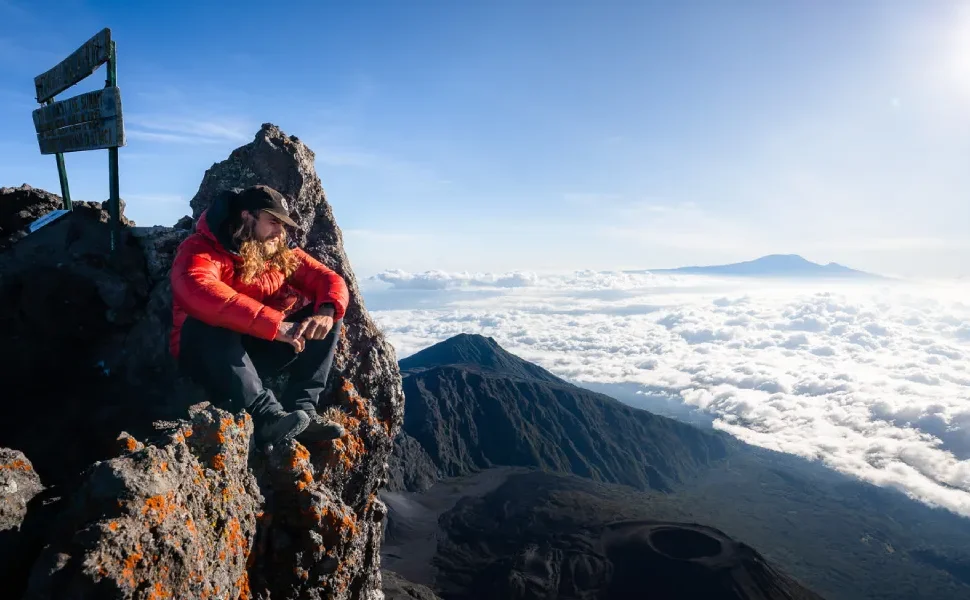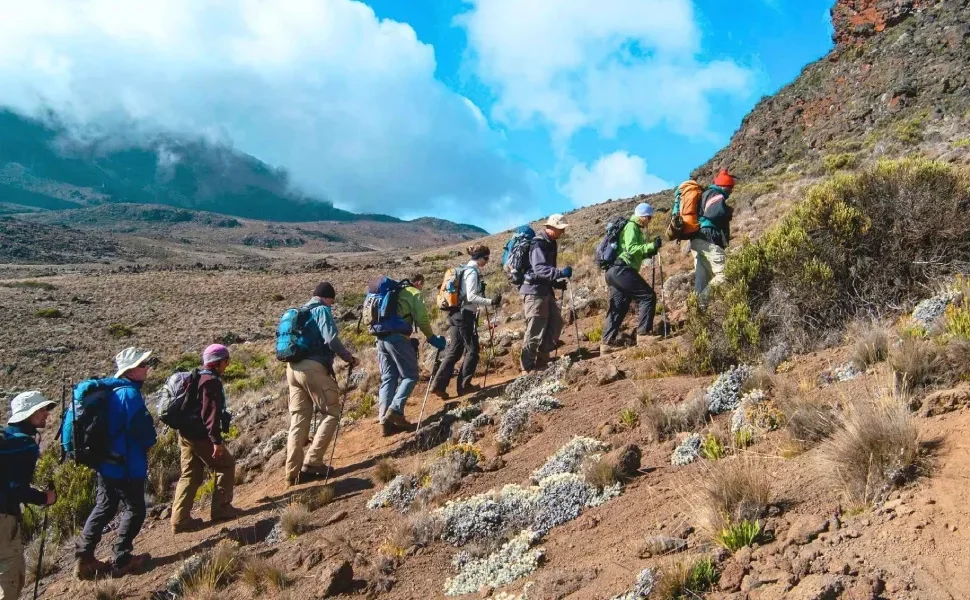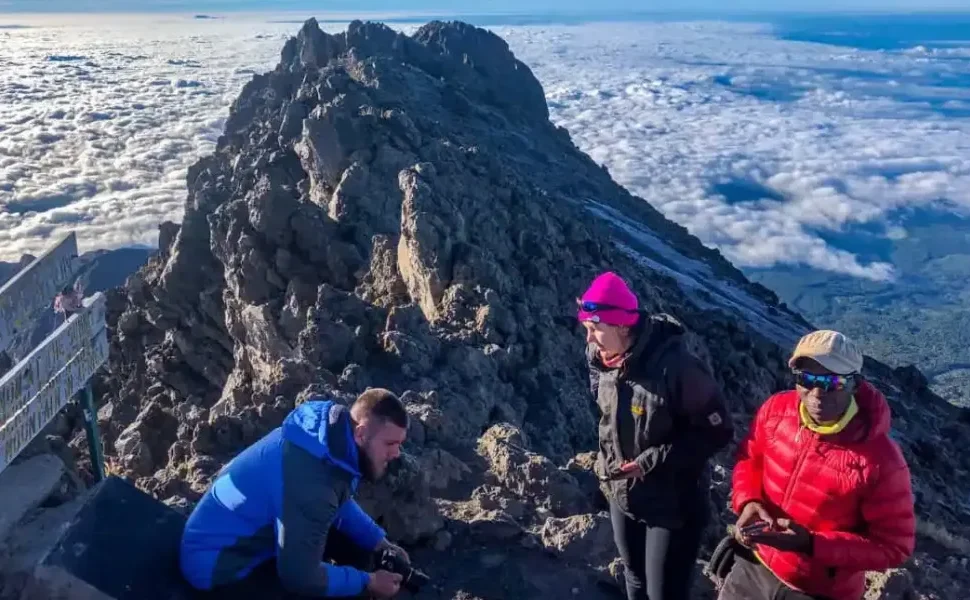


Climbing Mount Meru (4,566 meters), Tanzania’s second-highest peak, is an incredible adventure. While the trek is non-technical and shorter than Mount Kilimanjaro, altitude sickness can still affect hikers. Understanding how altitude sickness occurs, how to prevent it, and what remedies are available is essential for a safe and enjoyable Mount Meru experience.
This guide explains everything you need to know about altitude sickness on Mount Meru, from early symptoms to effective prevention strategies.
What Is Altitude Sickness?
Altitude sickness, also known as Acute Mountain Sickness (AMS), occurs when your body struggles to adapt to lower oxygen levels at higher elevations. On Mount Meru, altitude sickness can affect hikers as they ascend above 3,000 meters, especially during the rapid climb to the summit.
Although Mount Meru is climbed over a shorter period, the elevation gain is significant, making awareness and preparation essential.
Common Symptoms of Altitude Sickness on Mount Meru
Symptoms can vary from mild to severe and may appear within hours of gaining altitude.
Mild Symptoms
- Headache
- Dizziness or lightheadedness
- Fatigue or weakness
- Nausea or loss of appetite
- Difficulty sleeping
Moderate to Severe Symptoms
- Persistent headache not relieved by medication
- Vomiting
- Shortness of breath at rest
- Loss of coordination
- Confusion
If symptoms worsen, immediate descent is required.
Why Altitude Sickness Can Occur on Mount Meru
Mount Meru is often climbed in 3 to 4 days, which means altitude is gained relatively quickly. Contributing factors include:
- Rapid ascent
- Insufficient acclimatization
- Dehydration
- Overexertion
- Individual sensitivity to altitude
Even physically fit hikers can experience altitude sickness if they ascend too quickly.
How to Prevent Altitude Sickness on Mount Meru
1. Choose the Right Itinerary
Opt for a 3–4 day Mount Meru trek instead of a rushed itinerary. Extra time allows your body to adjust naturally to altitude changes.
2. Walk Slowly and Steadily
Pacing is critical. Follow your guide’s rhythm, often described as “pole pole” (slowly, slowly). Avoid rushing, especially above Saddle Hut.
3. Stay Well Hydrated
Drink plenty of water throughout the trek. Proper hydration helps your body adjust to altitude and reduces symptoms such as headaches.
4. Eat Regularly
Even if you don’t feel hungry, eat small, energy-rich meals. Food provides essential fuel for acclimatization.
5. Avoid Alcohol and Smoking
Alcohol and smoking reduce oxygen absorption and increase the risk of altitude sickness. Avoid them before and during the trek.
6. Listen to Your Body
Report any discomfort to your guide immediately. Early action prevents symptoms from worsening.
Remedies and Treatment for Altitude Sickness
Rest and Observation
Mild symptoms often improve with rest and hydration. Your guide may slow the pace or add extra breaks.
Medication
Some trekkers use altitude medication as a preventive or treatment measure. Always consult a medical professional before your trip.
Descent
The most effective treatment for severe altitude sickness is descending to a lower altitude. Symptoms usually improve quickly after descent.
Professional guides are trained to recognize symptoms early and take appropriate action.
The Role of Professional Guides
On Mount Meru, trekking with licensed guides and park rangers is mandatory. Tanzania Hiking guides:
- Monitor your health and oxygen adaptation
- Adjust pace and schedule when needed
- Make safety decisions based on symptoms
- Ensure immediate descent if required
This support significantly reduces risks associated with altitude sickness.
Book Your Mount Meru Trek With Tanzania Hiking
Tanzania Hiking specializes in safe, well-paced Mount Meru treks designed to minimize altitude-related risks. Our experienced guides prioritize acclimatization, health monitoring, and your overall trekking experience.
- Email: info@tanzaniahiking.com
- WhatsApp: +255 752 213 715 / +255 754 557 877
Request a Quote for Your Mount Meru Trek
Planning your Mount Meru adventure?
Fill out the quote request form below, and our team will create a custom trekking itinerary that focuses on proper acclimatization, safety, and summit success.