

Altitude Sickness on Mount Kilimanjaro: Symptoms, Prevention, and Treatment
Climbing Mount Kilimanjaro is a dream for many adventurers, but one challenge all trekkers must be aware of is altitude sickness. Due to the mountain’s high elevation, reaching Uhuru Peak at 5,895 meters (19,341 feet) exposes climbers to thin air, which can affect the body in various ways. Understanding altitude sickness, how to prevent it, and what to do if it occurs is essential for a safe and successful Kilimanjaro climb.
What is Altitude Sickness?
Altitude sickness, also called Acute Mountain Sickness (AMS), occurs when your body cannot adjust quickly enough to lower oxygen levels at high altitudes. Symptoms can range from mild discomfort to severe, life-threatening conditions.
Kilimanjaro’s gradual ascent allows most climbers to acclimatize, but proper planning and awareness are crucial.
Symptoms of Altitude Sickness
Symptoms of altitude sickness typically appear above 2,500 meters (8,200 feet) and can include:
- Headache
- Nausea and vomiting
- Dizziness or lightheadedness
- Shortness of breath
- Fatigue and weakness
- Loss of appetite
- Trouble sleeping
Severe cases may lead to High Altitude Pulmonary Edema (HAPE) or High Altitude Cerebral Edema (HACE), which are life-threatening and require immediate descent.
Causes of Altitude Sickness
Altitude sickness occurs because oxygen levels decrease as elevation increases. At high altitudes, your body must work harder to get enough oxygen to tissues and organs. Rapid ascents, dehydration, and physical exertion increase the risk.
Preventing Altitude Sickness on Kilimanjaro
Proper preparation is key to reducing the risk of altitude sickness. Here are some essential tips:
1. Take a Gradual Ascent
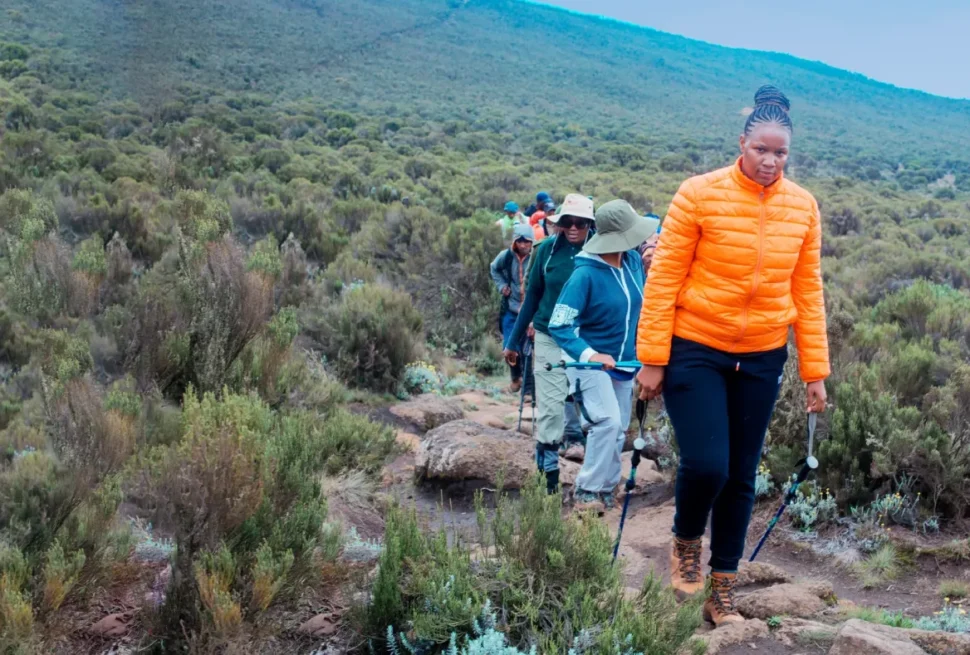
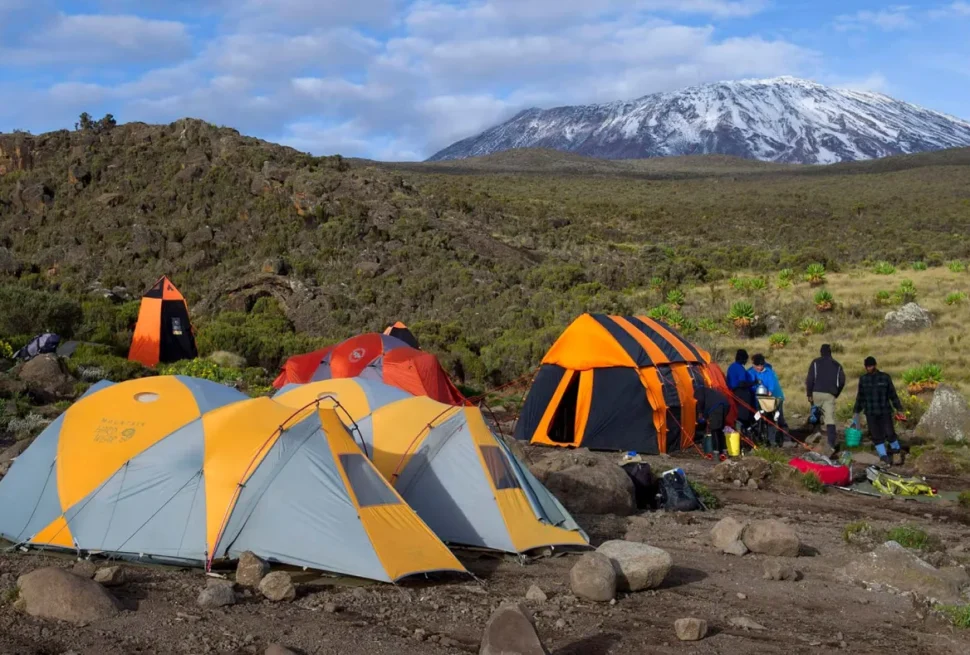
Choose routes that allow gradual acclimatization, such as Machame or Lemosho, which typically take 6–8 days. Spending extra days at higher camps increases your chance of adjusting to thinner air.
2. Stay Hydrated
Drink plenty of water throughout the climb. Dehydration can worsen symptoms of altitude sickness.
3. Pace Yourself
Avoid overexertion. Walking slowly and steadily allows your body to adapt more effectively.
4. Consider Medication
Some climbers use acetazolamide (Diamox) to aid acclimatization. Always consult a doctor before using medication.
5. Recognize Early Symptoms
Pay attention to headaches, nausea, and fatigue. Early recognition allows for rest, hydration, or descending if needed.
What to Do If Symptoms Occur
- Rest and hydrate: Mild symptoms often improve with rest.
- Descend if severe: Severe headache, vomiting, confusion, or shortness of breath may indicate serious altitude sickness. Immediate descent is the safest option.
- Seek medical attention: Guides are trained to manage altitude-related emergencies and can provide supplemental oxygen if necessary.
Why Guided Climbs Help
Climbing with experienced guides, like those at Tanzania Hiking, greatly reduces risks. Our guides:
- Monitor climbers for early signs of altitude sickness
- Adjust pace and camp schedules to improve acclimatization
- Provide advice on hydration, nutrition, and rest
- Ensure emergency plans are in place
Book Your Kilimanjaro Climb with Tanzania Hiking
At Tanzania Hiking, your safety is our priority. We specialize in guided Mount Kilimanjaro climbs and help trekkers prevent, recognize, and manage altitude sickness while focusing on a safe and successful summit.
For bookings and inquiries, contact
- Email: info@tanzaniahiking.com
- WhatsApp +255 752213715 / +255 754557877.
Request a Quote for Your Kilimanjaro Adventure
Below this page, you’ll find a request-a-quote form. Share your preferred travel dates, route, and group size, and our team will provide a personalized itinerary and detailed pricing tailored to your needs.