

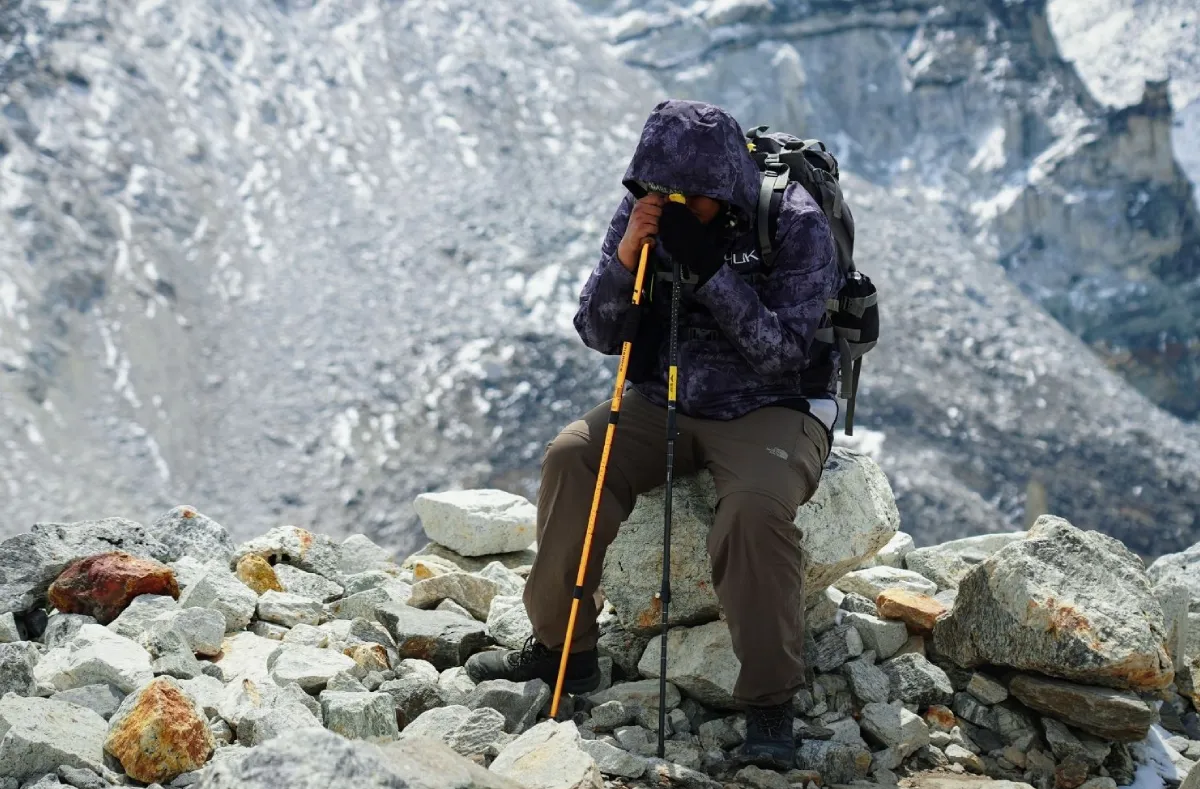
How to Prevent Altitude Sickness on Mount Kilimanjaro
Climbing Mount Kilimanjaro is a life-changing adventure, but one of the biggest challenges for trekkers is altitude sickness. Also known as Acute Mountain Sickness (AMS), it occurs when your body struggles to adjust to reduced oxygen levels at high elevations. Understanding how to prevent altitude sickness is essential for a safe, enjoyable, and successful Kilimanjaro climb.
What is Altitude Sickness?
Altitude sickness happens when your body cannot get enough oxygen at high elevations. On Kilimanjaro, symptoms usually begin above 2,500 meters (8,200 feet) and become more noticeable as you approach the summit at 5,895 meters (19,341 feet).
Common symptoms include:
- Headaches
- Nausea or vomiting
- Dizziness or lightheadedness
- Fatigue and weakness
- Shortness of breath
- Loss of appetite
Severe cases may lead to High Altitude Pulmonary Edema (HAPE) or High Altitude Cerebral Edema (HACE), both of which are life-threatening and require immediate descent.
Key Strategies to Prevent Altitude Sickness
1. Choose a Gradual Ascent
The most important factor in preventing altitude sickness is climbing slowly. Routes that allow proper acclimatization, like Machame, Lemosho, and Northern Circuit, are ideal. Adding extra days at higher camps helps your body adjust to lower oxygen levels.
2. Hydrate Frequently
Dehydration increases the risk of altitude sickness. Drink at least 3–4 liters of water per day, even if you do not feel thirsty. Electrolyte solutions can help maintain hydration and prevent fatigue.
3. Walk at a Steady Pace
Maintain a slow and steady hiking pace often called the “pole pole” method. Overexertion increases oxygen demand, which can trigger altitude sickness symptoms.
4. Avoid Alcohol and Smoking
Alcohol and smoking impair oxygen absorption and can worsen altitude sickness. Avoid these substances before and during your climb.
5. Use Proper Nutrition
Eat light, balanced meals throughout the day. Foods high in carbohydrates provide energy and help your body acclimatize. Avoid heavy or greasy meals that are difficult to digest at high altitude.
6. Consider Medication
Some climbers use acetazolamide (Diamox) to reduce symptoms and aid acclimatization. This should be taken under medical supervision and combined with other preventive measures.
7. Rest and Sleep Well
Get adequate rest each night, especially after a long day of trekking. Climbing while fatigued increases the risk of altitude sickness. Listen to your body and take breaks as needed.
8. Recognize Early Symptoms
Awareness is critical. Mild symptoms like headache or nausea should not be ignored. Early intervention, rest, hydration, and sometimes descending slightly can prevent serious complications.
Why Guided Climbs Reduce Risk
Climbing with experienced guides, like those at Tanzania Hiking, significantly reduces the risk of altitude sickness. Guides:
- Monitor climbers for early signs of AMS
- Adjust the pace and itinerary for proper acclimatization
- Provide hydration, nutrition, and safety advice
- Ensure emergency plans are in place
Book Your Kilimanjaro Climb with Tanzania Hiking
At Tanzania Hiking, we prioritize climber safety and comfort. Our professional guides plan your ascent to maximize acclimatization, reduce altitude sickness risk, and help you reach the summit successfully.
For bookings and inquiries, contact
- info@tanzaniahiking.com
- WhatsApp +255 752213715 / +255 754557877.
Request a Quote for Your Kilimanjaro Adventure
Below this page, you’ll find a request-a-quote form. Share your preferred travel dates, route, and group size, and our team will provide a personalized itinerary with detailed pricing tailored to your needs.


