
Tanzania Hiking Guide: Kilimanjaro Gear Checklist by Route
Climbing Mount Kilimanjaro requires careful preparation, and having the right gear is essential for a safe and enjoyable experience. Each route up the mountain presents unique challenges, weather conditions, and terrain, which influence the gear needed for a successful climb. A gear checklist organized by route helps climbers pack efficiently, stay comfortable, and focus on reaching the summit. This guide provides a detailed Kilimanjaro gear checklist tailored to different routes.
Machame Route Gear Checklist
The Machame route is known for its scenic views and moderate difficulty. Climbers should prepare for varying terrain, from rainforest paths to rocky slopes.
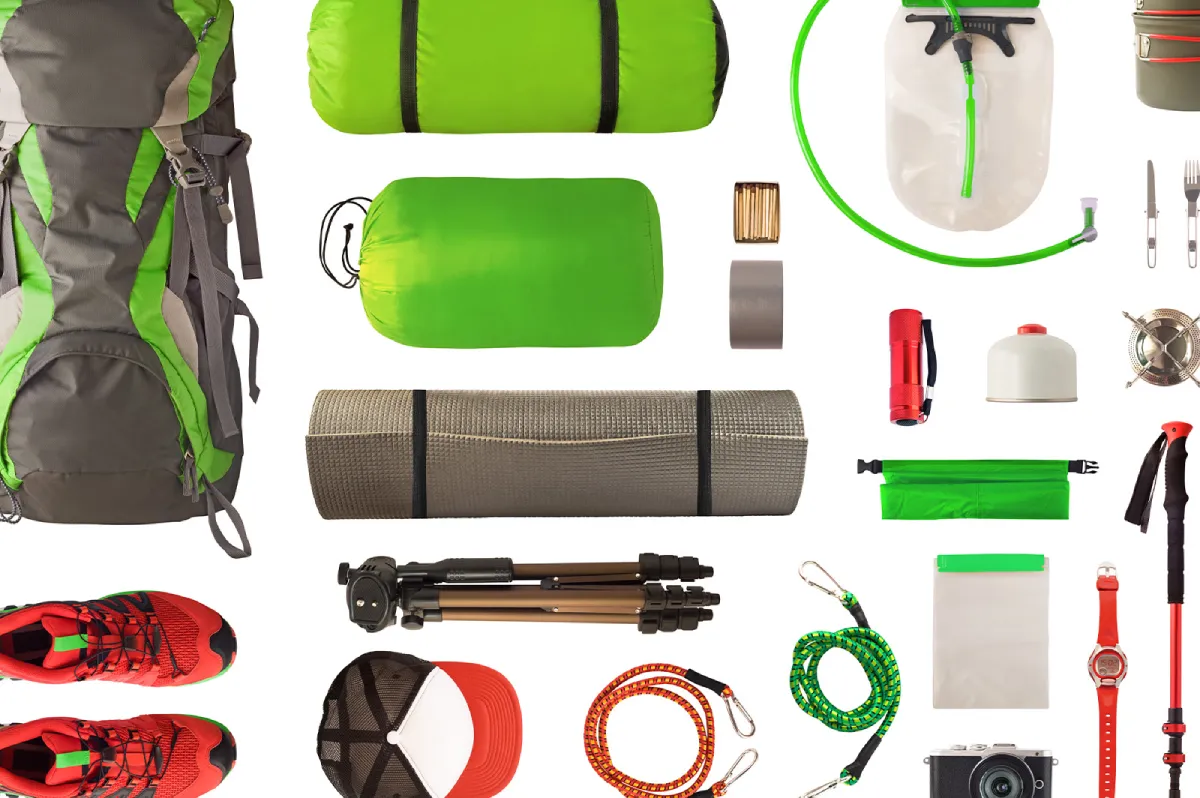
Essential items include:
- Moisture-wicking base layers and insulating mid-layers for warmth
- Waterproof jacket and pants for rain protection
- Comfortable, broken-in hiking boots with good ankle support
- Trekking poles for stability on steep ascents and descents
- Lightweight daypack for water, snacks, and extra clothing
- Sleeping bag rated for cold temperatures and a sleeping mat for insulation
- Headlamp with extra batteries for early morning hikes
- Sunglasses, sunscreen, and lip balm for sun protection
- Gloves, hat, and neck gaiter for cold summit conditions
- Personal medications and a basic first aid kit
Marangu Route Gear Checklist
The Marangu route is often considered the easiest path to the summit, with gradual slopes and hut accommodations. Gear needs are slightly different due to the shorter trekking days and overnight huts.
Recommended items include:
- Layered clothing for temperature changes
- Waterproof jacket for occasional rain
- Hiking boots suitable for long walks on dirt and rocky trails
- Daypack for personal items, water, and snacks
- Sleeping bag and liner for warmth in huts
- Headlamp for early starts and night walks
- Gloves, hat, and extra socks for cold nights
- Sunglasses, sunscreen, and lip balm
- Trekking poles for stability, especially on steep sections
Lemosho Route Gear Checklist
The Lemosho route is longer and considered one of the most scenic routes. Climbers spend several days on the trail, requiring additional gear for extended trekking.
Key items include:
- Moisture-wicking base layers and multiple insulating mid-layers
- Waterproof outer layers for rain and wind protection
- Sturdy, well-broken-in hiking boots
- Trekking poles to reduce strain on knees
- 30–35 liter daypack for essentials
- Sleeping bag rated for sub-zero temperatures and a sleeping mat
- Headlamp and spare batteries
- Warm gloves, hats, and neck gaiters for cold summit conditions
- Sunglasses, sunscreen, and lip balm
- Personal medications, first aid kit, and hygiene items
- Energy snacks and hydration system
Rongai Route Gear Checklist
The Rongai route approaches Kilimanjaro from the north and is known for being drier and less crowded. Climbers should be prepared for long stretches without shade and cooler summit nights.
Important gear includes:
- Layered clothing for both warm days and cold nights
- Waterproof jacket and pants for wind and rain protection
- Durable hiking boots with good traction
- Trekking poles for stability on rocky terrain
- Daypack for water, snacks, and extra layers
- Sleeping bag suitable for sub-zero temperatures and a sleeping mat
- Headlamp for summit night and early departures
- Warm gloves, hat, and neck gaiter
- Sunglasses and sunscreen for sun protection
- Personal medications and basic first aid supplies
Northern Circuit and Shira Route Gear Checklist
Both the Northern Circuit and Shira routes are longer, allowing better acclimatization. Hikers need to be prepared for multiple days of trekking with varying weather conditions.
Essential items include:
- Multiple base and insulating layers for cold and warmth
- Waterproof outer layers for rain, wind, and snow
- Broken-in, high-quality hiking boots
- Trekking poles to maintain balance and reduce strain
- Large daypack for daily essentials
- Sleeping bag rated for extreme cold and a sleeping mat
- Headlamp and extra batteries
- Gloves, hats, and neck gaiters for summit night
- Sunglasses, sunscreen, and lip balm
- Personal medications, hygiene items, and first aid kit
- High-energy snacks and hydration supplies
Tips for Packing by Route
- Pack light for shorter routes and bring extra layers for longer routes
- Test all clothing and gear during training hikes to ensure comfort
- Organize gear for quick access to frequently used items like gloves and water
- Use waterproof bags or covers to protect gear from rain or snow
Final Thoughts
A Kilimanjaro gear checklist by route ensures that hikers are properly prepared for the unique challenges of each trail. Clothing, footwear, sleeping gear, daypacks, trekking poles, and personal items all play a role in comfort, safety, and summit success. By tailoring your gear to the chosen route, Tanzania hiking enthusiasts can focus on pacing, acclimatization, and enjoying the breathtaking scenery of Mount Kilimanjaro. Proper preparation is key to a safe and rewarding climb to Africa’s highest peak.