
Tanzania Hiking Guide: Sleeping Bags for Kilimanjaro Summit Night
Choosing the right sleeping bag for Mount Kilimanjaro summit night is essential for comfort, safety, and overall climbing success. As hikers ascend to high altitude, temperatures drop significantly, especially during the final push to the summit. Cold nights can affect sleep quality, energy levels, and acclimatization. A properly selected sleeping bag helps climbers rest well and stay warm, allowing them to perform better during the most challenging part of the climb. This guide explains what to look for in a sleeping bag for Kilimanjaro summit night and how to prepare for extreme conditions.
Why Sleeping Bags Matter on Kilimanjaro
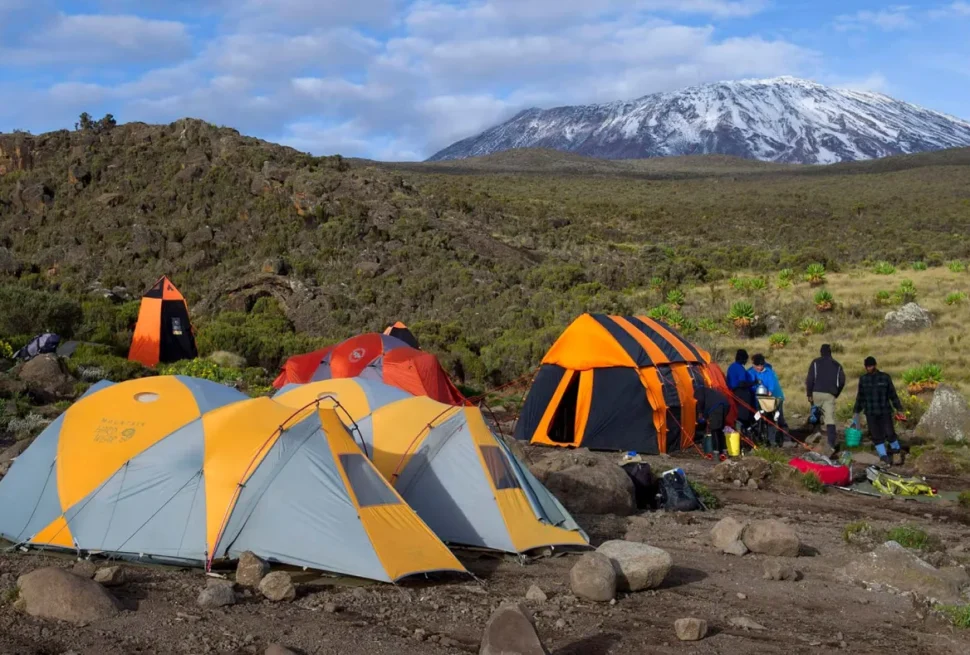
On Mount Kilimanjaro, nights can be extremely cold, particularly above 4,000 meters. Summit night is usually attempted after midnight, when temperatures are at their lowest. A sleeping bag that does not provide adequate insulation can lead to poor sleep, cold stress, and reduced energy for the summit attempt. Quality sleep supports recovery, boosts morale, and improves the body’s ability to adapt to altitude.
Temperature Ratings for Summit Conditions
Understanding sleeping bag temperature ratings is crucial when preparing for Kilimanjaro. Summit night temperatures can fall well below freezing, sometimes reaching very low levels depending on the season. A sleeping bag rated for cold conditions is recommended to ensure warmth throughout the night. Comfort ratings are more important than extreme ratings, as they indicate the temperature at which an average sleeper can rest comfortably. Choosing a bag with a lower comfort rating helps protect against unexpected cold snaps.
Down vs Synthetic Sleeping Bags
Climbers often choose between down and synthetic sleeping bags for Kilimanjaro. Down sleeping bags are lightweight, highly compressible, and offer excellent warmth, making them ideal for high-altitude conditions. However, they lose insulation when wet and require careful handling. Synthetic sleeping bags are heavier and bulkier but perform better in damp conditions and are easier to maintain. Both options can work well if selected with proper insulation and care.
Weight and Packability
Weight and packability are important considerations for multi-day treks like Kilimanjaro. A sleeping bag that packs down small saves space in duffel bags and makes transportation easier. Lightweight sleeping bags reduce overall load, helping climbers conserve energy. However, warmth should never be sacrificed for weight savings. Finding a balance between insulation and pack size is key.
Shape and Fit of Sleeping Bags
The shape of a sleeping bag affects heat retention. Mummy-shaped sleeping bags are commonly recommended for Kilimanjaro because they reduce empty space and trap body heat more efficiently. A well-fitted sleeping bag helps maintain warmth during cold nights. Extra features such as an adjustable hood and draft collar help prevent heat loss around the head and neck.
Using a Sleeping Bag Liner
A sleeping bag liner adds an extra layer of warmth and improves hygiene. Liners can increase temperature retention and make sleeping more comfortable. They are lightweight and easy to pack, making them a useful addition for climbers concerned about cold conditions on summit night. Liners also help keep the sleeping bag clean during multi-day use.
Sleeping Comfort at High Altitude
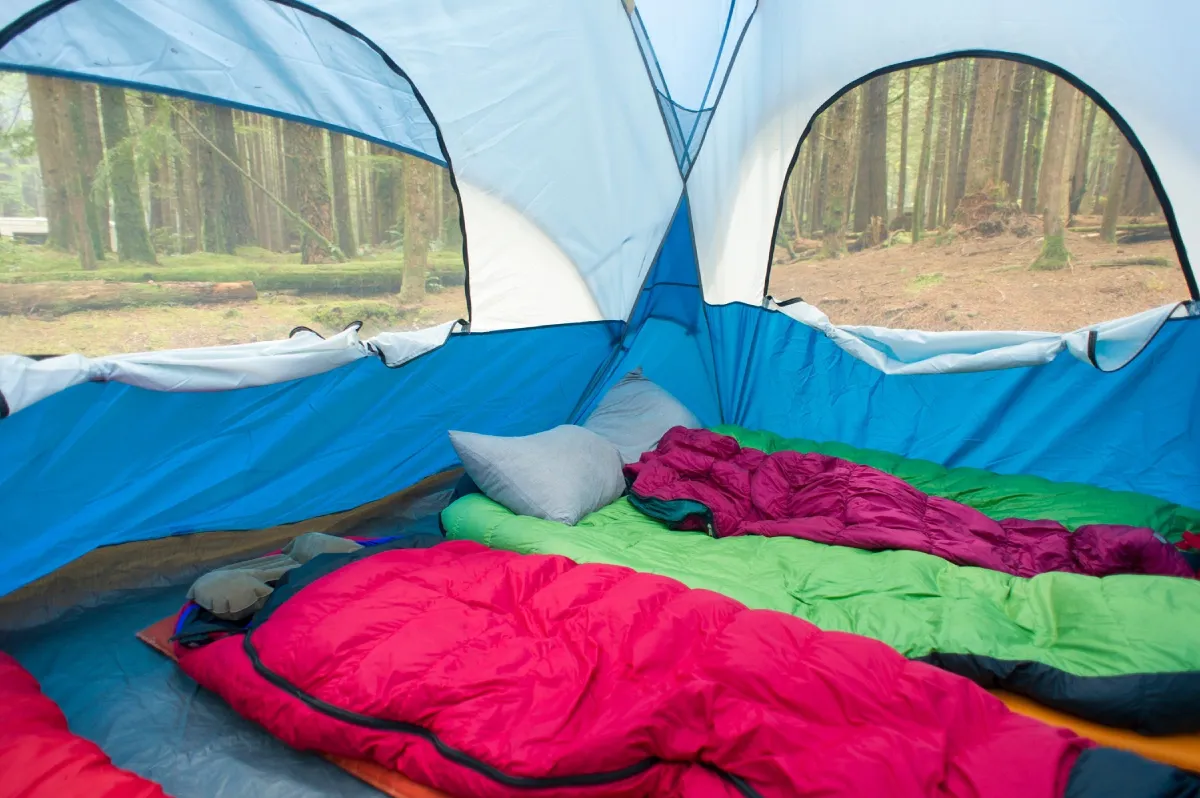
Sleeping at high altitude can be challenging due to cold temperatures and reduced oxygen levels. Wearing thermal clothing inside the sleeping bag helps retain warmth. Keeping water bottles and electronics inside the sleeping bag prevents them from freezing overnight. Proper insulation from the ground using a sleeping mat also improves overall warmth and comfort.
Renting vs Bringing Your Own Sleeping Bag
Some climbers consider renting sleeping bags in Tanzania, but quality and warmth can vary. Bringing your own sleeping bag ensures familiarity, comfort, and confidence in its performance. If renting, climbers should verify temperature ratings and condition well in advance. A reliable sleeping bag is too important to leave to chance on Kilimanjaro.
Final Thoughts
Selecting the right sleeping bag for Kilimanjaro summit night is a critical part of climb preparation. Warmth, insulation, fit, and reliability all play a role in ensuring restful nights at high altitude. A quality sleeping bag supports recovery, improves acclimatization, and increases the chances of a successful summit attempt. For Tanzania hiking adventures, investing in the right sleeping bag helps climbers face the coldest nights on Mount Kilimanjaro with confidence and comfort.