
Tanzania Hiking Guide: Best Hiking Boots for Kilimanjaro
Choosing the best hiking boots for Mount Kilimanjaro is one of the most important decisions a climber can make. The right boots provide comfort, stability, and protection during long trekking days and challenging terrain. Since Kilimanjaro involves walking through forest trails, rocky paths, muddy sections, and cold high-altitude zones, proper footwear plays a major role in both safety and summit success. This guide explains what to look for when selecting hiking boots for Kilimanjaro and how to prepare them for the climb.
Why Hiking Boots Matter on Kilimanjaro
Mount Kilimanjaro may not require technical climbing skills, but it demands strong and reliable footwear. Climbers walk for several hours each day, often on uneven and slippery terrain. Poor-quality boots can lead to blisters, foot pain, instability, and fatigue, which may force climbers to turn back before reaching the summit. High-quality hiking boots help reduce strain on the feet and ankles while providing confidence on steep ascents and descents.
Terrain and Conditions on Mount Kilimanjaro
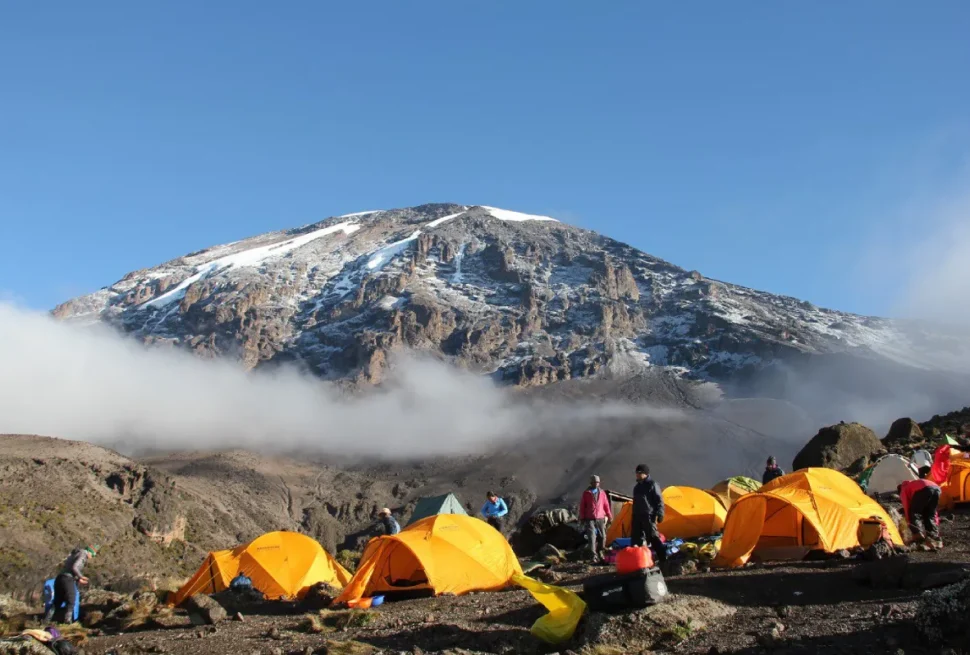
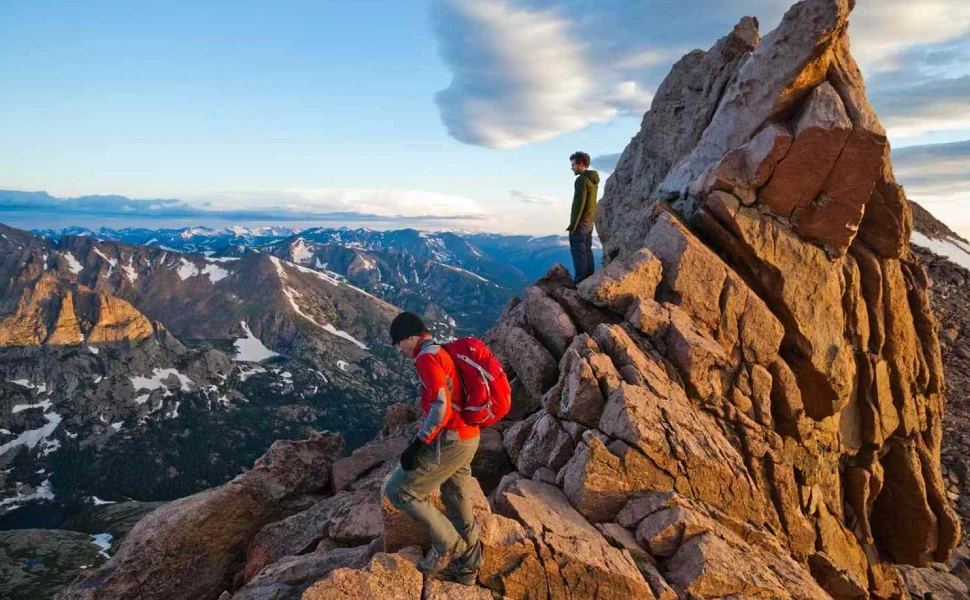
Understanding the terrain helps in choosing the right boots. Lower slopes can be muddy and wet, especially in the rainforest zone. Mid-level sections include rocky trails and dusty paths, while higher elevations are cold and may include snow or ice. Temperatures drop significantly at night and on summit day. Hiking boots must handle moisture, cold, and varied surfaces without losing comfort or support.
Key Features to Look for in Hiking Boots
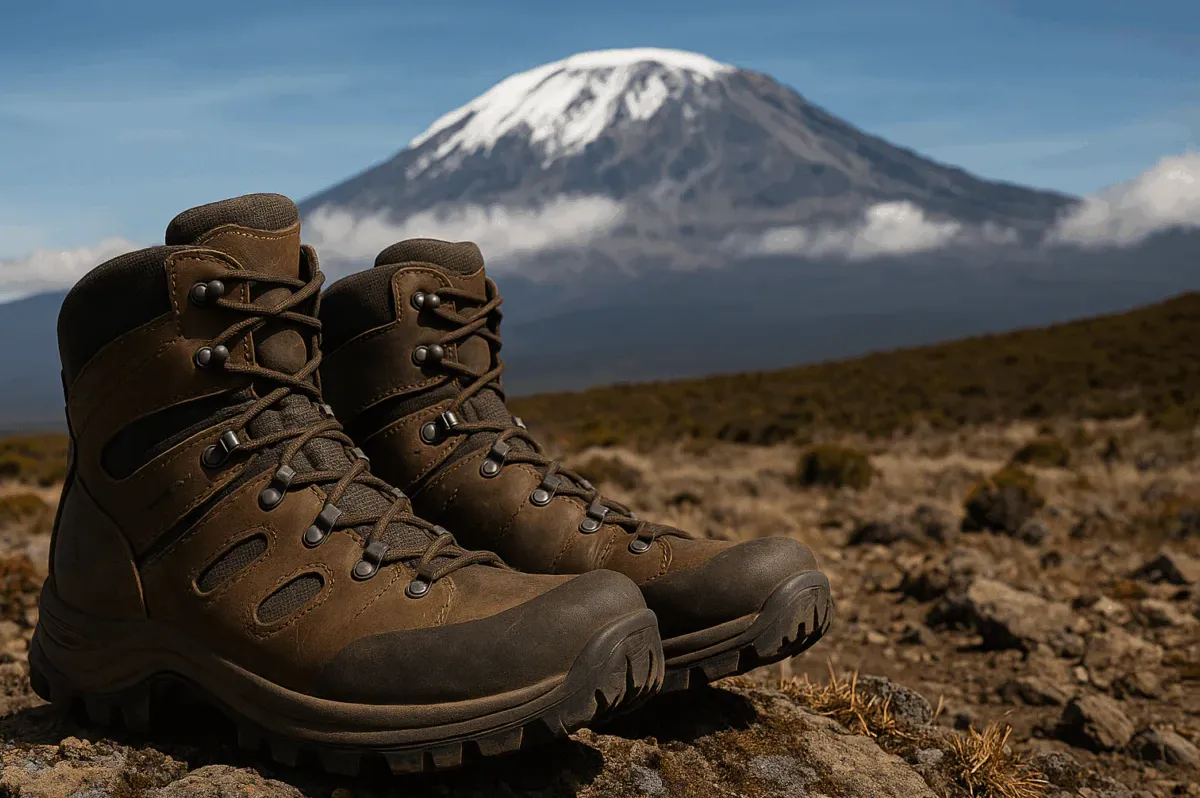
The best hiking boots for Kilimanjaro share several important features. Waterproof protection is essential to keep feet dry in rain and mud. Ankle support helps prevent injuries on uneven terrain, especially during long descents. A sturdy sole with good traction improves grip on loose gravel and rocky paths. Breathability is also important, allowing moisture to escape and reducing discomfort during long hiking days. Boots should be durable enough to withstand daily use over multiple days.
Boot Weight and Flexibility
Boot weight plays a role in overall comfort. Heavy boots offer strong support but may increase fatigue over long distances. Lightweight boots allow easier movement but must still provide adequate protection and stability. A balance between support and flexibility is ideal for Kilimanjaro. Boots should feel comfortable when walking uphill and downhill and should not restrict natural foot movement.
Proper Fit and Sizing
Fit is the most important factor when choosing hiking boots. Boots that are too tight can cause blisters and restrict circulation, while loose boots may lead to instability and foot pain. When trying on boots, wear the same socks you plan to use on the mountain. Ensure there is enough room for toes to move, especially during descents, as feet may swell at altitude. A secure heel fit prevents rubbing and discomfort.
Breaking In Your Hiking Boots
New hiking boots should never be worn for the first time on Kilimanjaro. Breaking in boots before the climb helps soften materials and allows your feet to adjust. Hikers should wear their boots during training hikes, gradually increasing distance and load. This process helps identify pressure points and reduces the risk of blisters during the actual climb.
Socks and Foot Care
Hiking boots work best when paired with proper socks. Moisture-wicking socks help keep feet dry and reduce friction. Wearing liner socks under thicker hiking socks can provide additional comfort. Foot care is also important during the climb. Keeping feet clean, dry, and protected helps prevent blisters and infections, especially during multi-day treks.
Renting vs Bringing Your Own Boots
Some climbers consider renting hiking boots in Tanzania, but this is generally not recommended for Kilimanjaro. Boots that have not been broken in may cause discomfort and increase the risk of injury. Bringing your own well-tested boots ensures proper fit and familiarity, which is especially important for a long and demanding trek like Kilimanjaro.
Final Thoughts
Selecting the best hiking boots for Kilimanjaro is essential for a safe and enjoyable climb. The right boots provide support, protection, and comfort across varied terrain and changing weather conditions. By focusing on fit, durability, waterproofing, and proper break-in, climbers can significantly improve their trekking experience. For Tanzania hiking adventures, investing in quality hiking boots and preparing them properly is one of the smartest steps toward reaching the summit of Mount Kilimanjaro with confidence.