

Tanzania Hiking Guide: How Hard Is It to Climb Mount Kilimanjaro
Climbing Mount Kilimanjaro is one of the most iconic adventures in Tanzania. As Africa’s highest peak at 5,895 meters, it attracts hikers from around the world. Many travelers ask how hard it is to climb Kilimanjaro. While it is a non-technical trek, the challenge comes from a combination of physical endurance, high altitude, and mental stamina. Understanding the factors that affect difficulty can help hikers prepare and improve their chances of a successful summit.
Physical Challenges of Kilimanjaro
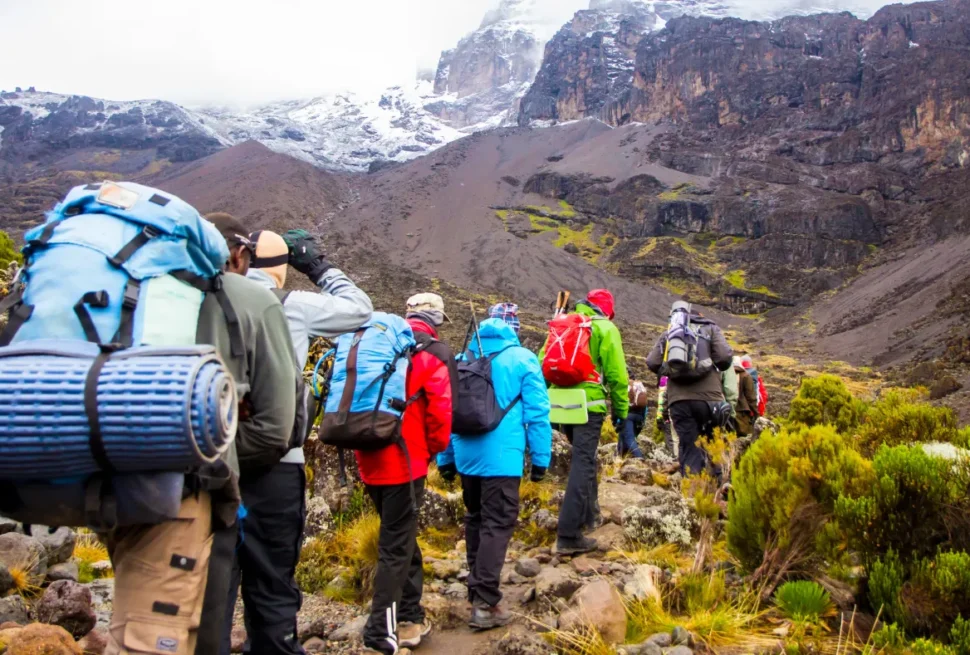
The climb is physically demanding due to long days of trekking over steep and uneven terrain. Hikers must walk for several hours each day, often carrying a backpack with personal items. Key physical challenges include:
- Steep ascents and descents: Some routes involve continuous uphill climbs that can be exhausting.
- Multiple trekking days: Climbers typically spend 5 to 9 days on the mountain, requiring sustained endurance.
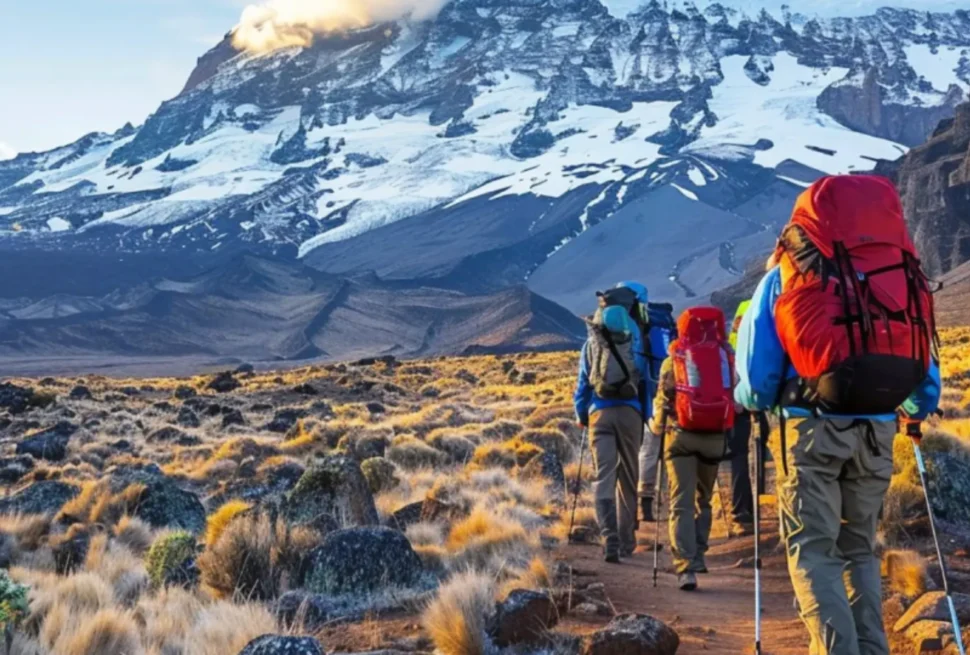
- Changing terrain: Hikers pass through forests, moorlands, alpine deserts, and rocky summits, requiring flexibility and strength.
Physical preparation, including cardiovascular fitness and leg strength, is essential for coping with these demands and reducing fatigue.
Altitude and Oxygen Levels
Altitude is one of the main factors that make Kilimanjaro challenging. As elevation increases, the air contains less oxygen, making it harder to breathe and perform physical tasks. Climbers may experience symptoms of altitude sickness, including headaches, dizziness, nausea, and fatigue. The risk of altitude sickness makes pacing, hydration, and gradual acclimatization critical. Longer itineraries improve acclimatization and reduce the difficulty of reaching the summit.
Mental and Psychological Factors
Climbing Kilimanjaro is also mentally demanding. Hikers face long trekking days, cold temperatures, and the anticipation of the summit push, which often starts before dawn. Mental challenges include:
- Staying motivated despite fatigue
- Coping with discomfort and unpredictable weather
- Maintaining focus during steep or rocky sections
Mental preparation, such as setting small goals, practicing mindfulness, and visualizing success, can help hikers overcome these psychological challenges.
Route Selection and Difficulty
The difficulty of the climb depends on the route chosen. Some routes are longer with gradual ascents, providing more time for acclimatization and making the climb easier. Examples include Lemosho, Machame, and Northern Circuit. Shorter routes have steeper ascents and less acclimatization time, which increases difficulty and risk of altitude sickness. Choosing a route suited to one’s fitness and experience level can make a significant difference in how hard the climb feels.
Importance of Support and Preparation
A professional guide team, porters, and proper equipment significantly reduce the difficulty of the climb. Guides monitor health, adjust pace, and provide support for altitude-related challenges. Porters carry heavy gear, allowing hikers to conserve energy. Adequate clothing, sleeping bags, and nutritious meals also make trekking more manageable. Thorough preparation, including fitness training and proper gear, reduces the perceived difficulty and enhances the overall experience.
Tips for Making the Climb More Manageable
- Train physically for several weeks before the climb
- Choose a longer itinerary for better acclimatization
- Stay hydrated and eat regularly during trekking
- Use trekking poles to reduce strain on knees and legs
- Pace yourself and listen to your guide’s advice
Even experienced hikers find Kilimanjaro challenging, but proper preparation and support make the summit achievable for many beginners.
Final Thoughts
Climbing Mount Kilimanjaro is a rewarding but demanding adventure. The difficulty comes from physical exertion, high altitude, long trekking days, and mental challenges. While it is a non-technical climb, reaching the summit requires preparation, endurance, and determination. By choosing the right route, training in advance, and using professional guides, hikers of varying experience levels can enjoy a safe and unforgettable journey to Africa’s highest peak.