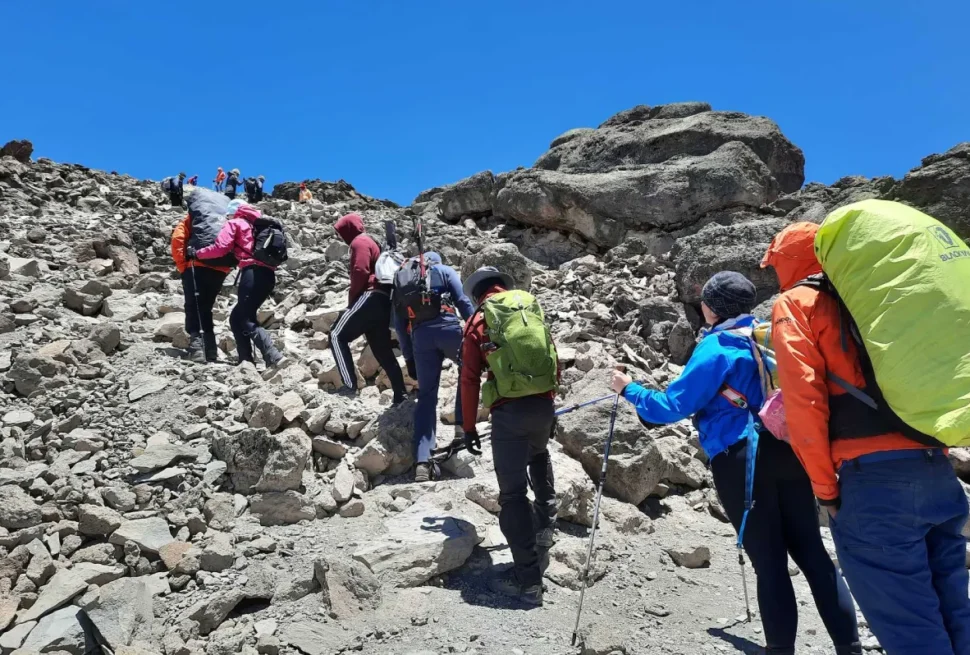

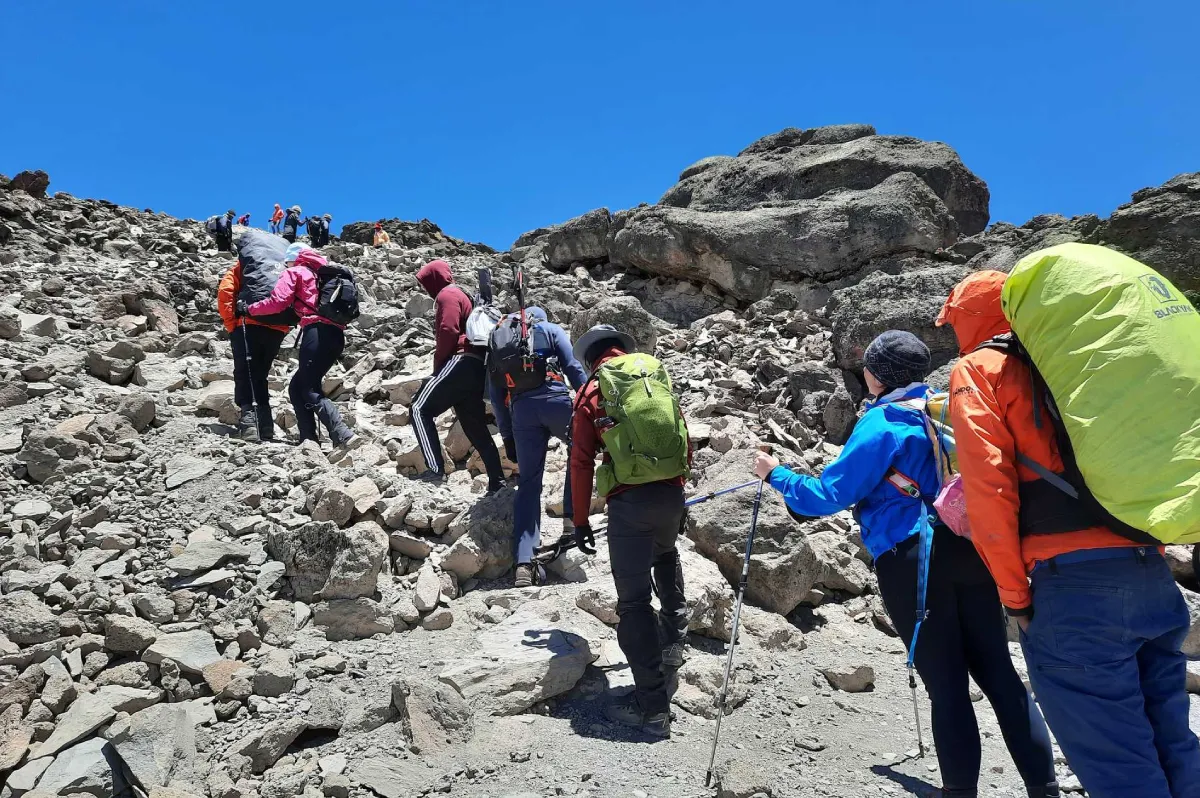
Tanzania Hiking Guide: Fast vs Slow Kilimanjaro Climb
Climbing Mount Kilimanjaro is a life-changing adventure and a major highlight of Tanzania hiking. As the highest mountain in Africa, Kilimanjaro attracts thousands of climbers each year. One of the most important decisions hikers must make before the climb is whether to choose a fast itinerary or a slower, extended route. The pace of ascent has a direct impact on acclimatization, safety, enjoyment, and summit success.
This guide compares fast and slow Kilimanjaro climbs, helping hikers understand the advantages and risks of each approach and choose the best option for their goals.
Understanding Fast and Slow Kilimanjaro Climbs
A fast Kilimanjaro climb usually takes five to six days to reach the summit. These itineraries are designed to minimize time on the mountain and are often chosen by experienced hikers with limited schedules. Slow climbs typically last seven to nine days, allowing gradual altitude gain and better acclimatization.
While both options reach the same summit, Uhuru Peak at 5,895 meters, the journey and outcome can be very different.
Fast Kilimanjaro Climb Explained
Fast climbs are available on routes such as Marangu or Machame with shortened schedules. These itineraries involve longer daily hikes and rapid elevation gain.
The main advantage of a fast climb is time efficiency. Hikers with tight travel plans can complete the climb quickly and reduce overall costs. Some experienced trekkers who have previously acclimatized to high altitude may also feel confident choosing a shorter itinerary.
However, fast climbs come with significant risks. Rapid ascent increases the likelihood of altitude sickness, which can prevent hikers from reaching the summit. Symptoms such as headaches, nausea, and fatigue are more common on short itineraries. Summit success rates on fast climbs are generally lower compared to longer routes.
Slow Kilimanjaro Climb Explained
Slow climbs usually follow routes such as Lemosho, Northern Circuit, or extended Machame itineraries. These routes are carefully designed to increase altitude gradually and include extra acclimatization days.
The biggest advantage of a slow climb is safety. With more time to adjust to altitude, the body adapts better, reducing the risk of altitude sickness. This leads to higher summit success rates and a more comfortable trekking experience.
Slow climbs also allow hikers to enjoy Kilimanjaro’s diverse landscapes. From rainforest and heath zones to alpine desert and glacial summit, the changing scenery becomes part of the journey rather than a rushed challenge.
The main drawback of a slow climb is the higher cost and longer time commitment. However, many hikers consider this a worthwhile tradeoff for increased safety and enjoyment.
Impact on Summit Success Rate
Summit success rates on Kilimanjaro are closely linked to the speed of ascent. Fast climbs typically have success rates ranging from 40 to 60 percent. Slow climbs often achieve success rates above 80 percent, especially on routes like the Northern Circuit.
A slower pace allows climbers to rest, hydrate properly, and respond to altitude-related symptoms before they become serious. This significantly improves the chances of standing on Uhuru Peak.
Which Option Is Best for Tanzania Hiking
For most hikers, especially first-time climbers, a slow Kilimanjaro climb is strongly recommended. Tanzania hiking operators and mountain guides consistently emphasize that slow and steady climbing is the safest way to reach the summit.
Fast climbs may suit highly experienced trekkers who have previously climbed at altitude and understand their limits. Even then, careful monitoring and flexibility are essential.
Tips for Choosing the Right Climb Speed
Choose an itinerary that allows gradual altitude gain
Prioritize safety over speed
Listen to your body and communicate symptoms early
Stay hydrated and maintain a steady walking pace
Select a route known for good acclimatization
Final Thoughts
When comparing fast versus slow Kilimanjaro climbs, the difference comes down to safety, success, and experience. While fast climbs may save time, slow climbs offer better acclimatization, higher summit success rates, and a more enjoyable journey up Africa’s highest mountain.
For Tanzania hiking enthusiasts seeking a memorable and rewarding adventure, choosing a slower Kilimanjaro itinerary is the smartest path to reaching the roof of Africa.