
Lemosho Route Kilimanjaro Guide: Tanzania Hiking Adventure
Mount Kilimanjaro, Africa’s highest peak at 5,895 meters, is a dream destination for hikers and adventure seekers. Among its many routes, the Lemosho Route is often regarded as the most scenic and rewarding, offering excellent acclimatization and a high summit success rate. This guide covers everything you need to know about hiking the Lemosho Route on your Tanzania hiking adventure.
Why Choose the Lemosho Route?
The Lemosho Route begins on the western side of Kilimanjaro and is renowned for:
- Stunning landscapes: Rainforest, moorland, alpine desert, and glacial zones
- Gradual ascent: Reduces the risk of altitude sickness
- Less crowded trails: A more peaceful experience compared to Machame or Marangu
- High summit success rates: Particularly for 7–8 day itineraries
This route is ideal for first-time climbers who want a beautiful, manageable, and safe journey to Uhuru Peak.
Lemosho Route Overview
| Feature | Details |
|---|---|
| Duration | 7–8 days |
| Difficulty | Moderate |
| Accommodation | Camping |
| Scenery | Outstanding, highly diverse |
| Summit Success Rate | Very high |
| Best Season | January–March, June–October |
Lemosho Route Itinerary (Typical 7-Day Trek)
Day 1 – Londorossi Gate to Big Tree Camp
The trek begins at Londorossi Gate, through lush rainforest. Hikers may spot monkeys and exotic birds. The first night is spent at Big Tree Camp.
Day 2 – Big Tree Camp to Shira 1 Camp
Climb through dense forest into open moorland. Views of the Shira Plateau open up as you ascend.
Day 3 – Shira 1 to Shira 2 Camp
A shorter day focused on acclimatization. Hikers traverse volcanic rock and heathland.
Day 4 – Shira 2 Camp to Barranco Camp
Hike across the Shira Plateau, descending slightly into the Barranco Valley. Prepare for the famous Barranco Wall climb.
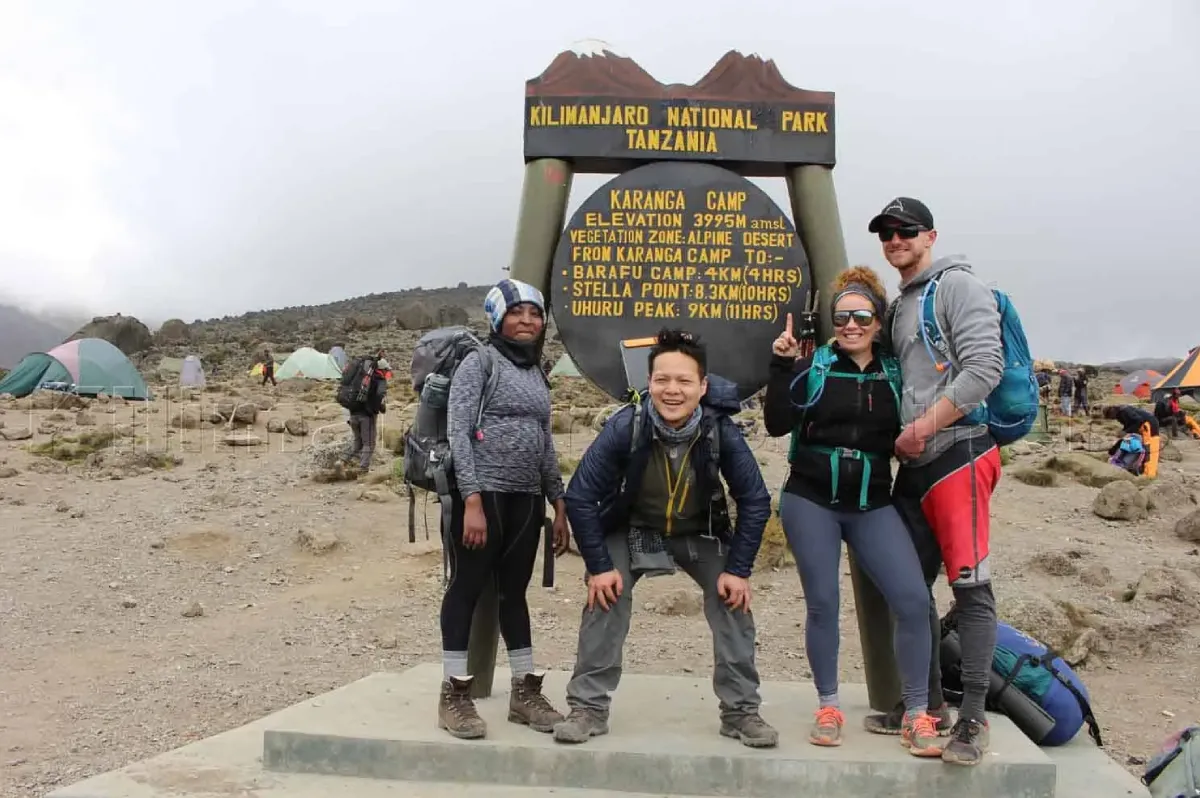
Day 5 – Barranco Camp to Karanga Camp
Climb the Barranco Wall (moderate but challenging) and descend to Karanga Camp, offering beautiful valley views.
Day 6 – Karanga Camp to Barafu Camp
The route transitions to alpine desert. The day is shorter, preparing for the summit attempt.
Day 7 – Summit Day (Barafu to Uhuru Peak) and Descent to Mweka Camp
Start around midnight for the summit push. Hike through alpine desert, reaching Uhuru Peak at sunrise. Descend to Mweka Camp to rest.
Day 8 – Mweka Camp to Mweka Gate
Final descent to the park gate, concluding the trek.
Highlights of the Lemosho Route
- Shira Plateau: Wide volcanic plains with panoramic views
- Barranco Wall: Iconic cliff face offering a sense of adventure
- Diverse ecosystems: From rainforest to glacial zones
- Peaceful trekking experience: Less crowded than Machame or Marangu
Tips for Hiking the Lemosho Route
- Acclimatize properly: Take your time on higher elevation days to avoid altitude sickness.
- Train ahead: Cardiovascular fitness helps on steep sections.
- Pack appropriately: Layered clothing, trekking poles, and a good sleeping bag are essential.
- Stay hydrated: Drink at least 3–4 liters of water per day.
- Hire a guide and porters: Local guides ensure safety and enhance your experience.
Best Time to Hike Lemosho Route
The ideal seasons for Tanzania hiking on Kilimanjaro are:
- January to March: Warm, relatively dry, fewer tourists
- June to October: Cooler and dry, peak climbing season
Avoid April–May and November due to heavy rainfall.
Final Thoughts: Why Lemosho Is a Top Choice
The Lemosho Route combines breathtaking scenery, effective acclimatization, and a higher summit success rate, making it one of the most rewarding ways to climb Kilimanjaro. For first-time hikers or those seeking a memorable Tanzania hiking adventure, Lemosho provides both challenge and beauty in equal measure.