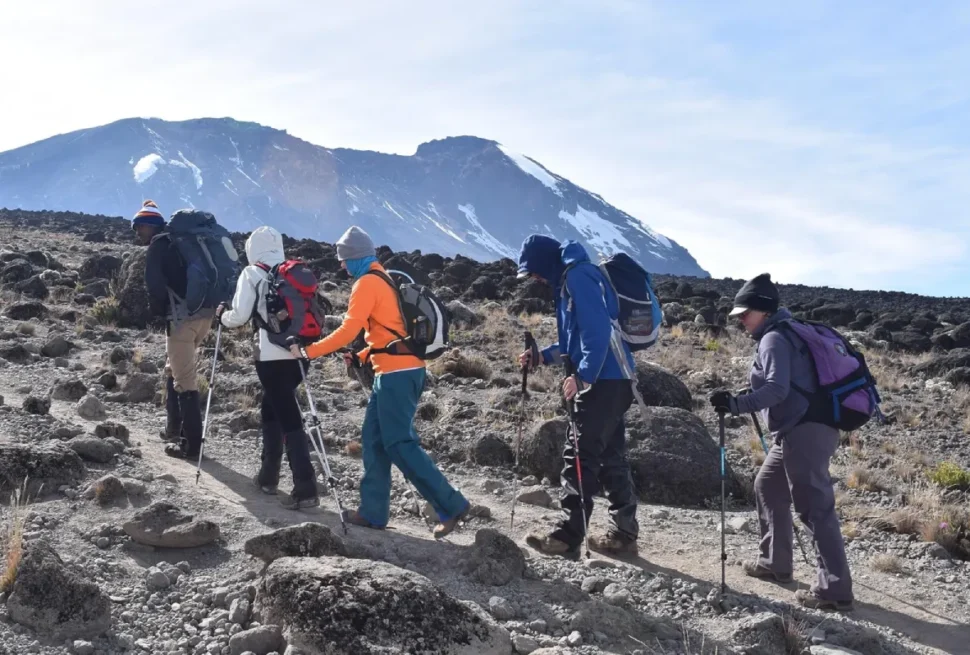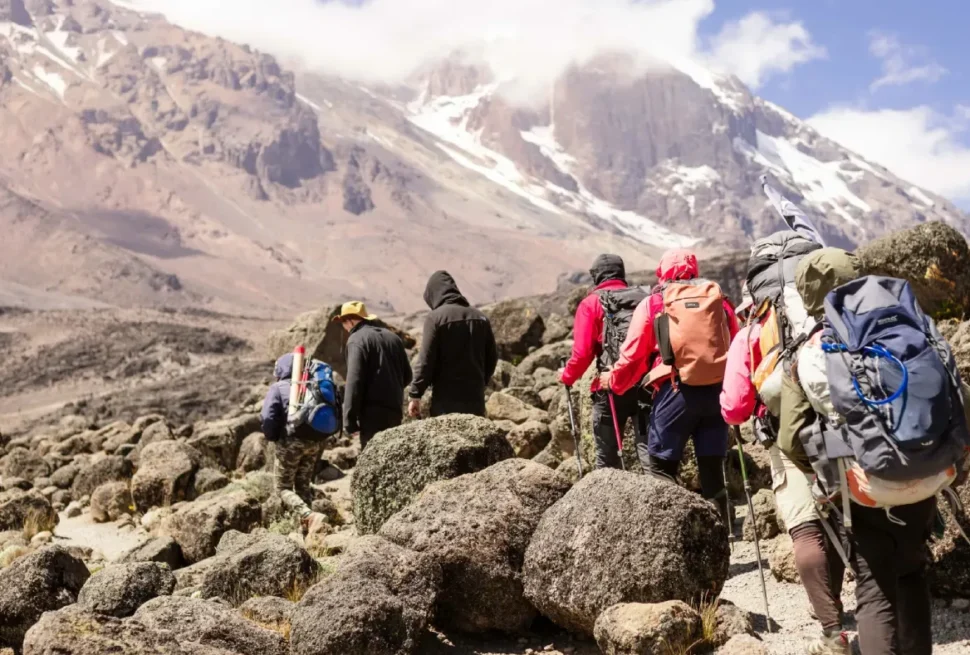

Climbing Mount Kilimanjaro is a physically demanding yet achievable goal for beginners with proper preparation. While technical climbing skills are not required, trekking to nearly 6,000 meters requires endurance, strength, and mental resilience. This guide provides a practical fitness plan to prepare first-time climbers for a safe and successful Kilimanjaro ascent.
Why Fitness Preparation Matters
Even though Kilimanjaro is not a technical climb, the high altitude and long daily treks make physical fitness essential. Being in good shape helps you:
- Improve endurance and stamina for long hiking days
- Reduce fatigue and increase energy levels
- Minimize the risk of altitude-related complications
- Enjoy the climb with confidence and comfort
Key Fitness Components
1. Cardiovascular Endurance
Cardio training strengthens your heart and lungs, which is crucial for coping with lower oxygen levels at high altitude.
Recommended Activities:
- Brisk walking or hiking on varied terrain
- Jogging or running
- Cycling or stationary biking
- Stair climbing or step workouts
Training Tip: Aim for 30–60 minutes of cardio 3–5 times per week.
2. Leg and Core Strength
Strong legs and core muscles help manage steep ascents, descents, and carrying a daypack.
Exercises to Include:
- Squats and lunges
- Step-ups and calf raises
- Planks and side planks
- Deadlifts and kettlebell swings
Training Tip: Incorporate strength training 2–3 times per week, focusing on lower body and core.
3. Hiking-Specific Preparation
Hiking on uneven terrain builds stability and prepares your body for long days on the trail.
Practical Steps:
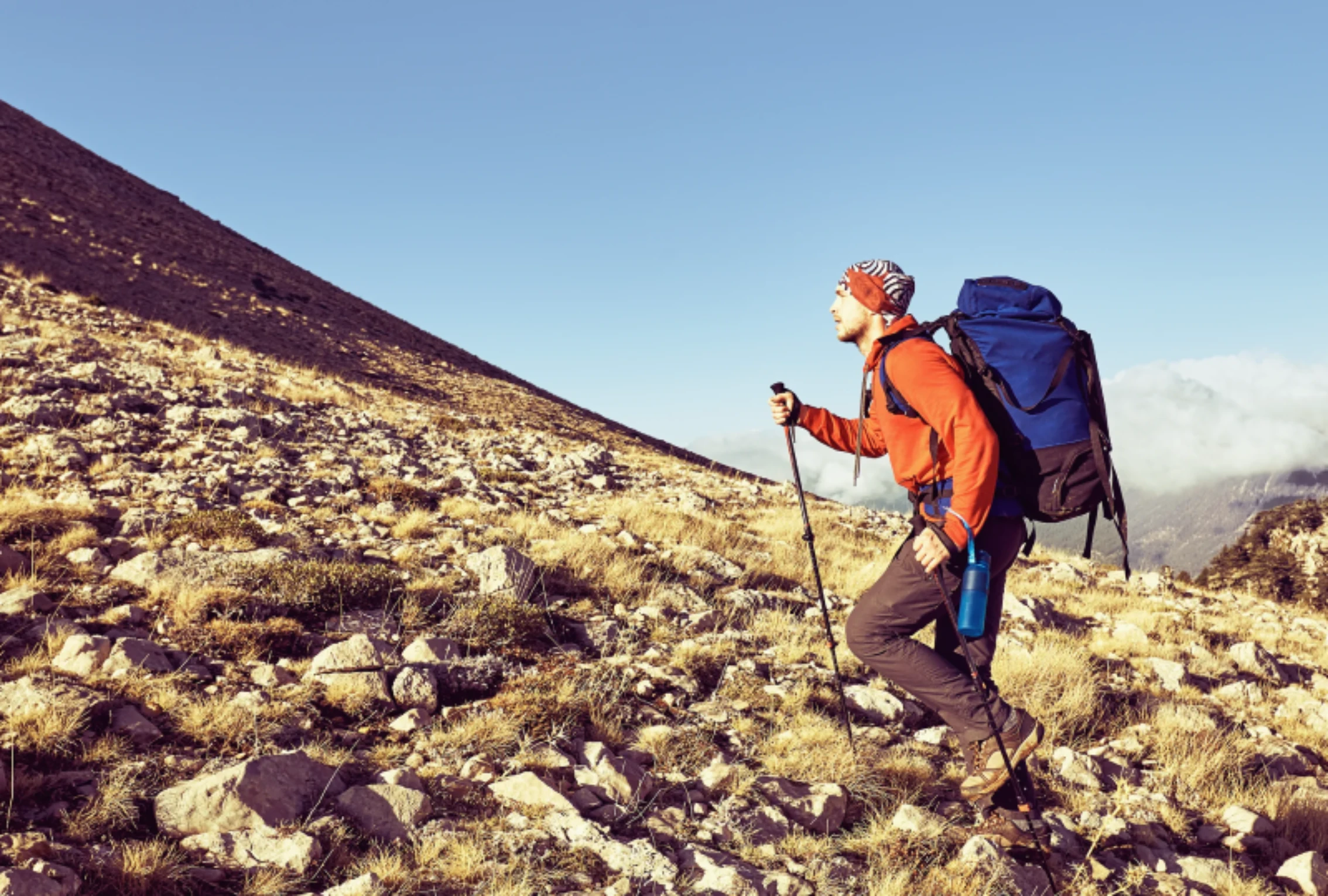
- Practice hiking with a loaded daypack (5–10 kg)
- Hike on hills or trails to simulate Kilimanjaro terrain
- Gradually increase hike duration and elevation gain
Training Tip: Aim for at least one longer hike per week, increasing distance over time.
4. Flexibility and Balance
Flexibility reduces injury risk, while balance improves stability on rocky and uneven paths.
Exercises:
- Stretching routines for hamstrings, calves, and lower back
- Yoga or Pilates for flexibility and balance
- Single-leg exercises and balance drills
5. Mental Preparation
Climbing Kilimanjaro is as much a mental challenge as a physical one.
Tips for Mental Readiness:
- Practice mindfulness and positive visualization
- Train in varying weather conditions to build resilience
- Set realistic goals and pace yourself during hikes
Sample 12-Week Training Plan for Beginners
| Week | Focus | Activity |
|---|---|---|
| 1–4 | Build base fitness | 30–45 min cardio 3x/week, strength training 2x/week, short hikes on weekends |
| 5–8 | Increase endurance | 45–60 min cardio 3–4x/week, strength training 2–3x/week, longer hikes with loaded backpack |
| 9–12 | High-intensity prep | Hike 4–6 hours on varied terrain, include stair climbing, practice summit day pace, maintain strength and cardio |
Consistency is key; gradually increasing intensity reduces the risk of injury and ensures your body adapts to trekking demands.
Additional Tips for First-Time Climbers
- Hydration and Nutrition: Maintain a balanced diet and stay hydrated during training
- Altitude Awareness: Consider training hikes at higher elevations if possible
- Rest and Recovery: Schedule rest days to allow muscles to recover and prevent burnout
- Gear Testing: Break in boots and practice using trekking poles during training hikes
Final Thoughts
Training for Kilimanjaro is essential for beginners to maximize summit success and enjoy the journey safely. Focusing on cardio, strength, hiking-specific preparation, flexibility, and mental readiness ensures that your body and mind are prepared for the challenges of high-altitude trekking.
For personalized Kilimanjaro training programs, trekking itineraries, and expert guidance, contact us:
- Email: info@tanzaniahiking.com
- Call / WhatsApp: +255 752 213 715 / +255 754 557 877
Use the enquiry form below to request a quote and start your Kilimanjaro climb fully prepared with professional support.