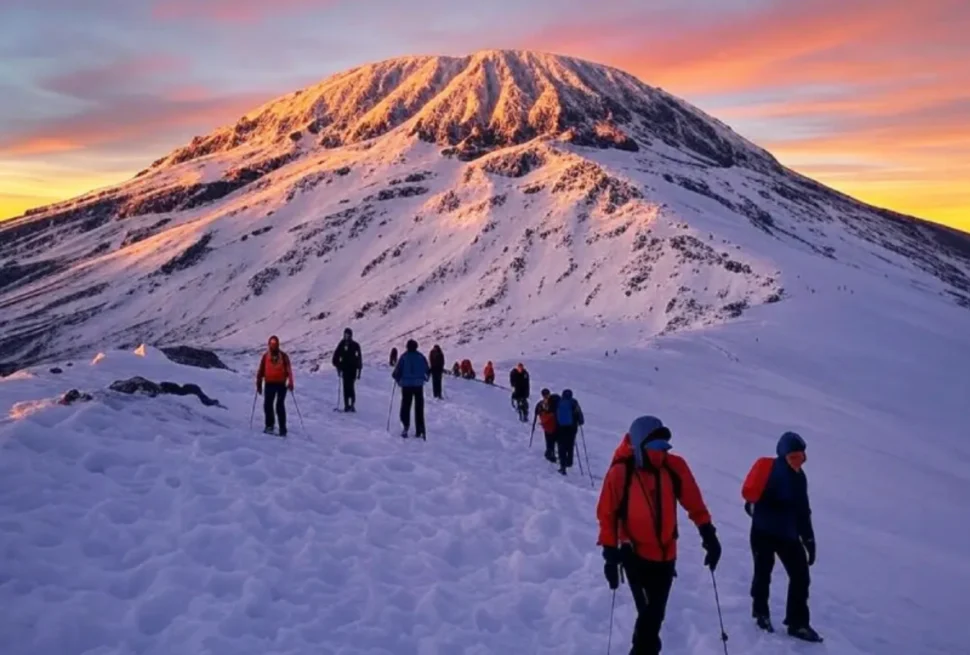

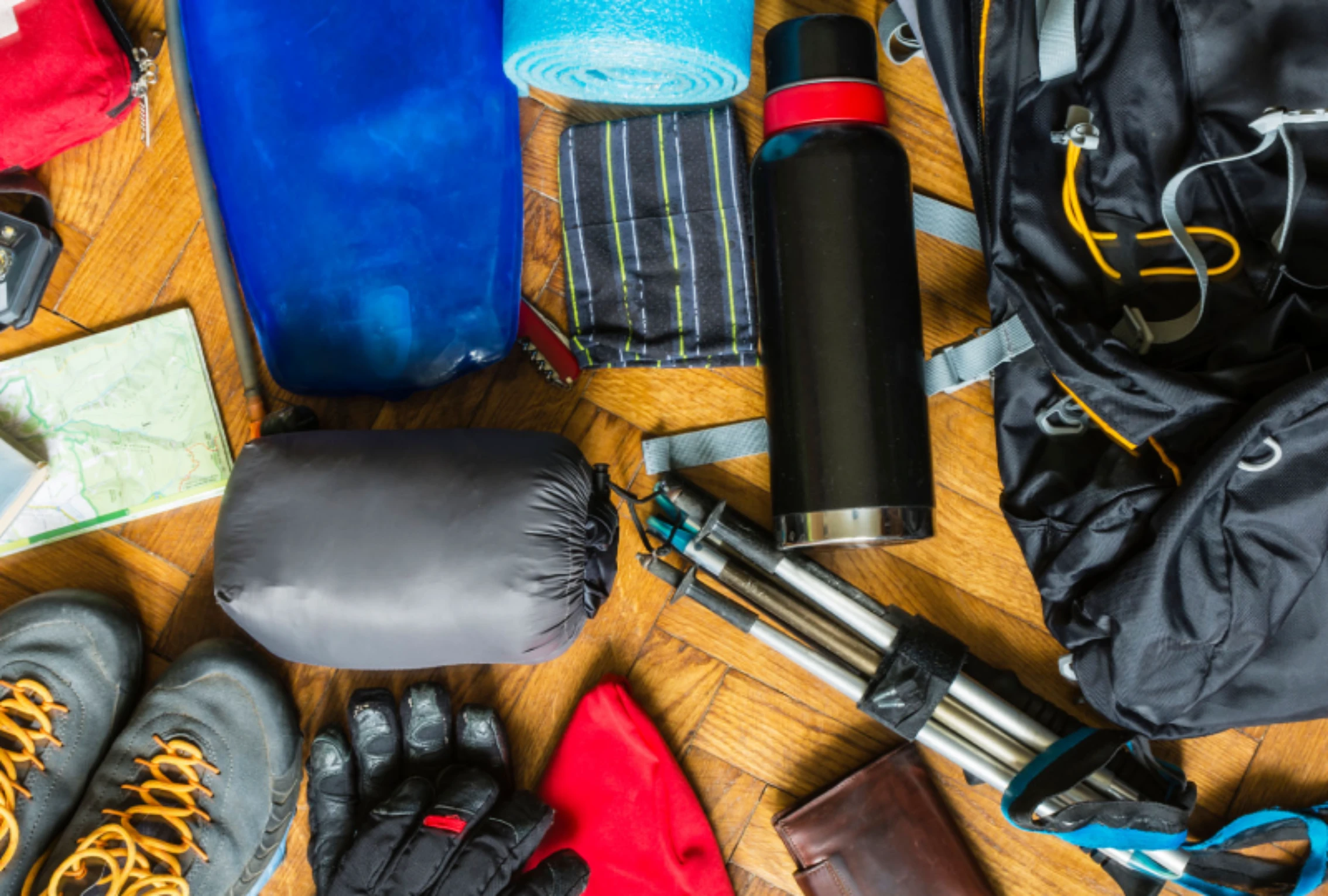
Climbing Mount Kilimanjaro requires careful preparation, and packing the right gear is essential for safety, comfort, and summit success. Even though the climb does not require technical equipment, high altitude, variable weather, and long days on the trail make proper packing a top priority. This guide covers the essential items every hiker and trekker should carry.
Clothing Essentials
Layering is key to managing temperature changes on Kilimanjaro. Recommended clothing includes:
- Base Layers: Moisture-wicking thermal tops and bottoms
- Mid Layers: Fleece or softshell jackets for insulation
- Outer Layer: Waterproof and windproof jacket and pants
- Trekking Pants and Shorts: Lightweight and breathable
- Gloves and Hats: Warm insulated gloves, sun hat, and beanie for summit
- Socks: Thick trekking socks plus liners to prevent blisters
- Gaiters: To protect boots and legs from mud and snow
Footwear
- Hiking Boots: Sturdy, waterproof, and broken-in boots with ankle support
- Camp Shoes/Sandals: Comfortable shoes for evenings at campsites
- Trekking Poles: Adjustable poles to reduce strain on knees and aid stability
Camping and Sleeping Gear
For multi-day treks where camping is required:
- Sleeping Bag: Rated for temperatures as low as -10°C
- Sleeping Pad: For comfort and insulation from the cold ground
- Headlamp or Torch: With extra batteries for night-time use
Most operators provide shared tents, mats, and cooking equipment, but personal sleeping gear ensures comfort.
Accessories and Essentials
- Backpack: 30–40 liters for day packs; larger for personal items
- Hydration System: Water bottles or bladder to carry at least 3 liters
- Sunglasses: UV protection for high-altitude sun exposure
- Sunscreen and Lip Balm: SPF 30+ to protect from sun and wind
- Snacks and Energy Bars: Quick energy for long days
- Personal Hygiene: Biodegradable wipes, hand sanitizer, toothbrush
Safety and Health Items
- First Aid Kit: Include painkillers, blister care, and altitude sickness medication if advised
- Water Purification: Tablets or filters if not provided
- Trekking Permit and ID: Required for park entry
Optional but Useful Items
- Camera or Smartphone: To capture summit and scenic views
- Travel Towel: Lightweight, quick-drying towel for camps
- Notebook or Journal: To record your adventure
Packing Tips
- Pack Light but Efficiently: Focus on essentials to avoid unnecessary weight
- Layer Strategically: Temperature varies from rainforest to alpine desert
- Waterproof Bags or Dry Sacks: Protect clothing and electronics from rain and snow
- Test Gear Before the Trek: Ensure boots and clothing are comfortable and reliable
Final Thoughts
Proper packing is critical for a safe and enjoyable Kilimanjaro climb. Bringing the right clothing, footwear, camping gear, and essentials will help you handle varying weather, high-altitude conditions, and long trekking days.
For personalized Kilimanjaro packing advice, guided programs, and trekking support, contact us:
- Email: info@tanzaniahiking.com
- Call / WhatsApp: +255 752 213 715 / +255 754 557 877
Use the enquiry form below to request a quote and get a detailed checklist tailored to your Kilimanjaro trek.