
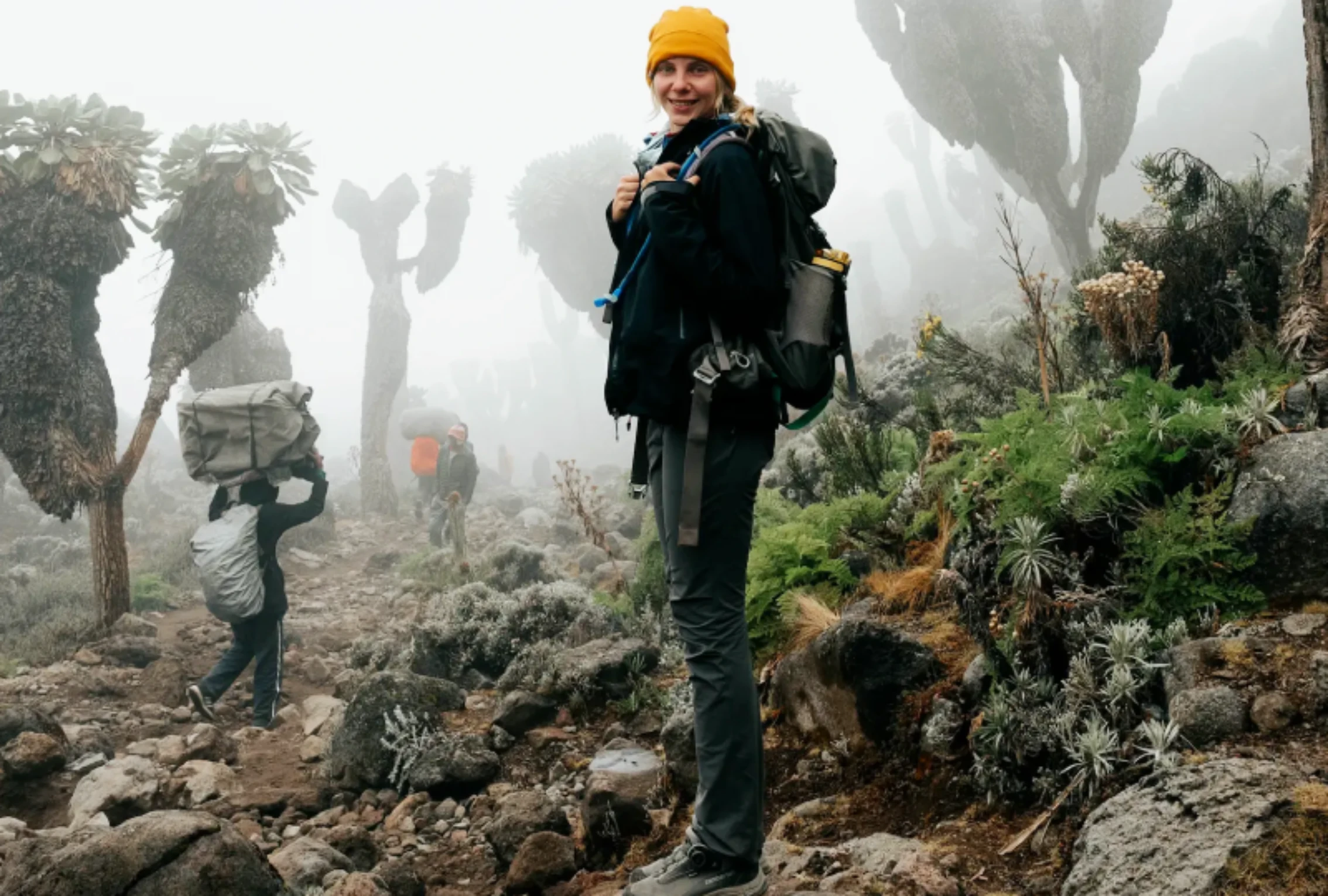
Mt Kilimanjaro climbing, trekking, and hiking tours attract travelers from all over the world who want to experience Africa’s highest mountain in a safe and well-organized way. Rising to 5,895 meters above sea level, Mount Kilimanjaro is a trekking mountain that does not require technical climbing skills, making it accessible to beginners with proper preparation. This complete planning guide explains routes, timing, fitness requirements, packing, and safety, helping you plan a successful Kilimanjaro adventure with confidence.
Where Is Mount Kilimanjaro Located?
Mount Kilimanjaro is located in northern Tanzania, close to the Kenya border. The mountain lies within Kilimanjaro National Park and is surrounded by diverse ecosystems, including rainforest, heathland, alpine desert, and an arctic summit zone. Most climbs start from the Moshi or Arusha area, which are well-connected by road and air.
Climbing vs Trekking vs Hiking on Kilimanjaro
Although often used interchangeably, these terms describe different experiences on the mountain:
- Hiking usually refers to lower-altitude walks on the mountain’s foothills or short day hikes.
- Trekking describes the multi-day routes to the summit, involving gradual ascent and camping or hut accommodation.
- Climbing is commonly used to describe the full summit experience, even though no technical climbing equipment is required.
All summit routes fall under trekking, supported by guides and porters.
Best Kilimanjaro Routes to Choose
Machame Route
Known for scenic landscapes and good acclimatization opportunities. It is one of the most popular routes and suitable for first-time climbers with adequate fitness.
Lemosho Route
A longer and quieter route with a gradual ascent. It offers higher success rates and is highly recommended for beginners who want better acclimatization.
Marangu Route
The only route with hut accommodation. It is shorter and more direct, but the faster ascent makes acclimatization more challenging.
Rongai Route
Approaches the mountain from the north and is drier during rainy seasons. It is less crowded and suitable for climbers seeking a quieter experience.
How Many Days Do You Need?
For most climbers, 7 to 9 days is ideal. Longer itineraries allow better acclimatization and significantly improve summit success rates. Shorter programs are possible but are not recommended for beginners due to altitude risks.
Best Time to Climb Mount Kilimanjaro
The best seasons for Kilimanjaro trekking and hiking tours are January to March and June to October. These months offer more stable weather and clearer trails. While climbing is possible year-round, rainy periods can make conditions more demanding, especially for first-time visitors.
Fitness and Training Requirements
You do not need technical climbing skills, but you should be physically prepared. Recommended training includes:
- Regular walking or hiking
- Hill or stair training
- Light strength and endurance exercises
Consistency in training is more important than intensity. Mental preparation and patience also play a major role at high altitude.
Altitude and Acclimatization
Altitude is the main challenge on Kilimanjaro. Symptoms such as headache, fatigue, or nausea can occur if ascent is too fast. To improve acclimatization:
- Choose longer routes
- Walk slowly and steadily
- Drink enough water
- Follow your guide’s advice at all times
Good acclimatization is the single most important factor for reaching the summit safely.
What to Pack for Kilimanjaro Tours
Essential items include sturdy hiking boots, layered clothing, a waterproof jacket, warm insulation, gloves, a hat, and a quality sleeping bag. Most guided tours provide tents, meals, and safety equipment, while personal gear must be brought by the climber.
Guides, Porters, and Safety Standards
All Kilimanjaro climbing tours must be conducted with licensed guides. Guides monitor pace, health, and safety, while porters carry supplies and equipment. Choosing a reputable local operator ensures fair porter treatment, proper safety standards, and a well-managed climb
What to Expect on Summit Day
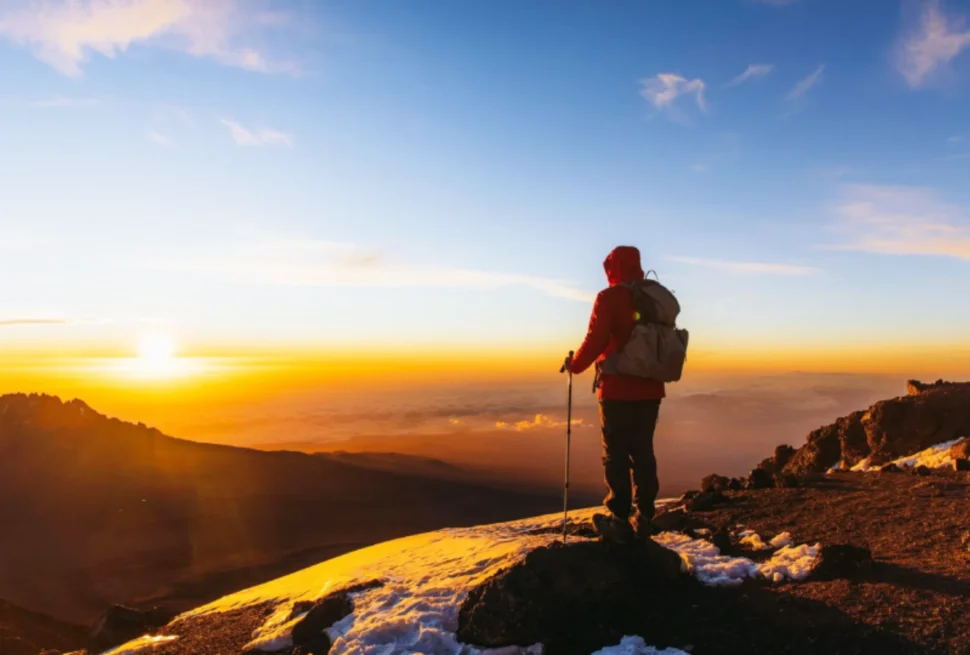
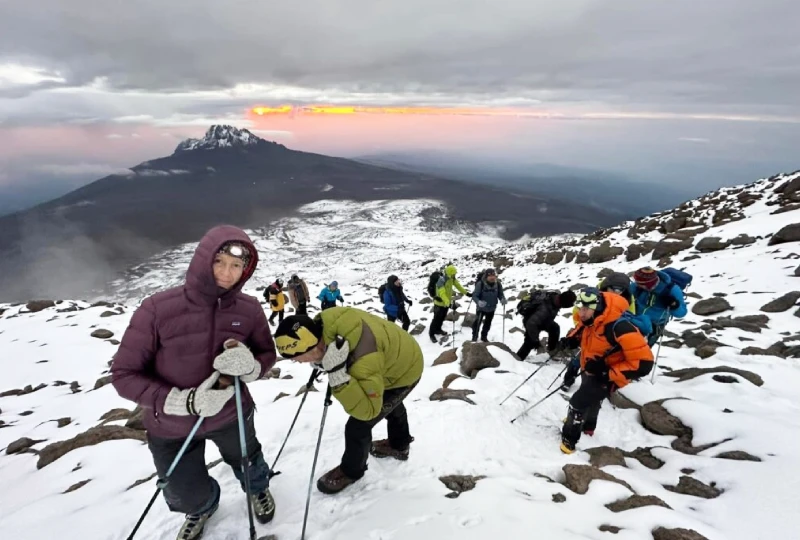
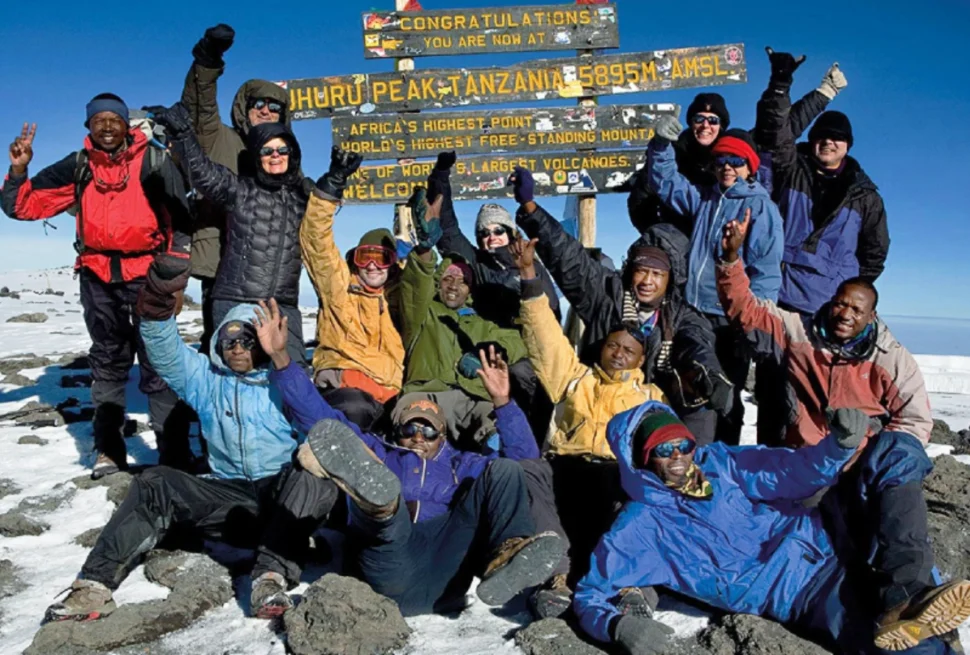
Summit day begins very early, often around midnight. The pace is slow and steady as you climb in cold conditions toward Uhuru Peak. Although it is the most demanding day, reaching the summit at sunrise is a rewarding highlight of the entire journey.
Final Planning Tips
Successful Mt Kilimanjaro climbing and trekking tours depend on proper planning, realistic expectations, and professional support. Choosing the right route, allowing enough days, and preparing both physically and mentally will greatly increase your chances of a safe and enjoyable climb.
For detailed Kilimanjaro climbing programs, route selection advice, and complete tour arrangements, contact us:
- Email: info@tanzaniahiking.com
- Call / WhatsApp: +255 752 213 715 / +255 754 557 877
Use the enquiry form below to request a quote and start planning your Mount Kilimanjaro climbing, trekking, and hiking tour with experienced local specialists.