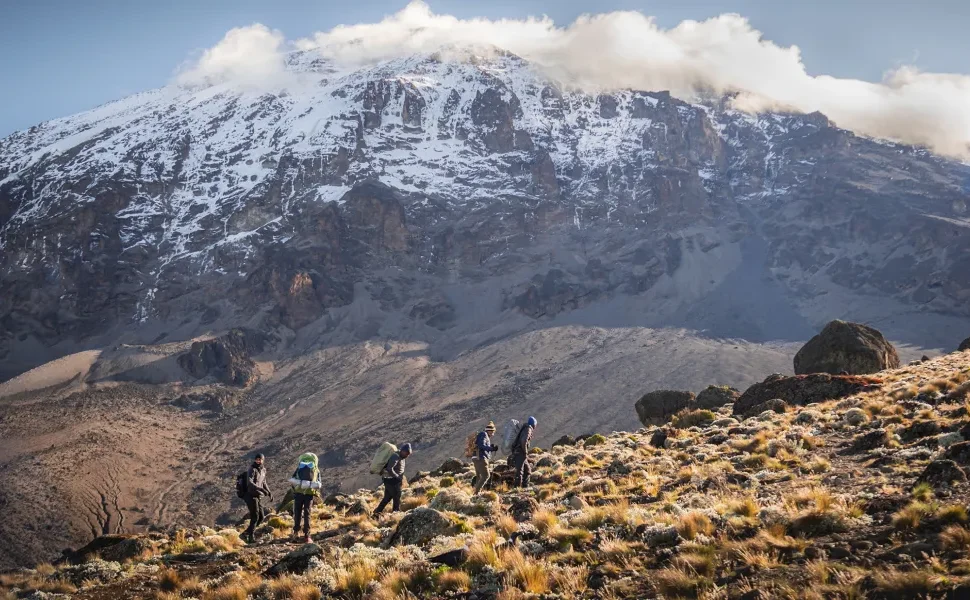

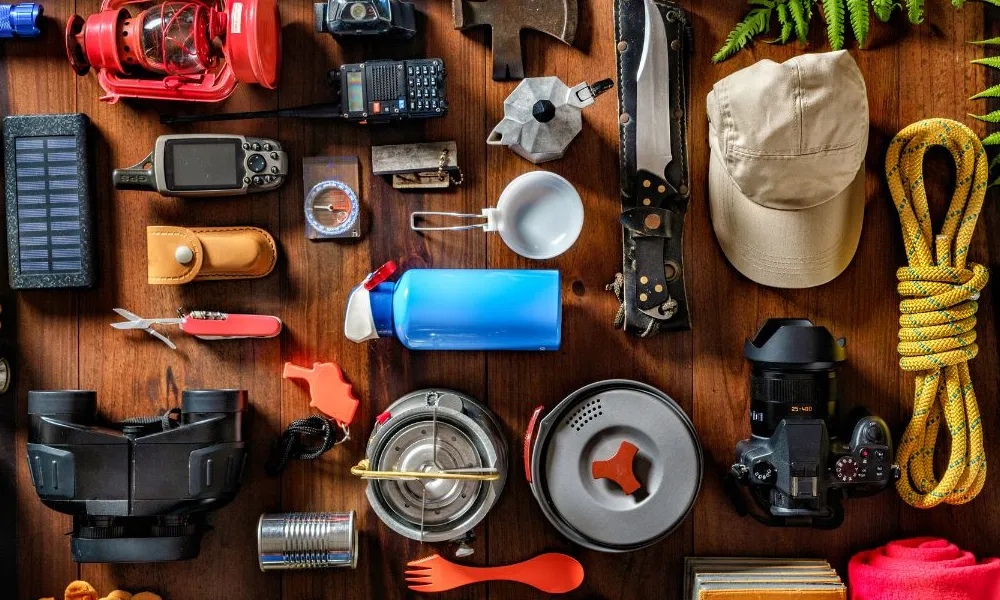
High‑altitude hiking, such as climbing Mount Kilimanjaro or Mount Meru in Tanzania, demands the right gear for comfort, safety, and performance. Choosing quality equipment tailored to cold temperatures, changing weather, and long trekking days can make a huge difference in your experience and success.
This guide from Tanzania Hiking breaks down the essential gear you need for high‑altitude hikes in 2026 and beyond.
Clothing Essentials
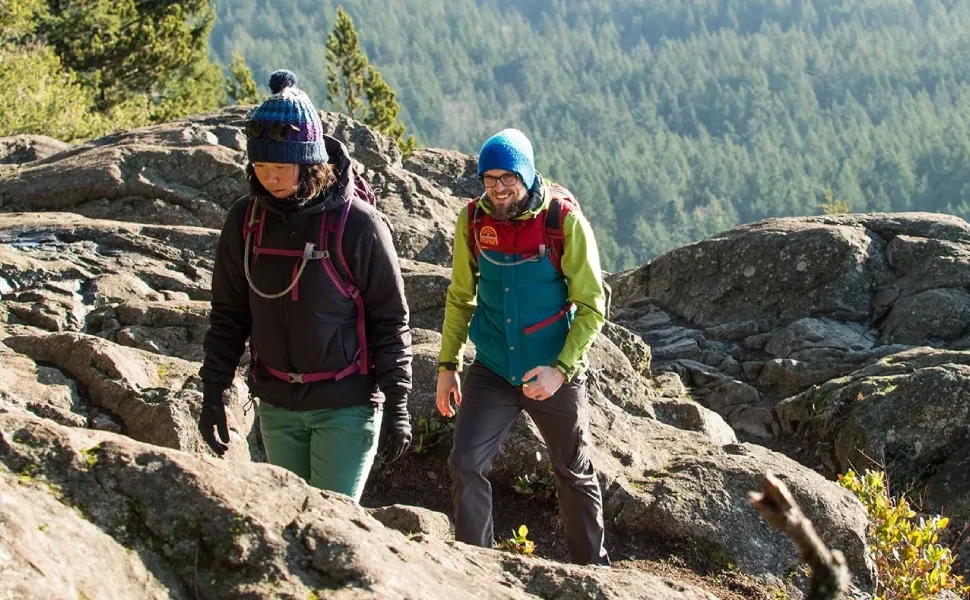
High‑altitude environments have dramatic temperature changes from warm forests at lower levels to freezing summit conditions. Layering is the key.
Base Layers
- Moisture‑wicking thermal tops and bottoms
- Lightweight long sleeve shirts
Mid Layers
- Fleece or insulated jacket
- Lightweight down jacket for colder days
Outer Layers
- Waterproof and windproof jacket and pants (Gore‑Tex or similar)
- Insulated jacket for summit nights
Accessories
- Warm hat and balaclava
- Neck gaiter or buff
- Warm gloves and waterproof outer gloves
- Sunglasses with UV protection
Good layering lets you adjust your clothing to changing conditions throughout the hike.
Footwear
Proper footwear is one of the most important investments for high‑altitude hikes.
Hiking Boots
- Waterproof and breathable hiking boots
- Ankle support is highly recommended
- Break them in before your trek
Socks
- Wool or synthetic hiking socks
- Multiple pairs for rotation
Optional
- Gaiters to keep mud, snow, and debris out of your boots
- Camp shoes or sandals for evenings and rest days
Sleeping Gear
Even if your operator provides some equipment, know what you need:
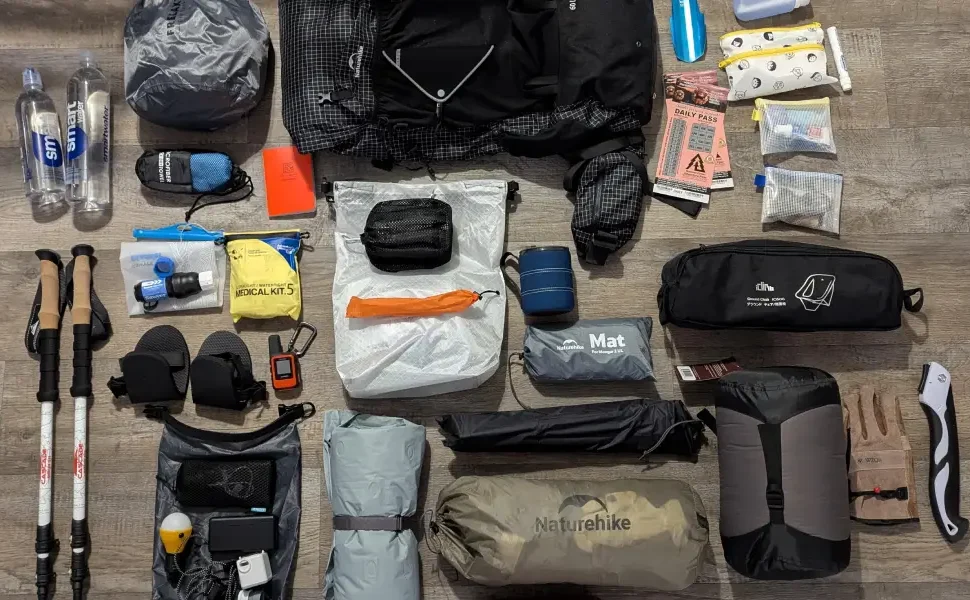
- Sleeping bag rated for at least ‑10°C to ‑20°C (depending on season)
- Sleeping mat or insulated pad for warmth and comfort
- Pillow or inflatable cushion (optional but comfortable)
A quality sleeping bag and mat make a big difference at high altitudes, where temperatures drop sharply at night.
Trekking Accessories
These items help you stay comfortable and safe on long trail days:
- Trekking poles: Reduce strain on knees and help balance on uneven terrain
- Headlamp with extra batteries: Essential for early morning or summit night hikes
- Hydration system or water bottles (3–4 liters): Staying hydrated is key at high altitude
- Water purification tablets or filter (optional): Useful if refilling from natural sources
- Sunscreen (SPF 50+) and lip balm: High altitudes have stronger UV exposure
- First aid kit: Blister care, pain relievers, altitude medication (if advised), bandages
Backpack Essentials
Your daypack should be comfortable and big enough to carry daily essentials:
- 20–30 liter daypack
- Dry bags or cubes to organize gear
- Snacks (nuts, energy bars, trail mix)
- Personal items (passport, cash, camera, spare batteries)
Pack light but smart your main luggage is usually carried by porters.
Technical Optional Gear
These items are not mandatory but add comfort and convenience:
- Hand warmers: Great for summit night
- Trekking GPS or altimeter watch: For data and pacing
- Camera or action camera: For documenting your adventure
- Notebook or journal: To record your trekking memories
Gear Tips from Tanzania Hiking
- Invest in quality: High altitude and unpredictable weather demand reliable equipment.
- Test before trek: Break in boots and test sleeping gear before departure.
- Layer smart: Adjust layers frequently rather than carrying heavy individual items.
- Pack with purpose: Each item should have a clear function for comfort or safety.
Climb with Tanzania Hiking
At Tanzania Hiking, we help trekkers prepare with expert packing advice and gear recommendations. Our experienced guides monitor weather, terrain, and altitude conditions to keep your climb safe and successful.
For bookings and inquiries:
- Email: info@tanzaniahiking.com
- WhatsApp: +255 752213715 / +255754557877
Request a Quote
Fill out the form below to request a personalized 2026 trekking quote. Tell us your preferred mountain, travel dates, and group size. Our team will provide a detailed itinerary, pricing, and gear advice tailored to your climb.