
Climbing Mount Kilimanjaro, Africa’s highest peak at 5,895 meters (19,341 feet), is a life-changing adventure. While it is a non-technical climb, the journey from the tropical forests at the base to the icy summit is physically demanding and mentally rewarding. At Tanzania Hiking, we guide trekkers through the full Kilimanjaro experience, ensuring safety, comfort, and a high chance of reaching Uhuru Peak.
Here’s what you can expect when climbing Mount Kilimanjaro.
Day-to-Day Trekking Experience
1. Arrival and Preparation
Most climbs start in Arusha or Moshi. This day is for checking gear, meeting guides, and reviewing safety procedures. Proper preparation ensures you are ready for the high-altitude trek ahead.
2. Hiking Through the Rainforest
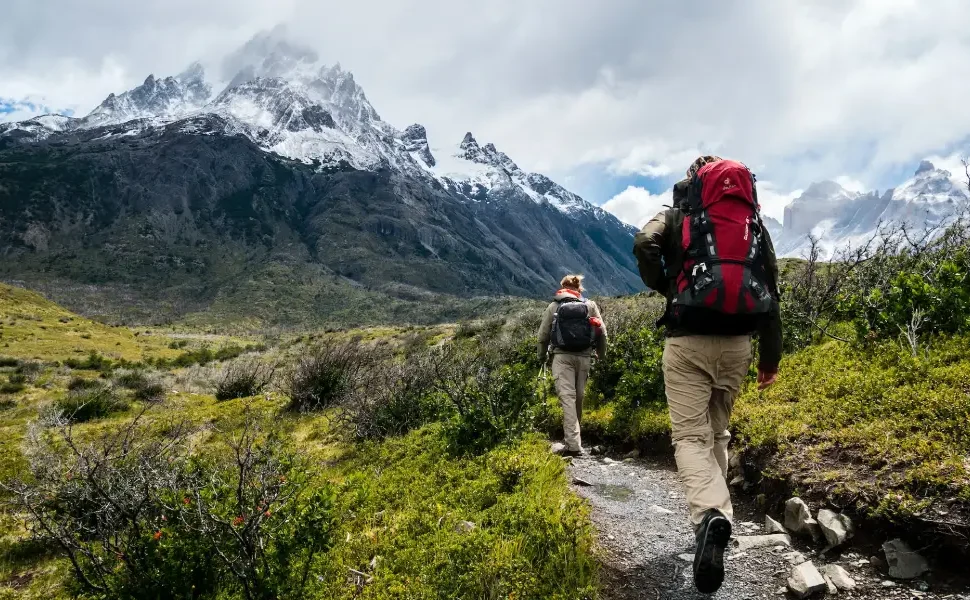
The first days of your climb pass through lush tropical forests. Expect humid conditions, rich vegetation, and wildlife such as monkeys and birds. Trails are shaded, and walking at a steady pace helps your body adjust to the increasing altitude.
3. Moorland and Alpine Desert
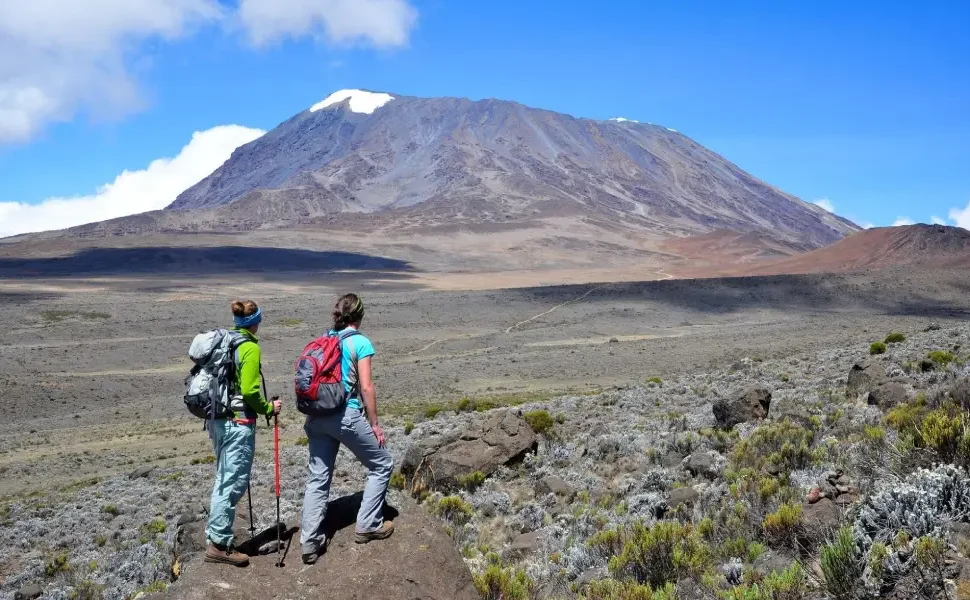
As you ascend, the forest gives way to moorlands and alpine desert. Temperatures drop, and the landscape becomes more barren and rocky. You’ll encounter giant lobelias, unusual plants, and sweeping mountain views.
4. Summit Night
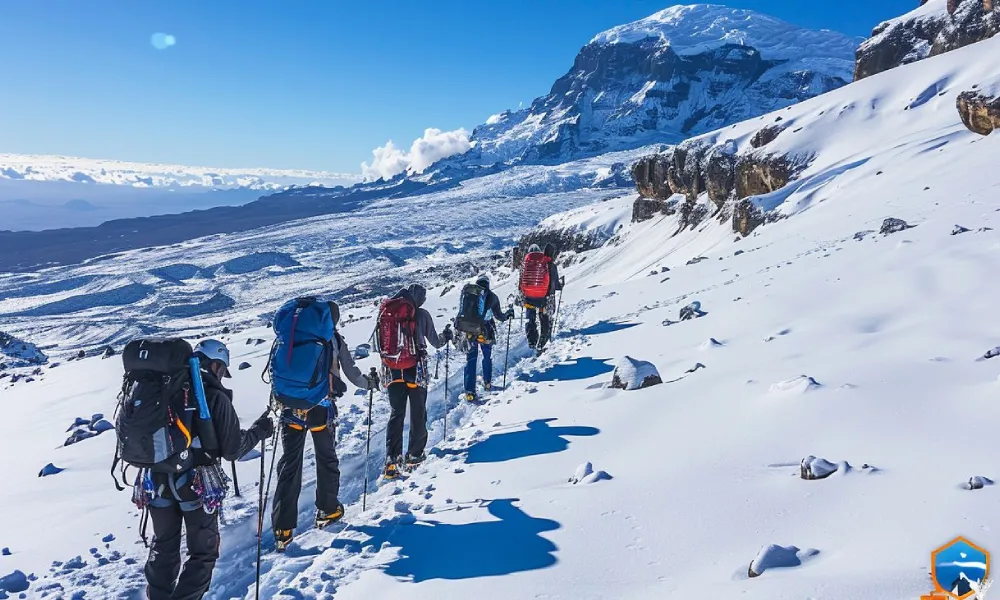
The summit night is the most challenging part of the trek. Climbers typically wake around midnight to begin the ascent. Temperatures can drop below -10°C, and oxygen levels are low. A slow, steady pace (“pole pole”) is crucial for reaching Uhuru Peak safely.
5. Reaching Uhuru Peak
After several hours of strenuous hiking, you will reach the summit at sunrise. Expect incredible panoramic views, frozen landscapes, and a sense of accomplishment that is hard to match. Many trekkers describe it as a once-in-a-lifetime experience.
6. Descent
The descent is usually quicker but requires careful attention to avoid slips on loose volcanic rocks. Descending through the alpine desert and moorland is an opportunity to enjoy the scenery in reverse and reflect on your achievement.
Physical and Mental Challenges
- Altitude: The higher you climb, the thinner the air. Altitude sickness is a common challenge. Proper acclimatization and hydration are key.
- Weather: Kilimanjaro presents four climate zones, from humid forests to icy summit conditions. Be prepared for rapid temperature changes.
- Endurance: Trekking 4–7 hours daily, plus summit night, requires good fitness and stamina.
- Mental Strength: Staying motivated during long summit nights and cold conditions is essential.
Tips for a Successful Climb
- Choose longer itineraries (7–9 days) for better acclimatization
- Walk slowly and maintain a steady pace
- Drink plenty of water (3–4 liters per day)
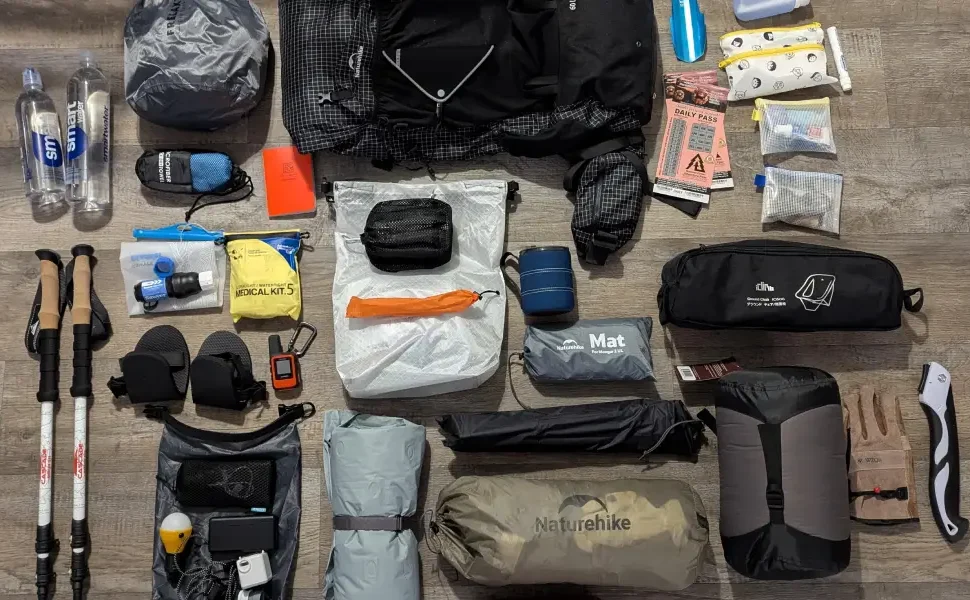
- Bring layered clothing suitable for all climate zones
- Rely on professional guides to monitor health and pace
Climb Kilimanjaro Safely with Tanzania Hiking
Tanzania Hiking ensures every climber has a safe and enjoyable experience. Our experienced guides monitor your health, provide support, and handle logistics from start to finish.
- For bookings and inquiries:
- Email: info@tanzaniahiking.com
- WhatsApp: +255 752213715 / +255754557877
Request a Quote
Fill out the form below to request a personalized 2026 Kilimanjaro climbing quote. Share your preferred route, travel dates, and group size. Our team will provide a detailed itinerary, pricing, and guidance tailored to your needs.