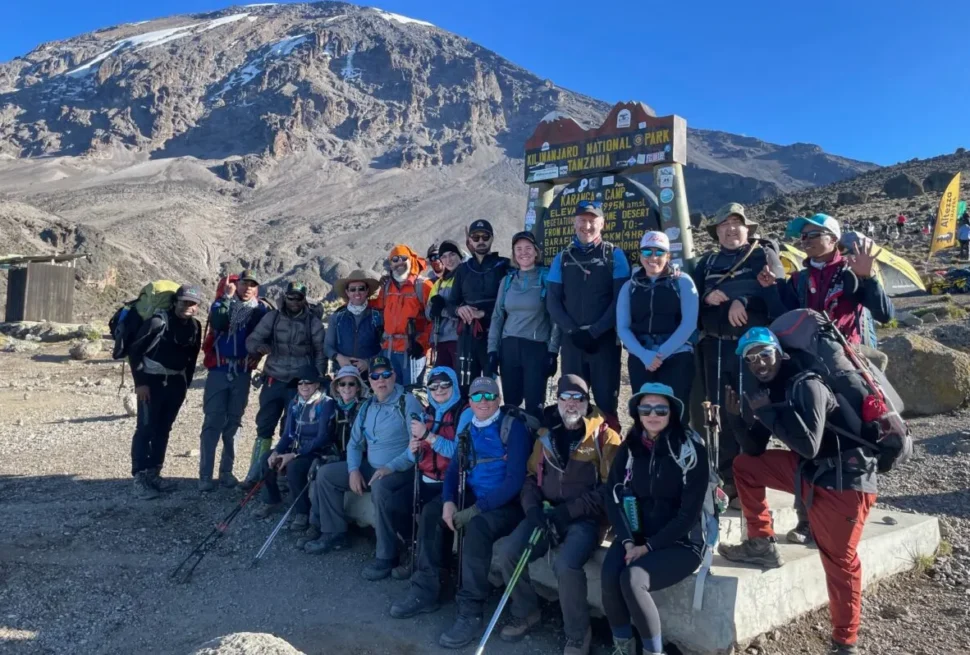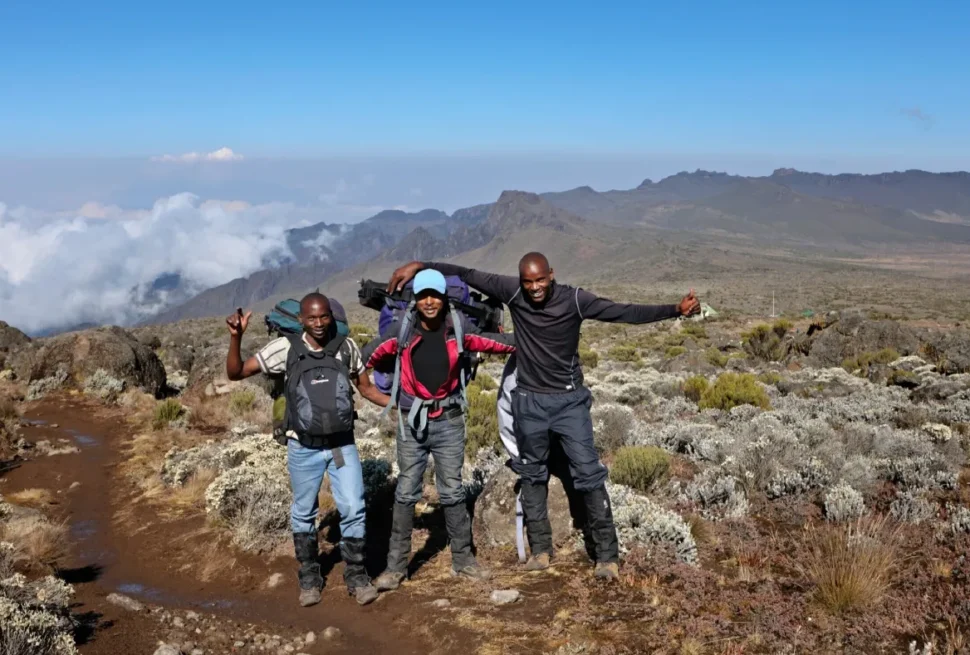

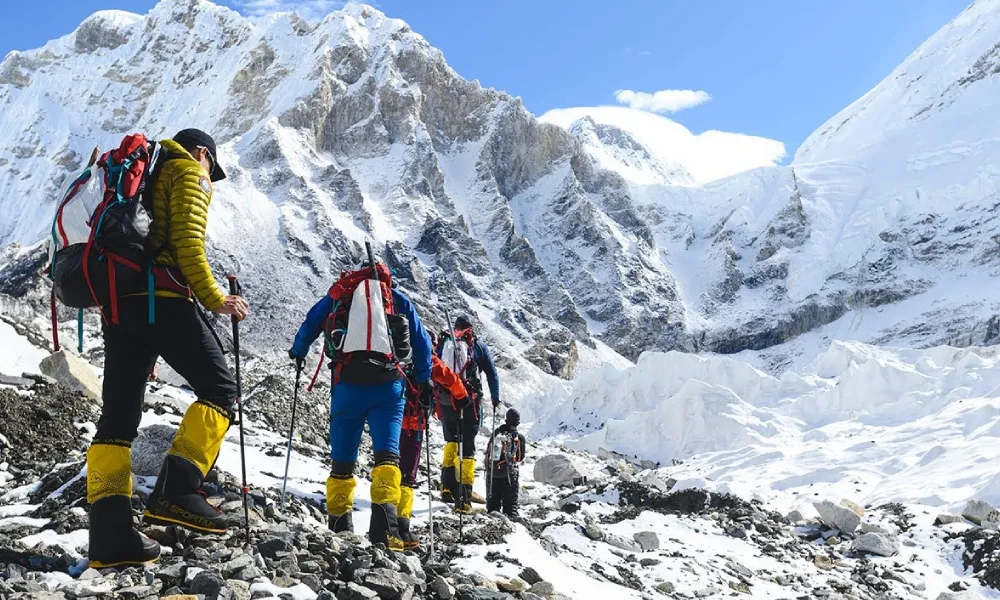
Climbing Mount Kilimanjaro is one of the most iconic adventures in Africa. At 5,895 meters (19,341 feet), Africa’s highest peak can be reached by trekking, without technical climbing skills. Many trekkers wonder: “Which is harder: Kilimanjaro or Everest Base Camp?”
This guide breaks down the key differences so you can decide which adventure is right for you.
Key Differences Between Kilimanjaro and Everest Base Camp
| Feature | Mount Kilimanjaro | Everest Base Camp |
|---|---|---|
| Highest Point | 5,895 m (19,341 ft) | 5,364 m (17,598 ft) |
| Type of Trek | Single continuous climb | Multi-day trek to base camp (non-summit) |
| Technical Difficulty | Non-technical trekking | Non-technical trekking, some rough terrain |
| Duration | 5–9 days | 12–14 days |
| Altitude Challenge | Rapid ascent; risk of altitude sickness | Gradual ascent; lower risk than Kilimanjaro summit |
| Physical Demand | Shorter but steeper and intense | Longer but less steep; endurance over many days |
| Weather | Tropical base to alpine summit; very cold at top | Himalayan climate; cold, dry, unpredictable weather |
| Support | Professional guides, porters, camping or huts | Lodges or teahouses; minimal crew support |
| Summit | Reach Africa’s highest point | Trek stops at base camp; no summit |
Why Kilimanjaro Feels Harder
- Rapid Ascent: Climbers reach nearly 5,900 m in 5–9 days, giving the body less time to acclimatize.
- Altitude Sickness Risk: Oxygen levels drop significantly near the summit. Proper pacing is crucial.
- Physical Intensity: Daily hikes are steep, especially on summit night (midnight to sunrise).
- Extreme Climate Changes: Climbers experience tropical forests, moorlands, alpine deserts, and freezing summit conditions in one trek.
Kilimanjaro is physically intense, and the main challenge is altitude.
Why Everest Base Camp Is Different
- Gradual Acclimatization: The trek lasts 12–14 days, allowing better adaptation to high altitude.
- Longer Distance: Total trekking distance is about 130 km round trip, focusing on endurance rather than steep sections.
- Lower Peak Elevation: Even though EBC is high, trekkers do not summit the mountain itself.
- Remote Himalayan Conditions: Cold, dry weather and rugged trails require stamina and comfort with trekking in remote areas.
Everest Base Camp is endurance-focused, longer, and logistically demanding, but less steep per day than Kilimanjaro.
Which Should You Choose?
Choose Kilimanjaro if:
- You want to stand on Africa’s highest peak (Uhuru Peak).
- You prefer a shorter, intense climb with dramatic elevation gain.
- You want a climb that is technically easier but physically challenging.
Choose Everest Base Camp if:
- You enjoy long-duration trekking and Himalayan scenery.
- You want a gradual ascent with lower risk of severe altitude sickness.
- You prefer staying in lodges rather than camping.
Climb Kilimanjaro Safely with Tanzania Hiking
Kilimanjaro may be shorter than Everest Base Camp, but altitude and steep terrain make it demanding. At Tanzania Hiking, we provide:
- Professional mountain guides and support crew
- Careful acclimatization schedules
- High-quality camping gear and nutritious meals
- Ethical treatment and fair wages for porters
Email: info@tanzaniahiking.com
WhatsApp: +255 752213715 / +255754557877
Request a Quote for Your Kilimanjaro Adventure
Fill out the form below to request a personalized 2026 Kilimanjaro quote. Share your preferred route, travel dates, and group size. Our team will provide detailed itineraries, pricing, and guidance to maximize your summit success.