
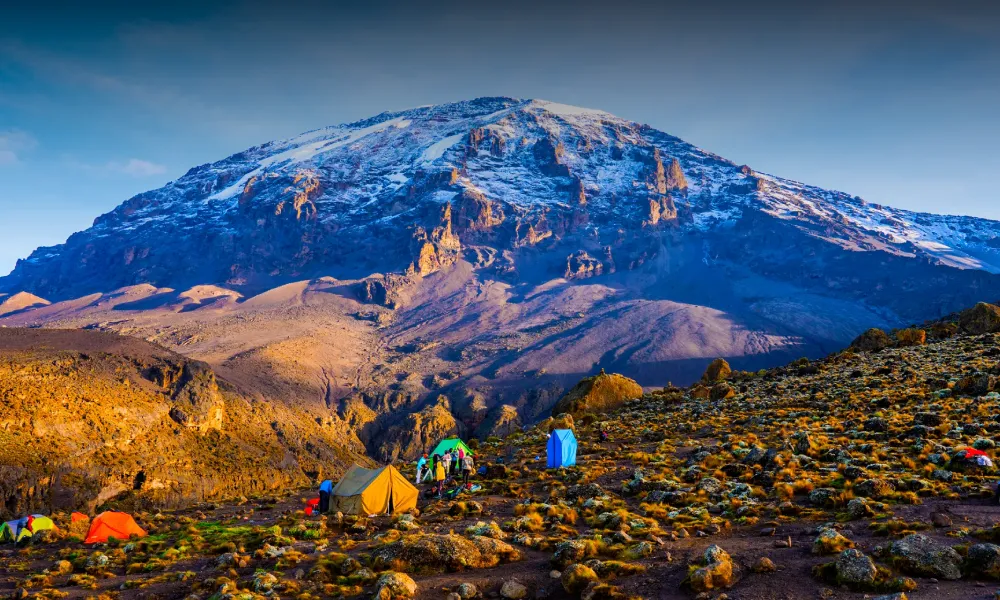
Mount Meru, Tanzania’s second-highest peak, is a paradise for landscape and nature photographers. With its diverse ecosystems, dramatic volcanic ridges, lush montane forests, and sweeping views of the surrounding plains, the mountain provides endless opportunities for capturing breathtaking shots. Whether you’re an amateur photographer or a professional, Mount Meru offers unique angles, lighting, and wildlife encounters that make every frame special.
Here’s your guide to photographing Mount Meru like a pro.
1. Best Locations for Landscape Photography
Mount Meru has several vantage points ideal for capturing landscapes:
- Momella Gate and Forest Trails – lush greenery, streams, and waterfalls
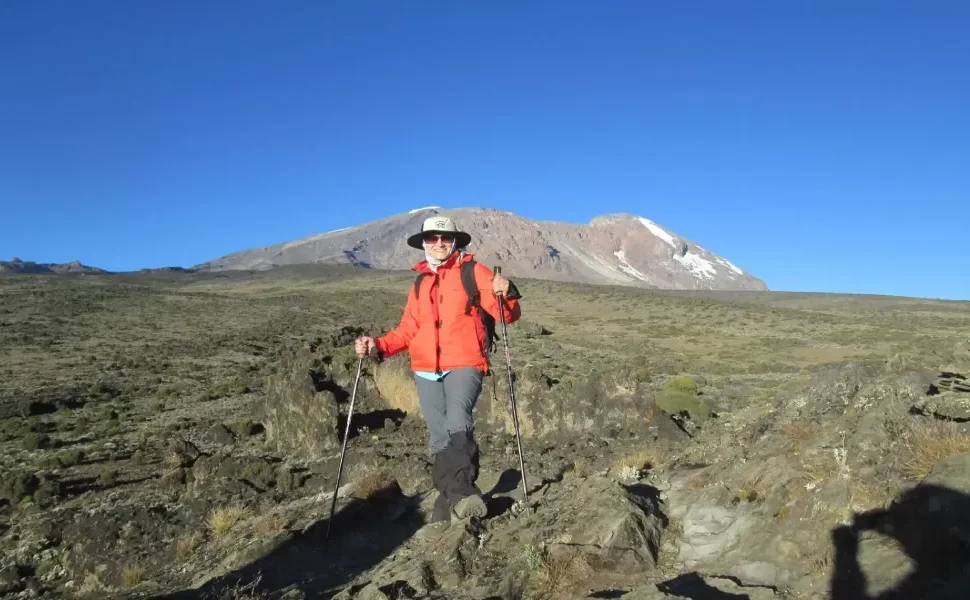
- Miriakamba Hut area – panoramic views of the crater rim and surrounding valleys
- Saddle Hut – perfect for dramatic shots of volcanic ridges and crater walls
- Summit (Socialist Peak) – panoramic views over Arusha, Kilimanjaro, and the Great Rift Valley
Each location offers different lighting and composition opportunities, so plan your trek itinerary to include multiple stops for varied shots.
2. Sunrise and Sunset Photography
Lighting is key for memorable images:
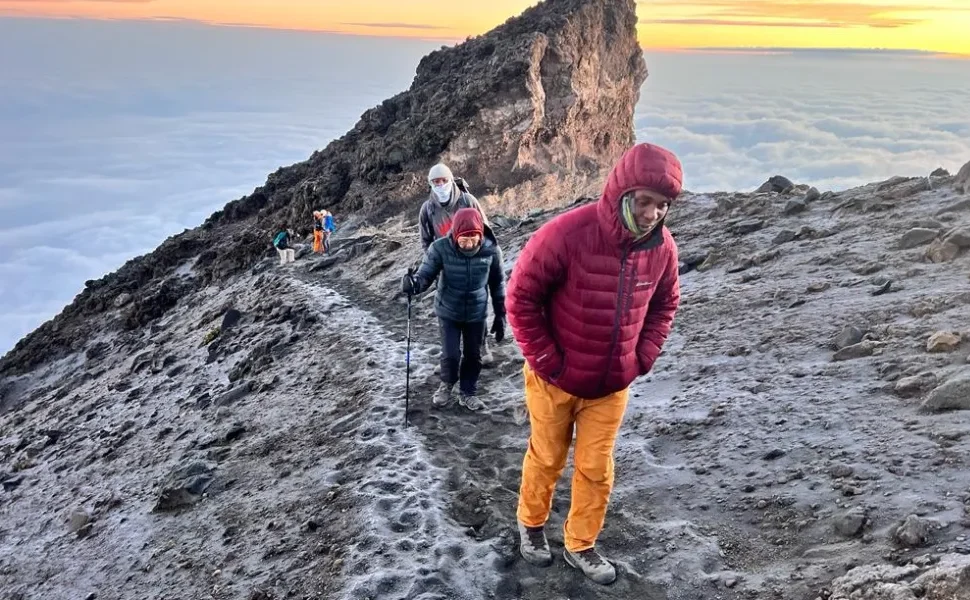
- Sunrise – soft, warm light over the plains and forests; ideal for summit shots
- Sunset – golden hour highlights volcanic ridges, crater walls, and trees
- Use a tripod for low-light conditions, especially during summit sunrise
- Consider early morning summit hikes to capture Mount Meru bathed in first light
Both sunrise and sunset provide dramatic contrasts and shadows perfect for storytelling in your photographs.
3. Capturing Mount Meru’s Flora and Fauna
Mount Meru is rich in biodiversity, offering opportunities for macro and wildlife photography:
- Bird species – sunbirds, turacos, and hornbills in forest zones
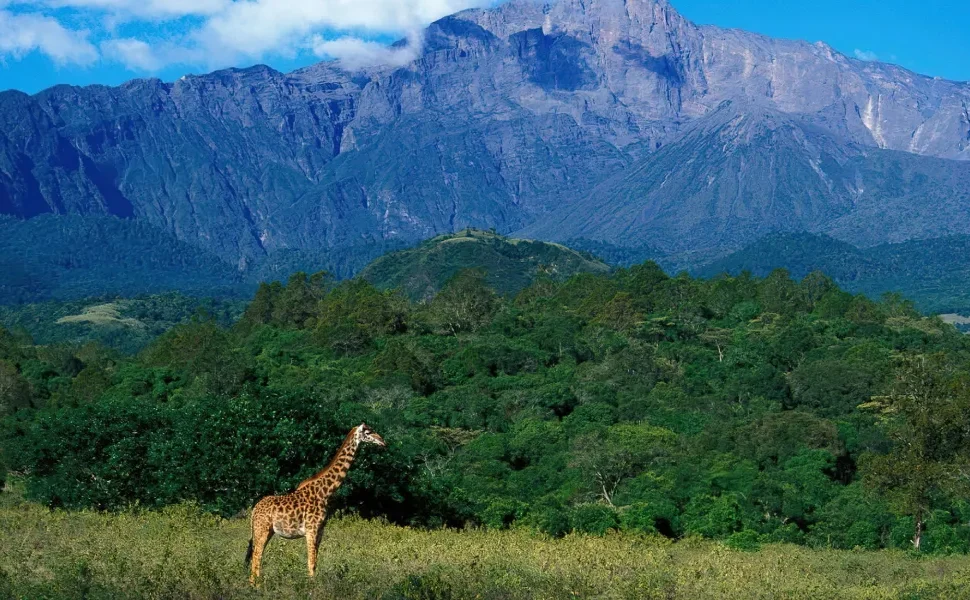
- Mammals – colobus monkeys, bushbucks, and occasional giraffes near the lower slopes
- Unique plants – giant lobelias, endemic ferns, and alpine flora at higher altitudes
Patience and quiet observation are key to photographing wildlife without disturbing the natural behavior of animals.
4. Gear Recommendations for Photographers
To maximize your photography on Mount Meru:
- DSLR or mirrorless camera – with versatile lenses (wide-angle for landscapes, telephoto for wildlife)
- Tripod – essential for sunrise, sunset, and low-light shots
- Filters – ND or polarizing filters for better sky contrast
- Extra batteries and memory cards – high-altitude cold can drain batteries quickly
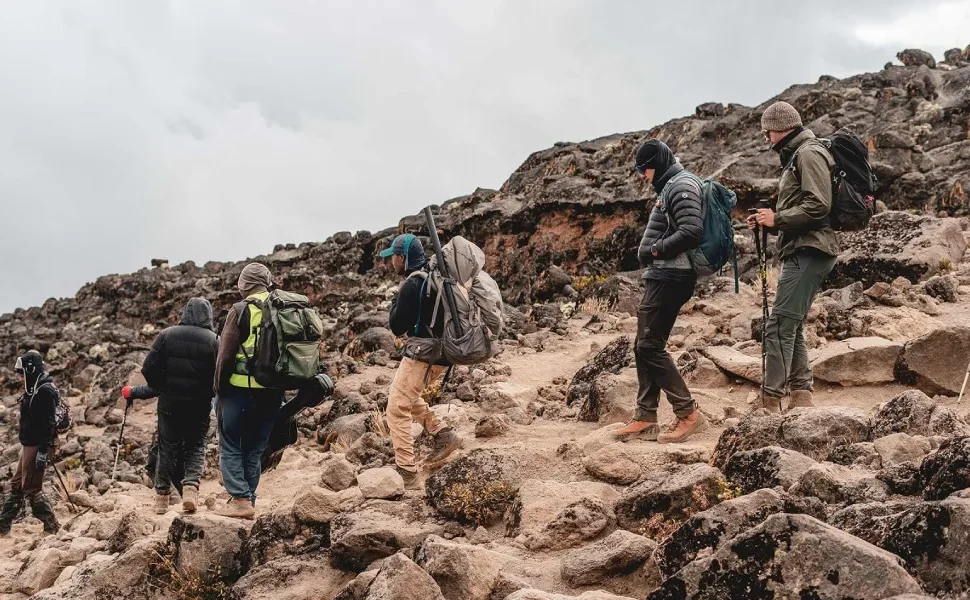
- Lightweight backpack – to carry gear comfortably on long treks
Travel light but ensure your essential gear is protected from moisture and dust.
5. Photography Tips While Trekking
- Scout locations during the day – plan the best angles for sunrise or sunset
- Use layers – dress in layers so you can climb and move comfortably while handling camera gear
- Respect nature – avoid stepping on fragile plants or disturbing wildlife for the perfect shot
- Keep camera ready – some of the best shots happen unexpectedly along the trail
Capturing Mount Meru requires both preparation and flexibility for spontaneous moments.
6. Plan Your Photography Trek With Tanzania Hiking
Tanzania Hiking helps photographers focus on getting the perfect shot without logistical stress:
- Guides familiar with best photo vantage points
- Advice on timing for light and wildlife
- Assistance with permits, huts, and campsite logistics
- Email: info@tanzaniahiking.com
- WhatsApp: +255 752 213 715 / +255 754 557 877
Request a Quote for Your Mount Meru Photography Adventure
Ready to capture Mount Meru’s stunning landscapes and unique wildlife?
Fill out the request-a-quote form below, and our team will create a custom itinerary that balances trekking, summit goals, and optimal photography opportunities.