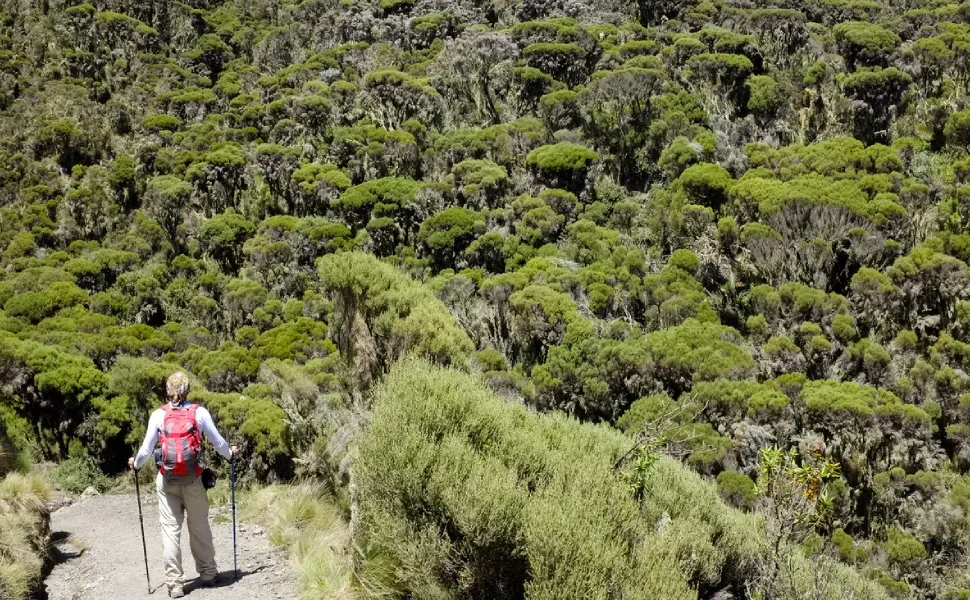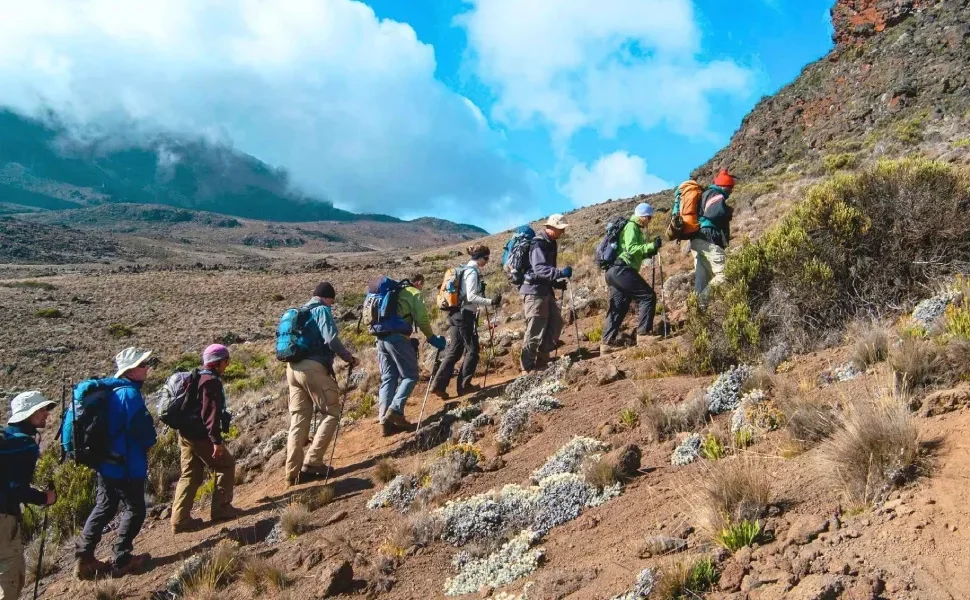

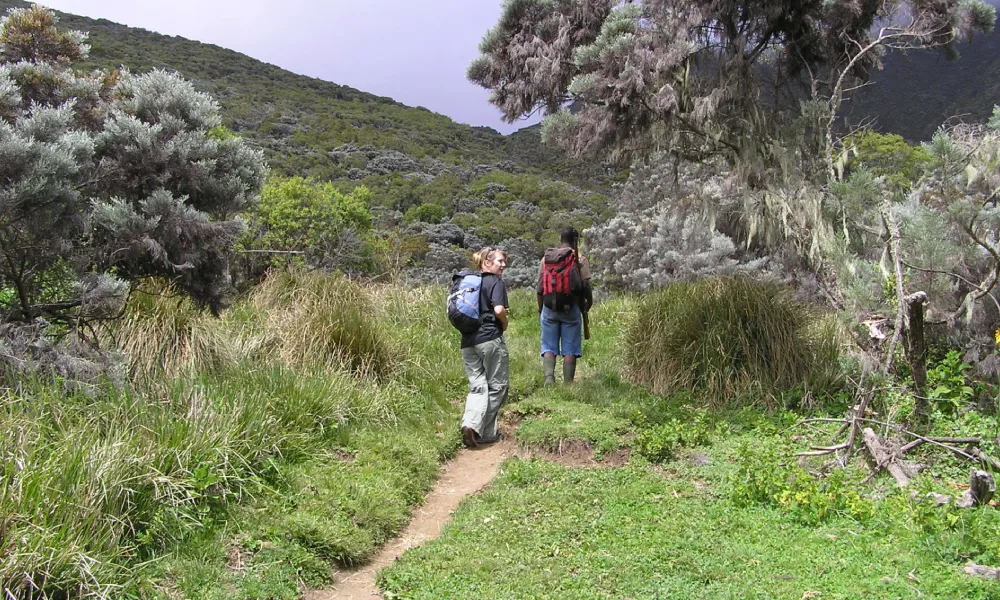
Mount Meru, Tanzania’s second-highest peak, is not only a haven for trekkers and adventure enthusiasts but also a fragile ecosystem. From lush montane forests and volcanic slopes to rare wildlife and unique plant species, the mountain requires careful stewardship to preserve its natural beauty. Practicing eco-friendly trekking ensures that future generations can enjoy the trails and wildlife just as much as you do.
Here’s a guide to eco-friendly trekking on Mount Meru, helping you minimize your impact while having a memorable adventure.
1. Stick to Designated Trails
The most important rule of eco-friendly trekking is staying on marked trails:
- Avoid creating new paths that can damage vegetation and cause erosion
- Use trails designated by Tanzania National Parks to reduce your impact
- Follow signs and instructions from guides and park rangers
Staying on the trail protects Mount Meru’s flora, fauna, and soil structure.
2. Leave No Trace Principles
Applying Leave No Trace principles keeps the mountain clean and healthy:
- Pack out all trash, including food wrappers, batteries, and disposable items
- Dispose of human waste properly at designated toilets or huts
- Avoid disturbing plants, rocks, and natural formations
By leaving the environment as you found it, you help maintain the mountain’s natural ecosystem.
3. Choose Eco-Friendly Gear
Your gear can also support sustainability:
- Bring reusable water bottles and utensils instead of disposable plastic
- Use biodegradable soap and toiletries if washing on trail or at campsites
- Select lightweight, durable gear that reduces wear and tear and waste
Eco-friendly gear not only benefits the environment but often improves your trekking experience by being practical and long-lasting.
4. Respect Wildlife
Mount Meru is home to unique wildlife, including colobus monkeys, bushbucks, and diverse bird species:
- Do not feed animals, as human food can harm them
- Maintain a safe distance to avoid stress or aggressive encounters
- Observe quietly and follow your guide’s instructions
Respecting wildlife ensures safety and preserves natural behavior for future visitors.
5. Minimize Campfire Impact
- Use camp stoves instead of open fires whenever possible
- If a fire is allowed at designated sites, ensure it is small and fully extinguished
- Collect wood only from permitted areas, avoiding live trees or fragile ecosystems
Reducing fire impact protects the forests and prevents accidents.
6. Support Local Communities
Eco-friendly trekking also involves giving back to local communities:
- Hire local guides and porters to ensure fair wages and support livelihoods
- Buy locally-made souvenirs or food to benefit surrounding villages
- Respect cultural sites and traditions, enhancing sustainable tourism
Community support strengthens conservation efforts and creates a positive impact on the region.
7. Plan Your Eco-Friendly Mount Meru Trek With Tanzania Hiking
Tanzania Hiking ensures your Mount Meru experience is sustainable and responsible:
- Expert guidance on eco-friendly trekking practices
- Coordination with licensed guides and porters to minimize environmental impact
- Tips on sustainable gear, camp management, and trail etiquette
- Email: info@tanzaniahiking.com
- WhatsApp: +255 752 213 715 / +255 754 557 877
Request a Quote for Your Eco-Friendly Mount Meru Adventure
Ready to trek Mount Meru while protecting its unique environment?
Fill out the request-a-quote form below, and our team will design a custom itinerary focused on eco-friendly trekking, responsible camping, and community engagement.