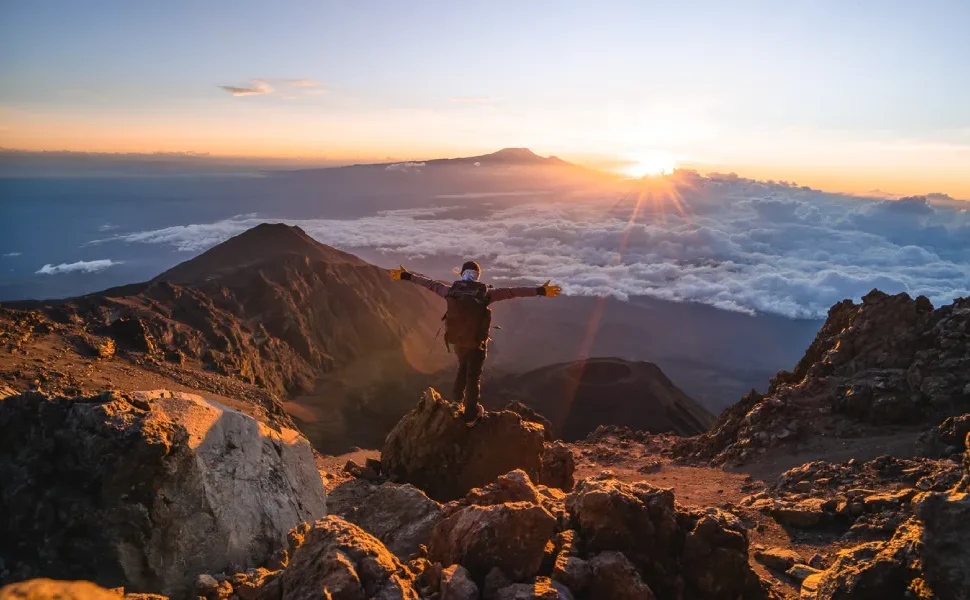

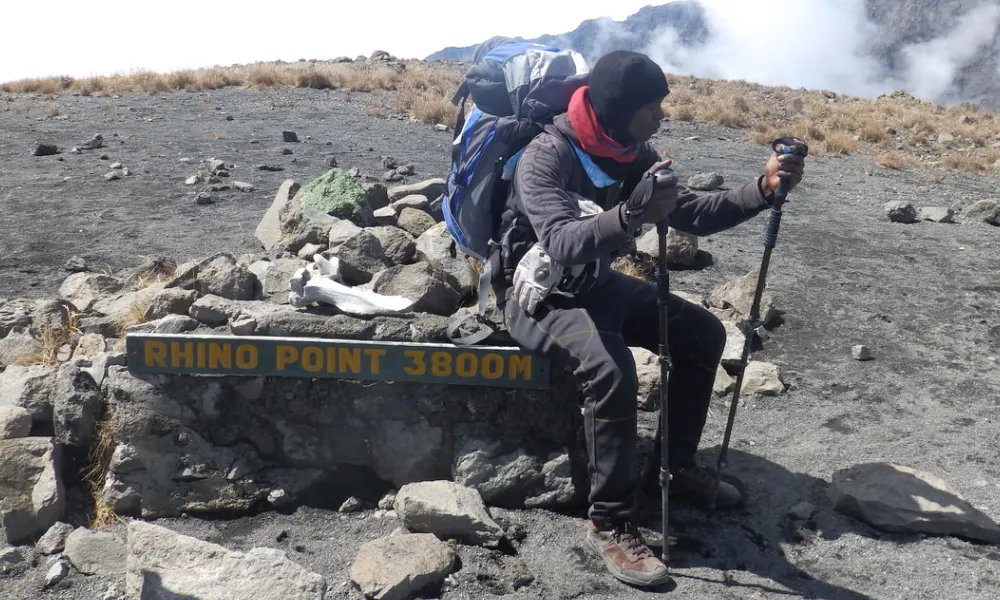
Proper hydration is crucial when trekking Mount Meru, Tanzania’s second-highest peak. With its lush forests, steep ridges, and summit at 4,562 meters (14,968 ft), the mountain can be physically demanding. Planning how much water to carry and how to stay hydrated is essential for both safety and enjoyment.
This guide will help you understand hydration requirements, water sources, and practical strategies for your Mount Meru trek.
1. Why Hydration Is Important on Mount Meru
High-altitude trekking increases fluid loss due to:
- Sweating during uphill climbs
- Dry mountain air at higher elevations
- Increased breathing rate from thinner air
Dehydration can cause fatigue, headaches, dizziness, and even altitude sickness. Maintaining adequate hydration is crucial for:
- Sustaining energy
- Supporting proper acclimatization
- Ensuring safe hiking performance
2. Recommended Water Intake
A good rule of thumb for high-altitude trekking is 3–4 liters of water per day per person. On Mount Meru:
- Day hikes or short treks may require 2–3 liters
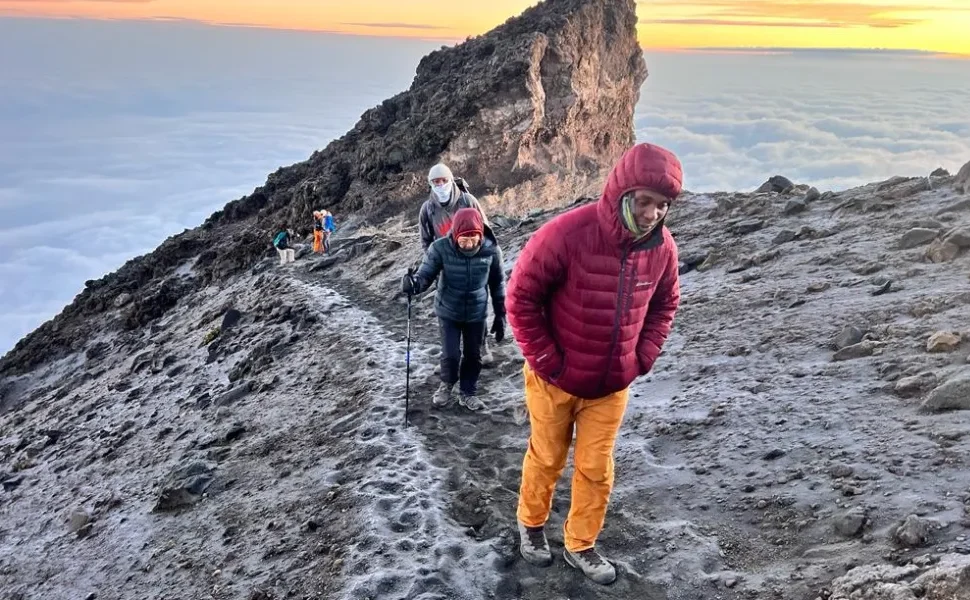
- Full summit days (6–8 hours of hiking) may require 3–4 liters
- Adjust according to your body weight, weather conditions, and personal sweat rate
Frequent, small sips are better than drinking large amounts at once, helping your body absorb water efficiently.
3. Tips for Managing Water on the Trail
Carrying Water
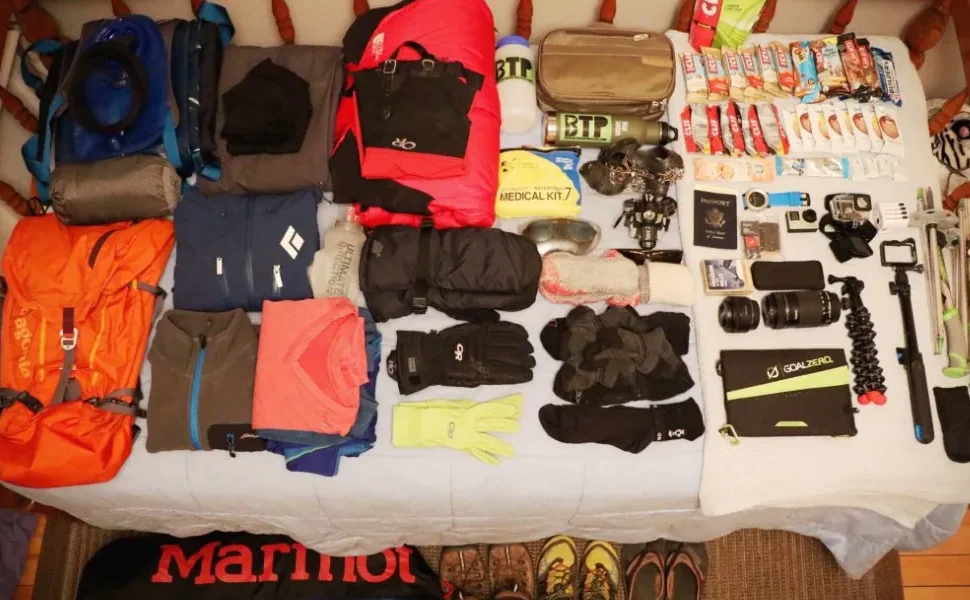
- Use hydration bladders or water bottles for easy access
- Carry at least 1.5–2 liters at the start of the day, replenishing at huts or streams
- Consider extra water for the summit day, especially if you sweat heavily
Water Filtration
- Treat water from streams or natural sources with filters or purification tablets
- Avoid drinking untreated water to prevent stomach issues
Electrolyte Balance
- Include electrolyte tablets or powders to replace sodium, potassium, and magnesium lost through sweat
- Especially important on long, hot, or high-altitude trekking days
4. Water Availability on Mount Meru
Mount Meru has limited water sources along the trail:
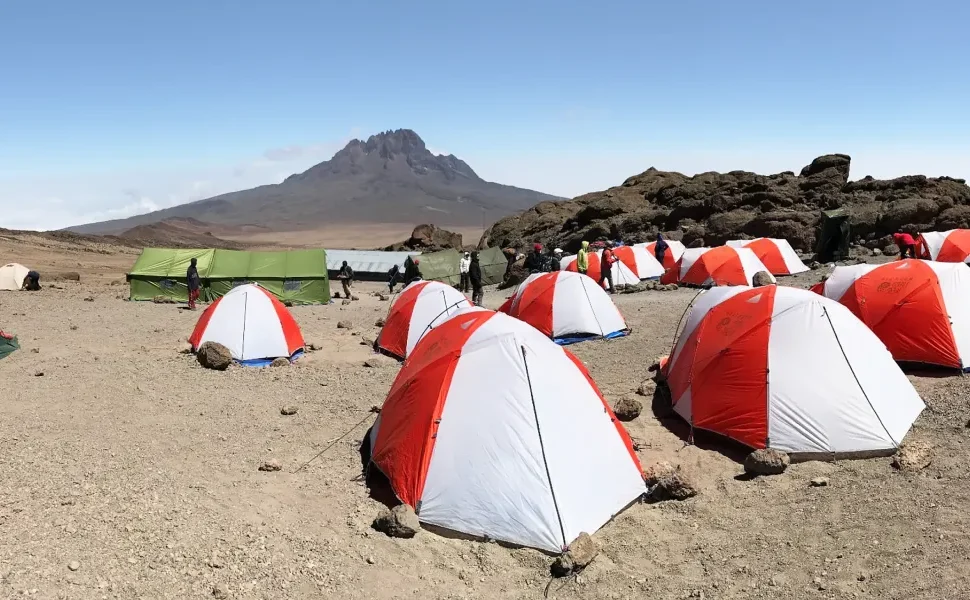
- Miriakamba Hut and Saddle Hut provide drinking water for trekkers
- Streams along the forest sections may be used after purification
- Carrying sufficient water between huts is essential, especially during dry seasons
Planning your hydration in advance ensures you don’t run out on steep climbs.
5. Practical Packing Advice
- Use a 2-liter hydration bladder plus one 0.5–1 liter bottle for summit day
- Keep bottles or bladders insulated in cold conditions to prevent freezing
- Distribute water weight evenly in your backpack for comfort
A well-planned hydration strategy reduces fatigue and keeps you safe during your Mount Meru climb.
6. Signs of Dehydration
Be alert to dehydration symptoms:
- Dry mouth and lips
- Dizziness or lightheadedness
- Reduced urine output
- Fatigue or headache
If you experience any of these, drink water and rest. Staying ahead of dehydration is critical at altitude.
Plan Your Mount Meru Trek With Tanzania Hiking
Tanzania Hiking provides expert guidance on hydration, altitude safety, and trail planning. Our local guides help ensure your trek is safe, enjoyable, and well-prepared from start to summit.
- Email: info@tanzaniahiking.com
- WhatsApp: +255 752 213 715 / +255 754 557 877
Request a Quote for Your Mount Meru Adventure
Ready to climb Mount Meru fully prepared?
Fill out the request-a-quote form below, and our team will craft a custom trekking itinerary including water strategy, guides, and accommodations.