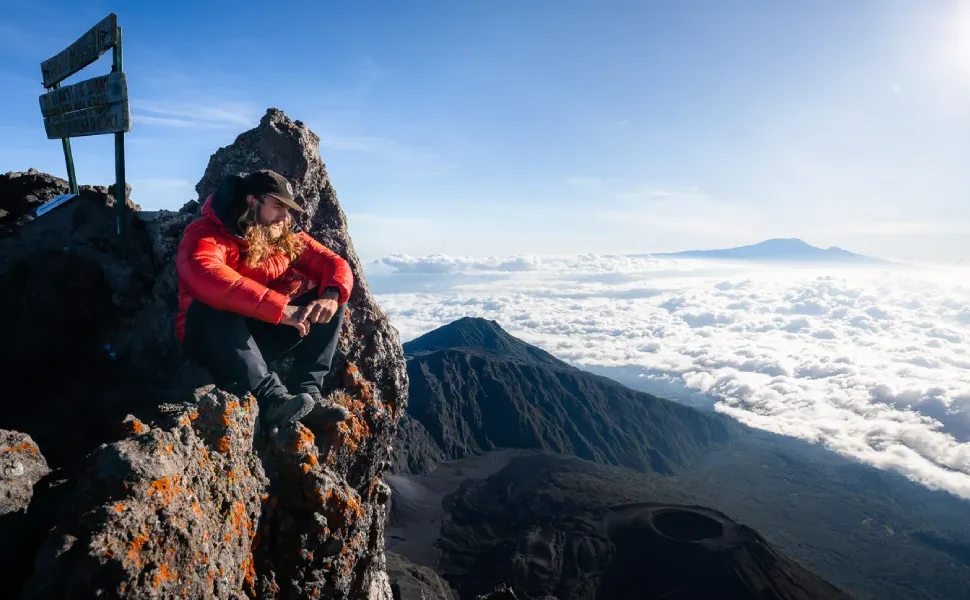

Arusha National Park, located at the foot of Mount Meru in northern Tanzania, is a treasure trove of biodiversity. Covering grasslands, montane forests, swamps, and the volcanic slopes of Mount Meru, the park offers a compact yet diverse ecosystem that delights trekkers, wildlife enthusiasts, and birdwatchers alike.
Whether you’re hiking Mount Meru or exploring the park’s savannahs, understanding the flora and fauna of Arusha National Park enhances your adventure and opens doors to unforgettable encounters.
Diverse Flora Across Elevation Zones
Arusha National Park showcases distinct vegetation zones, each supporting unique plants:
1. Lower Slopes and Grasslands
- Acacia and baobab trees dominate open plains
- Savannah grasses provide habitat for grazers like zebras and buffaloes
- Seasonal wildflowers add vibrant bursts of color, especially after rains
2. Montane Forests on Mount Meru
- Dense hardwood forests with camphor, mahogany, and fig trees
- Ferns, mosses, and epiphytes thrive in the shaded understory
- Forests are home to colobus monkeys and various bird species
3. Alpine and Volcanic Slopes
- Giant lobelias and Helichrysum survive in harsh, high-altitude conditions
- Alpine grasses cling to volcanic soil
- Sparse flowering plants add color to rocky ridges
These vegetation zones create visual contrasts and ecological richness, offering photographers and hikers plenty of opportunities to explore.
Fauna Highlights: Iconic African Wildlife
Arusha National Park is home to an impressive array of wildlife, visible both from the trails and during short safari drives:
Herbivores
- Giraffes roam the open plains
- Zebras and wildebeests graze in herds
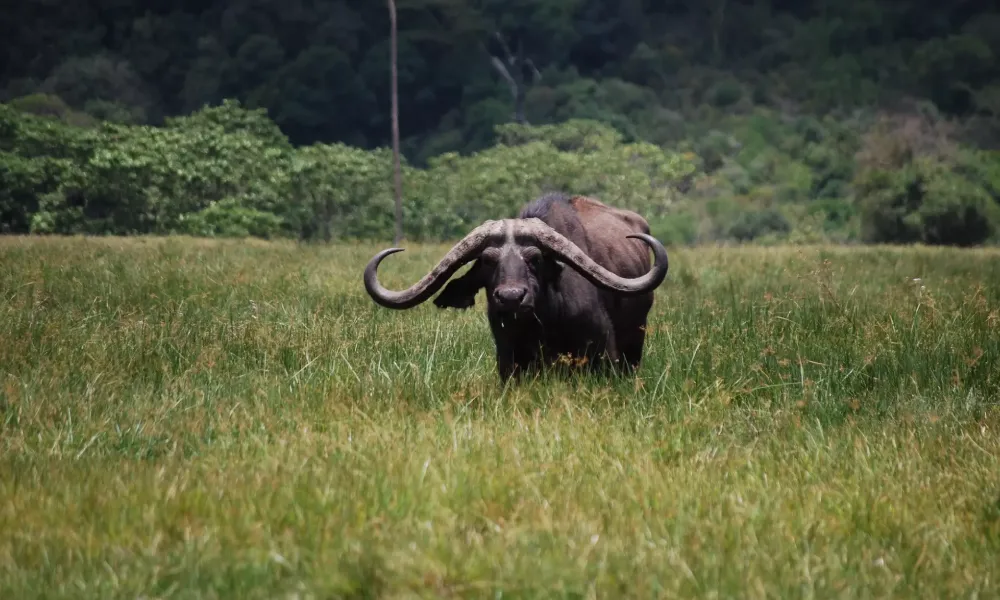
- Buffaloes and antelopes frequent forest edges and grasslands
Primates
- Colobus monkeys with striking black-and-white coats
- Blue monkeys, agile and curious, often near forest trails
Predators
- Leopards and wild cats inhabit forested and rocky areas
- While sightings are rare, tracks and calls indicate their presence
Birdlife
- Over 300 species recorded, including hornbills, turacos, sunbirds, and raptors
- Forests, wetlands, and grasslands support different bird communities, making birdwatching a highlight
Unique Wetlands and Water Features
Arusha National Park’s wetlands, such as Ngurdoto Crater and Momella Lakes, support:
- Flamingos and waterbirds in seasonal lakes
- Amphibians and aquatic insects that thrive in marshes
- Lush riparian vegetation, which attracts forest and savannah wildlife
These water-rich habitats provide tranquil and photogenic spots along trekking routes and safari drives.
Best Times for Flora and Fauna Observation
- Dry season (June–October): Wildlife congregates near water sources; trails are easier to navigate
- Short rainy season (November & May): Wildflowers bloom, and migratory birds are abundant
- Early mornings and late afternoons: Wildlife is most active, offering the best photography opportunities
Book a Guided Trek and Safari With Tanzania Hiking
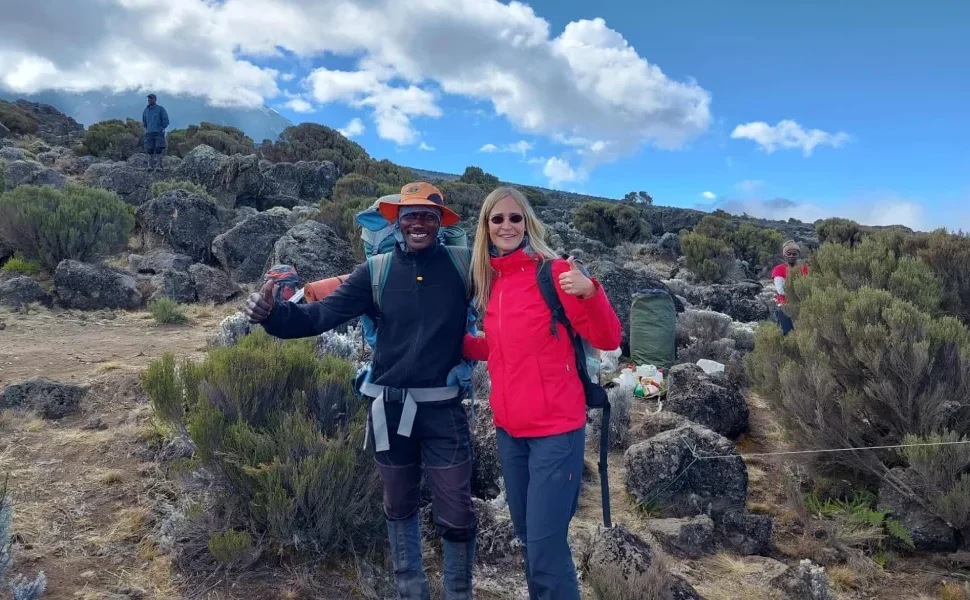
Tanzania Hiking offers custom itineraries combining Mount Meru treks and Arusha National Park safaris, ensuring you experience the full range of flora and fauna safely and efficiently. Our guides provide ecological insights and point out hidden wildlife and scenic landmarks along every route.
- Email: info@tanzaniahiking.com
- WhatsApp: +255 752 213 715 / +255 754 557 877
Request a Quote for Your Arusha Adventure
Want to explore Mount Meru’s slopes and Arusha National Park’s rich ecosystems?
Fill out the quote request form below, and our team will design a personalized itinerary combining trekking, wildlife viewing, and immersive nature experiences.