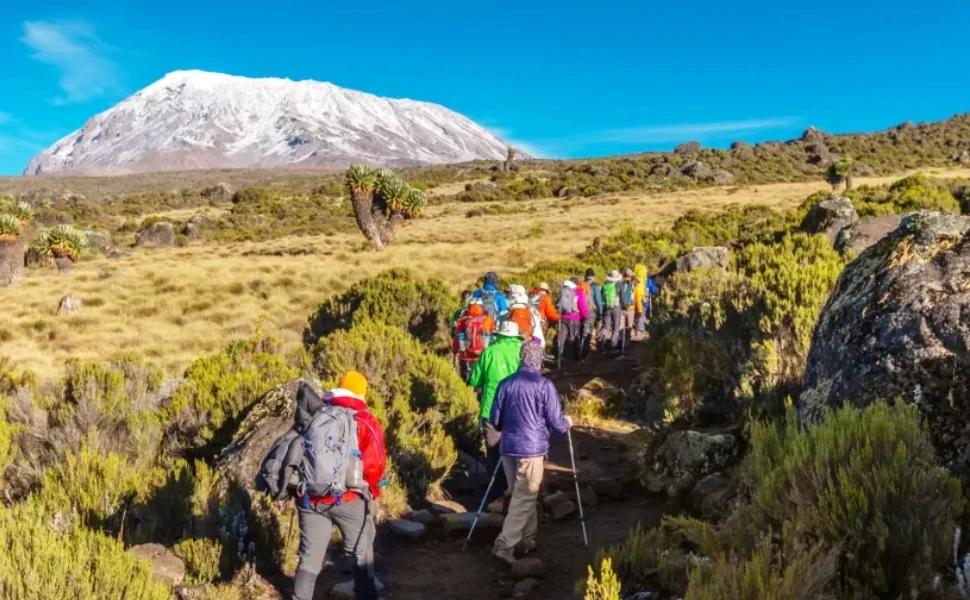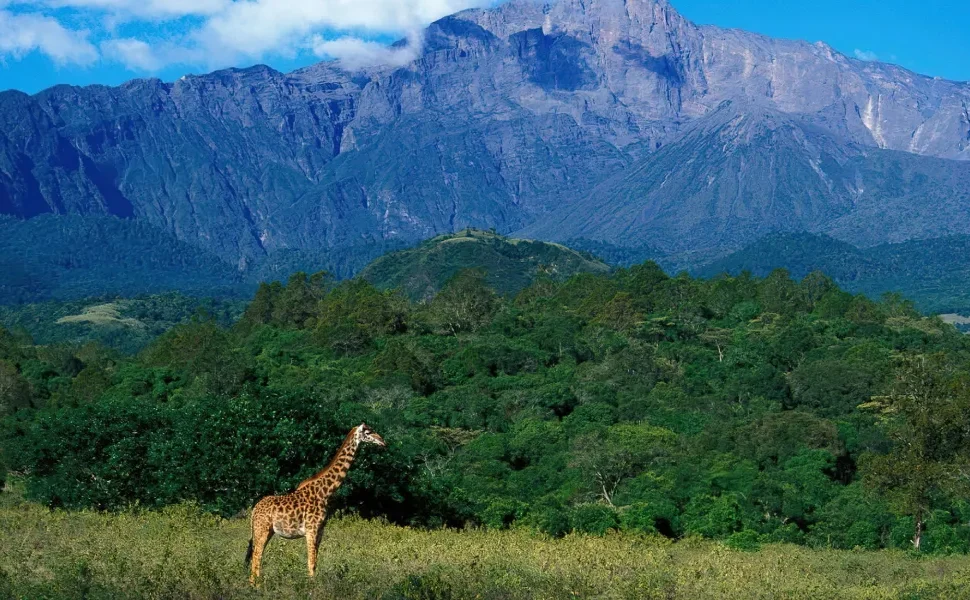

Proper acclimatization is the key to a safe and successful Mount Meru trek. Standing at 4,566 meters, Mount Meru may be lower than Kilimanjaro, but altitude sickness is still a serious risk if you ascend too quickly. Understanding how your body adapts to altitude and supporting that process correctly greatly improves your chances of reaching the summit comfortably.
This guide explains how to acclimatize properly on Mount Meru, whether you are a first-time high-altitude hiker or an experienced trekker.
Why Acclimatization Matters on Mount Meru
As you gain altitude, oxygen levels decrease. Your body needs time to:
- Adjust breathing patterns
- Increase red blood cell production
- Improve oxygen delivery to muscles and organs
Without proper acclimatization, hikers may experience acute mountain sickness (AMS), which can cause headaches, nausea, dizziness, fatigue, and sleep disturbances.
Choose the Right Mount Meru Itinerary
The 3–4 day Mount Meru itinerary is designed to support natural acclimatization.
- Day 1: Gradual ascent through forest and wildlife zones
- Day 2: Steeper climb with time to rest at higher altitude huts
- Day 3: Summit attempt and descent
Avoid rushing the climb. Shorter itineraries increase altitude-related risks and reduce summit success rates.
Walk Slowly and Maintain a Steady Pace
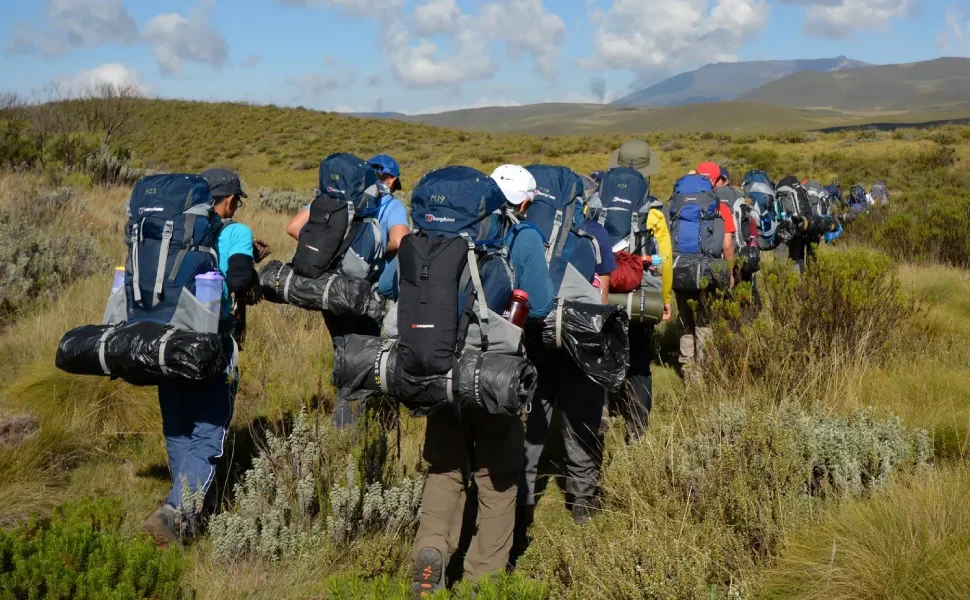
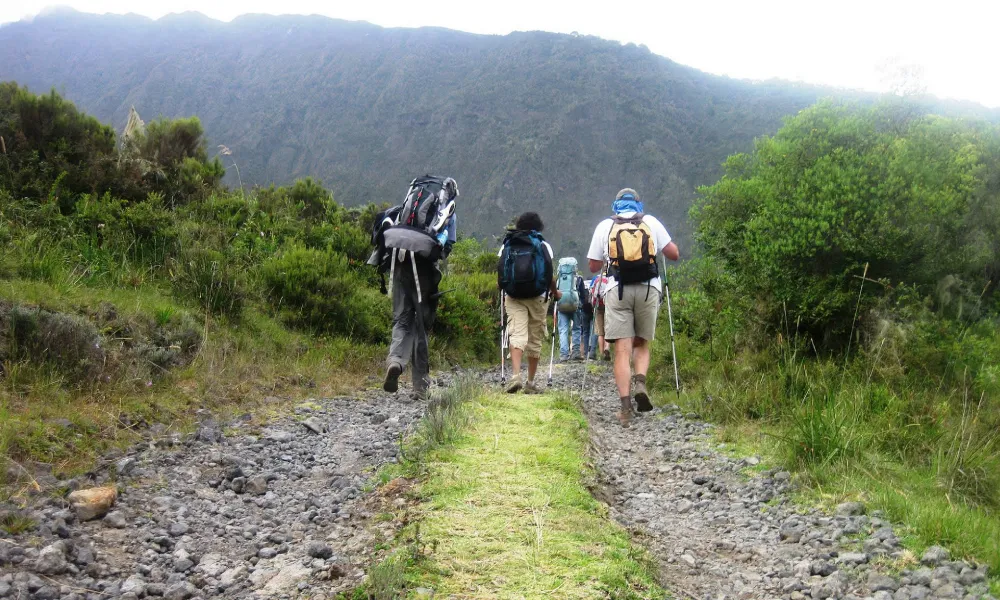
One of the most effective acclimatization techniques is slow, consistent movement.
- Follow the guide’s pace
- Avoid rushing uphill
- Take short, frequent breaks
This “pole pole” (slowly, slowly) approach allows your body to adjust naturally while conserving energy.
Hydration Is Essential for Acclimatization
Dehydration worsens altitude symptoms and slows adaptation.
- Drink 3–4 liters of water per day
- Sip water regularly, even when not thirsty
- Use electrolytes in moderation
Proper hydration improves circulation and oxygen transport, supporting acclimatization.
Eat Well at Altitude
Food fuels acclimatization.
- Eat carbohydrates for energy
- Avoid skipping meals, even if appetite decreases
- Choose light, easy-to-digest foods
Your trekking team will provide balanced meals designed for high-altitude hiking.
Sleep at Altitude, But Don’t Push Too Fast
On Mount Meru, hikers sleep at increasing elevations, which helps the body adapt. However:
- Expect lighter sleep at higher altitudes
- Rest during the day when possible
- Avoid overexertion before bedtime
Quality rest supports recovery and acclimatization.
Recognize Early Symptoms of Altitude Sickness
Early detection is critical. Common symptoms include:
- Headaches
- Nausea
- Dizziness
- Loss of appetite
- Fatigue
Inform your guide immediately if symptoms appear. Guides are trained to assess whether rest, hydration, or descent is necessary.
Avoid Alcohol and Smoking
Alcohol and smoking:
- Dehydrate the body
- Reduce oxygen efficiency
- Increase altitude sickness risk
Avoid both before and during your Mount Meru trek.
The Role of Professional Guides in Acclimatization
Experienced guides are essential for proper acclimatization. Tanzania Hiking guides:
- Monitor health daily
- Adjust pace and schedules
- Encourage hydration and rest
- Make safety-first decisions
Their experience significantly improves summit success and safety
Why Mount Meru Is Excellent for Acclimatization Training
Many hikers use Mount Meru as preparation for Mount Kilimanjaro. The gradual ascent, varied terrain, and controlled altitude gain make it an excellent acclimatization climb before higher peaks.
Trek With Confidence With Tanzania Hiking
Tanzania Hiking specializes in safe, well-paced Mount Meru treks designed to maximize acclimatization and enjoyment.
- Email: info@tanzaniahiking.com
- WhatsApp: +255 752 213 715 / +255 754 557 877
Request a Quote for Your Mount Meru Trek
Ready to hike Mount Meru safely and successfully?
Fill out the quote request form below, and our team will customize your trek with the right itinerary, pace, and acclimatization plan.