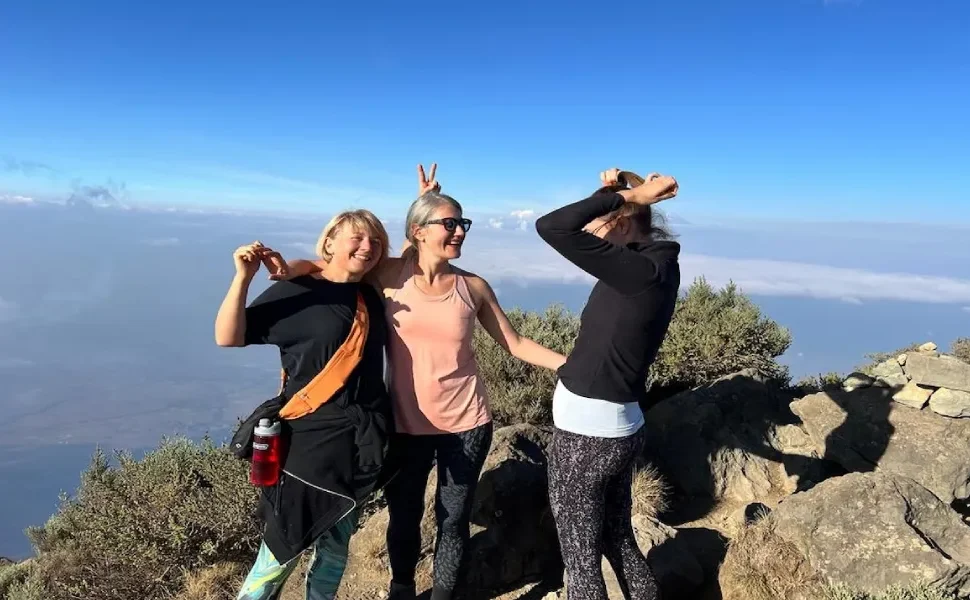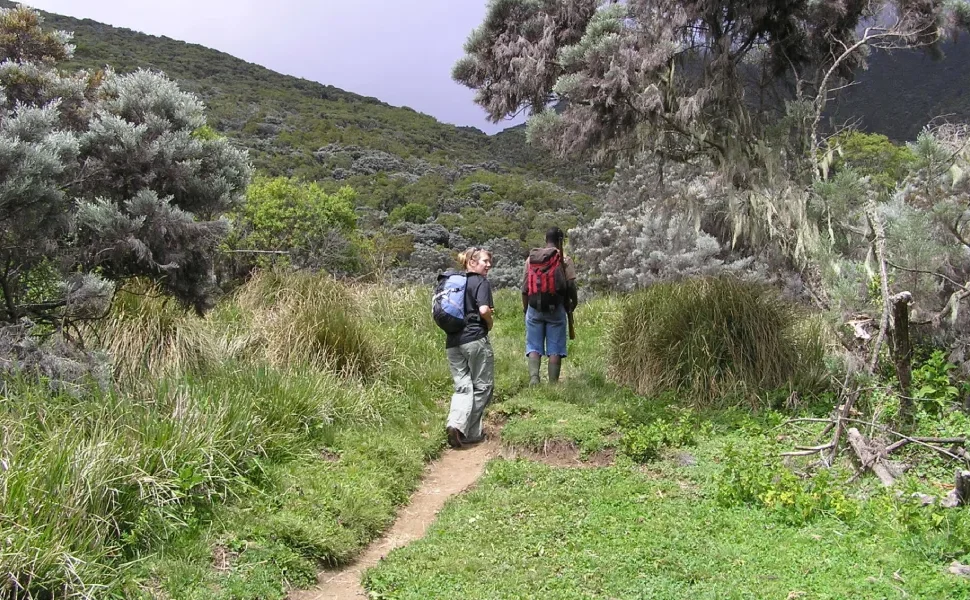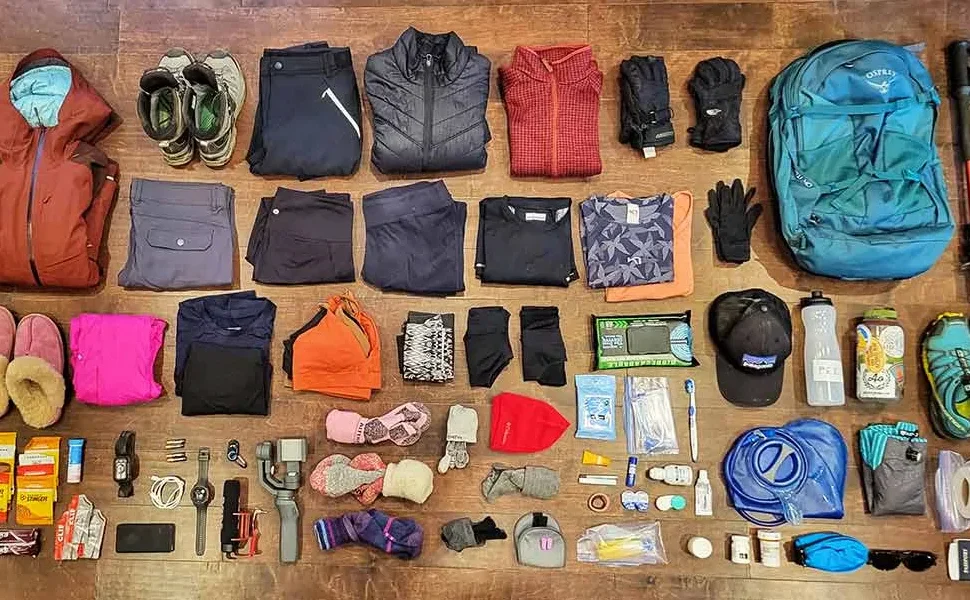

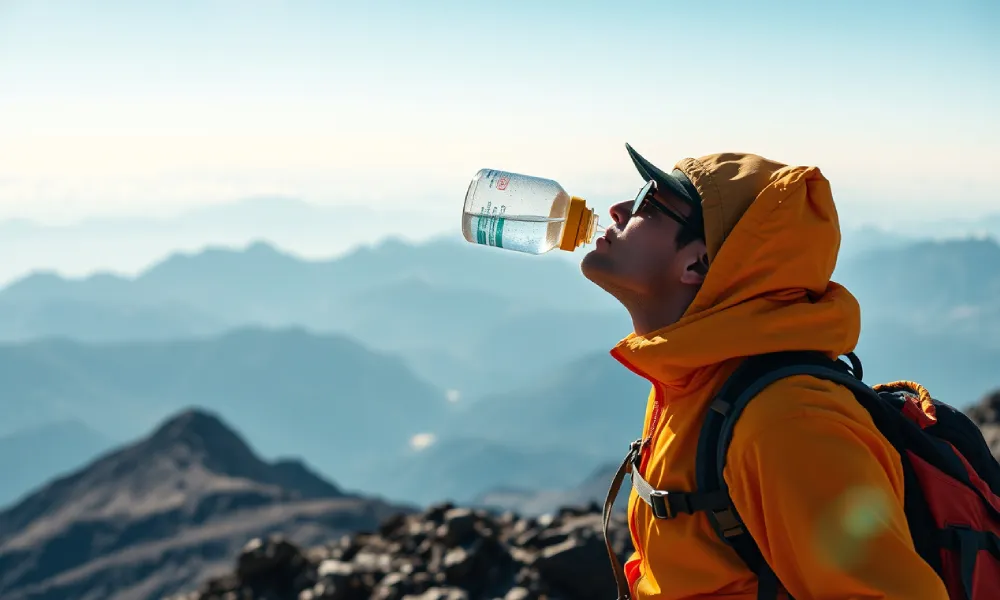
Proper hydration is one of the most important factors for a successful Mount Meru trek. Rising to 4,566 meters, Mount Meru exposes hikers to thinner air, increased physical exertion, and rapid moisture loss through breathing and sweating. Even experienced hikers can underestimate how much water their bodies need at high altitude.
This guide explains effective hydration strategies for high altitude hiking on Mount Meru, helping you stay healthy, energized, and well-acclimatized throughout your trek.
Why Hydration Is Critical at High Altitude
At higher elevations, your body loses fluids faster due to:
- Increased breathing rate
- Dry mountain air
- Physical exertion on steep terrain
- Reduced thirst sensation
Dehydration can worsen altitude sickness symptoms, cause fatigue, headaches, dizziness, and reduce overall trekking performance. Staying hydrated helps your body adapt to altitude and supports circulation and oxygen delivery.
How Much Water Do You Need on Mount Meru?
Most hikers should aim to drink:
- 3 to 4 liters of water per day during the trek
- More on summit day, when exertion and cold air increase fluid loss
Your guide will encourage regular drinking even if you do not feel thirsty. Waiting until thirst appears often means you are already dehydrated.
Best Hydration Practices During the Trek
Drink Small Amounts Frequently
Instead of drinking large amounts at once, sip water regularly throughout the day. This helps your body absorb fluids more effectively and reduces stomach discomfort.
Start Hydrating Early
Begin drinking water from the moment you wake up. Morning hydration is especially important before long trekking days and summit attempts.
Hydrate Before Summit Night
The Mount Meru summit climb begins around midnight. Drink enough water in the evening and carry water in insulated bottles to prevent freezing during the ascent.
Use Electrolytes Wisely
At high altitude, your body loses not only water but also essential minerals.
- Use electrolyte tablets or powders once or twice daily
- Avoid overusing them plain water should remain your main hydration source
- Electrolytes help reduce muscle cramps and fatigue
This balance supports energy levels without upsetting digestion.
Recognizing Signs of Dehydration
Pay attention to early warning signs:
- Dark yellow urine
- Headaches
- Dry mouth or lips
- Fatigue and dizziness
If you notice these symptoms, increase fluid intake and inform your guide immediately.
Hydration and Altitude Sickness Prevention
Hydration plays a major role in reducing the risk of altitude sickness:
- Well-hydrated blood circulates oxygen more efficiently
- Adequate fluids help regulate body temperature
- Hydration reduces headaches often associated with altitude
While hydration alone does not prevent altitude sickness, it significantly improves your body’s ability to acclimatize.
Practical Hydration Tips for Mount Meru
- Carry at least 2–3 liters of water in your daypack
- Use a hydration bladder or water bottles for easy access
- Insulate water bottles on summit night to prevent freezing
- Avoid alcohol and excessive caffeine before and during the trek
- Eat water-rich foods such as soups and fruits when available
Your trekking team will refill and treat water daily to ensure it is safe for drinking.
Role of Guides in Hydration Management
Professional guides play a key role in hydration monitoring. Tanzania Hiking guides:
- Encourage regular water intake
- Monitor signs of dehydration or altitude stress
- Adjust pace and rest breaks when needed
- Ensure safe water availability throughout the trek
This support greatly improves trekking safety and comfort.
Trek Safely With Tanzania Hiking
Tanzania Hiking provides fully supported Mount Meru treks, including professional guides, porters, meals, and hydration planning. We ensure every hiker understands the importance of drinking enough water at altitude.
- Email: info@tanzaniahiking.com
- WhatsApp: +255 752 213 715 / +255 754 557 877
Request a Quote for Your Mount Meru Trek
Planning your Mount Meru adventure?
Fill out the quote request form below, and our team will create a custom trekking itinerary, including expert advice on hydration, acclimatization, and summit preparation.