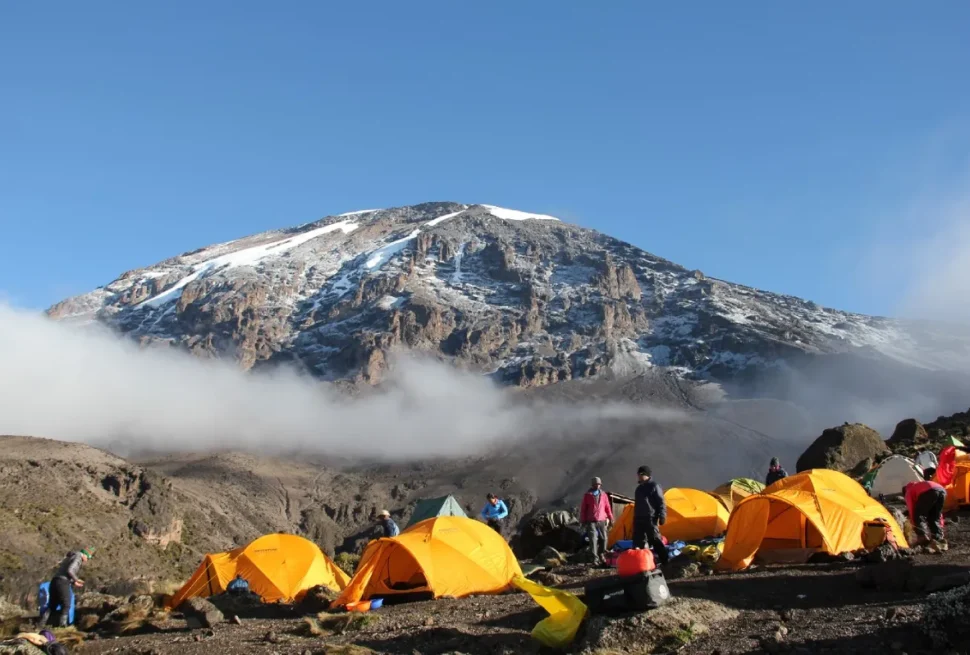


Climbing Mount Kilimanjaro is a life-changing adventure, but reaching the summit Uhuru Peak depends on several factors, including fitness, altitude acclimatization, and importantly, the route you choose. Different routes on Kilimanjaro vary in length, terrain, and difficulty, which directly affects your summit success rate.
Understanding these differences helps climbers select a route that maximizes their chances of a successful climb while enjoying the breathtaking landscapes of the mountain.
Why Summit Success Rates Vary
Success rates on Kilimanjaro are influenced by:
- Altitude and acclimatization: Longer, gradual routes allow your body to adapt to high altitude, reducing the risk of altitude sickness.
- Route difficulty: Steeper or more direct routes put more physical stress on climbers, lowering overall success rates.
- Trek duration: More days on the trail generally improve your chances of reaching the summit.
- Experience of guides and crew: Skilled guides monitor climbers’ health, pace the ascent, and ensure safety protocols are followed.
In general, routes with longer itineraries and gradual ascents consistently show higher summit success rates.
Kilimanjaro Success Rate by Route
Here’s a breakdown of the main Kilimanjaro routes and their approximate summit success rates:
1. Northern Circuit Route — 95% Success
The Northern Circuit is the longest route, typically 8–9 days. Its gradual ascent and extended acclimatization period make it the route with the highest summit success rate. It also offers spectacular panoramic views as it circles the mountain from the north.
2. Lemosho Route — 90% Success
The Lemosho Route, usually completed in 7–8 days, is renowned for its scenic beauty and effective acclimatization. With slower daily gains in altitude, it offers a high chance of reaching the summit while enjoying lush forests and diverse landscapes.
3. Machame Route — 85% Success
The popular Machame Route (“Whiskey Route”) spans 6–7 days and uses a “climb high, sleep low” strategy to support acclimatization. Machame is both challenging and rewarding, offering excellent scenery and a relatively high summit success rate for climbers who pace themselves.
4. Rongai Route — 85% Success
The Rongai Route, approaching from the north, is slightly easier on the body than Machame due to its gradual ascent. It is less crowded and provides a strong success rate while giving climbers a unique perspective of the mountain.
5. Marangu Route — 65–80% Success
The Marangu Route, known as the “Coca-Cola Route,” is the shortest and traditionally offers hut accommodation. Faster ascent days and fewer acclimatization opportunities result in lower success rates compared to longer routes.
6. Umbwe Route — 60–70% Success
Umbwe is steep and direct, making it one of the most physically demanding routes. Its short itinerary provides little time for acclimatization, so success rates tend to be lower, though experienced climbers who are well-prepared can still reach the summit.
Tips to Improve Your Summit Success
- Choose a longer route: Adding extra days improves acclimatization.
- Move slowly: The “pole pole” (slowly) approach conserves energy and reduces altitude sickness.
- Stay hydrated and eat well: Proper nutrition helps your body adjust.
- Climb with experienced guides: Skilled guides monitor health and adjust pace when needed.
Plan Your Climb with Tanzania Hiking
At Tanzania Hiking, we help climbers choose the best route for their goals, fitness level, and schedule. Our experienced guides, ethical porter treatment, and full logistical support increase your chances of a safe and successful summit.
For bookings and personalized itineraries, contact us at:
Email: info@tanzaniahiking.com
WhatsApp +255 752213715 / +255 754557877
Fill out the request a quote form below to receive a customized Kilimanjaro climbing package including route selection, accommodation, transfers, and summit support.