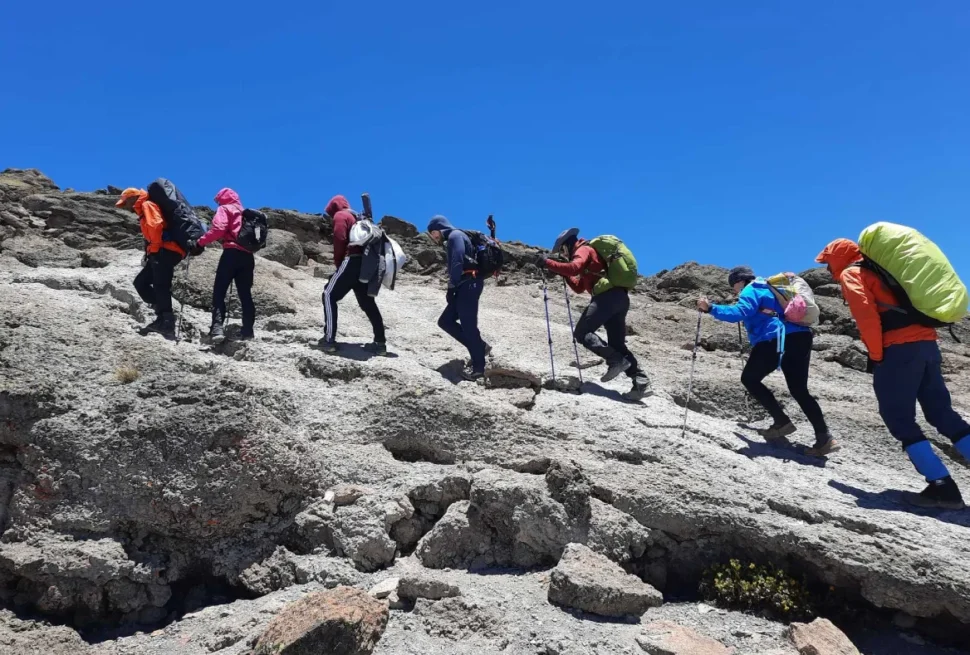


Kilimanjaro Group Climb Experience: Adventure, Camaraderie, and Summit Success
Climbing Mount Kilimanjaro is a life-changing adventure, and doing it with a group adds a unique dimension. Whether you are with friends, colleagues, or fellow trekking enthusiasts, a group climb combines the thrill of the ascent with social bonding, support, and shared achievement.
Why Join a Group Climb on Kilimanjaro
There are several advantages to joining a group climb:
- Motivation and Support: Group members encourage each other during long trekking days, helping maintain morale.
- Safety in Numbers: Guides can monitor health and wellbeing for multiple climbers, reducing risks associated with altitude sickness.
- Shared Memories: Watching the sunrise over Kilimanjaro, hiking through rainforests, and reaching the summit together creates lasting bonds.
- Cost-Effective: Group climbs often reduce costs per person compared to private guided climbs.
Climbing in a group makes the experience more social, enjoyable, and rewarding.
Choosing the Right Route for Group Climbs
Group climbs require careful route selection to balance difficulty, acclimatization, and logistics. Popular routes for group climbs include:
- Lemosho Route (7–8 days): Offers excellent acclimatization and scenic variety, ideal for mixed-ability groups.
- Machame Route (7 days): Known for its challenging sections and dramatic landscapes, perfect for active groups seeking adventure.
- Rongai Route (6–7 days): Less crowded, approaching from the north, suitable for smaller groups wanting a quieter experience.
Longer routes are often better for groups as they allow more gradual altitude gain and reduce the risk of altitude sickness among members.
Benefits of Group Climbing Experience
1. Teamwork and Camaraderie
Hiking together builds camaraderie. Members share responsibilities, help each other through tough sections, and celebrate milestones together.
2. Collective Safety
Group climbs increase safety. Guides monitor each member’s health, ensuring early detection of altitude sickness symptoms, fatigue, or dehydration.
3. Social Learning
Climbers learn from each other’s experiences, share tips on gear, pacing, and coping with cold temperatures, and exchange encouragement.
4. Shared Logistics
When climbing in a group with Tanzania Hiking, guides and porters manage tents, meals, and equipment, allowing everyone to focus on the trek and enjoy the experience.
Tips for a Successful Group Climb
To make the most of your group climb:
- Communicate openly with your teammates
- Respect the group pace and the guide’s instructions
- Help fellow climbers when needed, but stay aware of your own limits
- Pack only essentials and rely on guides for shared gear
Flexibility, patience, and teamwork enhance the experience for everyone.
Summit Night in a Group Climb
Summit night is the most challenging part of Kilimanjaro. Group members can motivate each other during the slow midnight trek to Uhuru Peak. Encouragement, shared energy, and pacing together increase the chances of summit success while ensuring safety.
Book Your Kilimanjaro Group Climb
At Tanzania Hiking, we organize safe and enjoyable group climbs, providing experienced guides, trained staff, and full support for every member. Our team ensures smooth logistics, acclimatization strategies, and monitoring for altitude sickness.
For bookings and inquiries, contact
- Email:info@tanzaniahiking.com
- WhatsApp +255 752213715 / +255 754557877.
Request a Quote for Your Group Climb
Below this page, you’ll find a request-a-quote form. Share your preferred dates, group size, and route preference, and our team will provide a customized itinerary with detailed pricing.